
Level 1 sweep and inspection to the NFPA 211 annual standard - flue, crown, cap, and flashing checked and photographed
Chimney sweep logs do not sweep chimneys. They loosen some creosote - which then falls where a brush and vacuum still have to collect it.
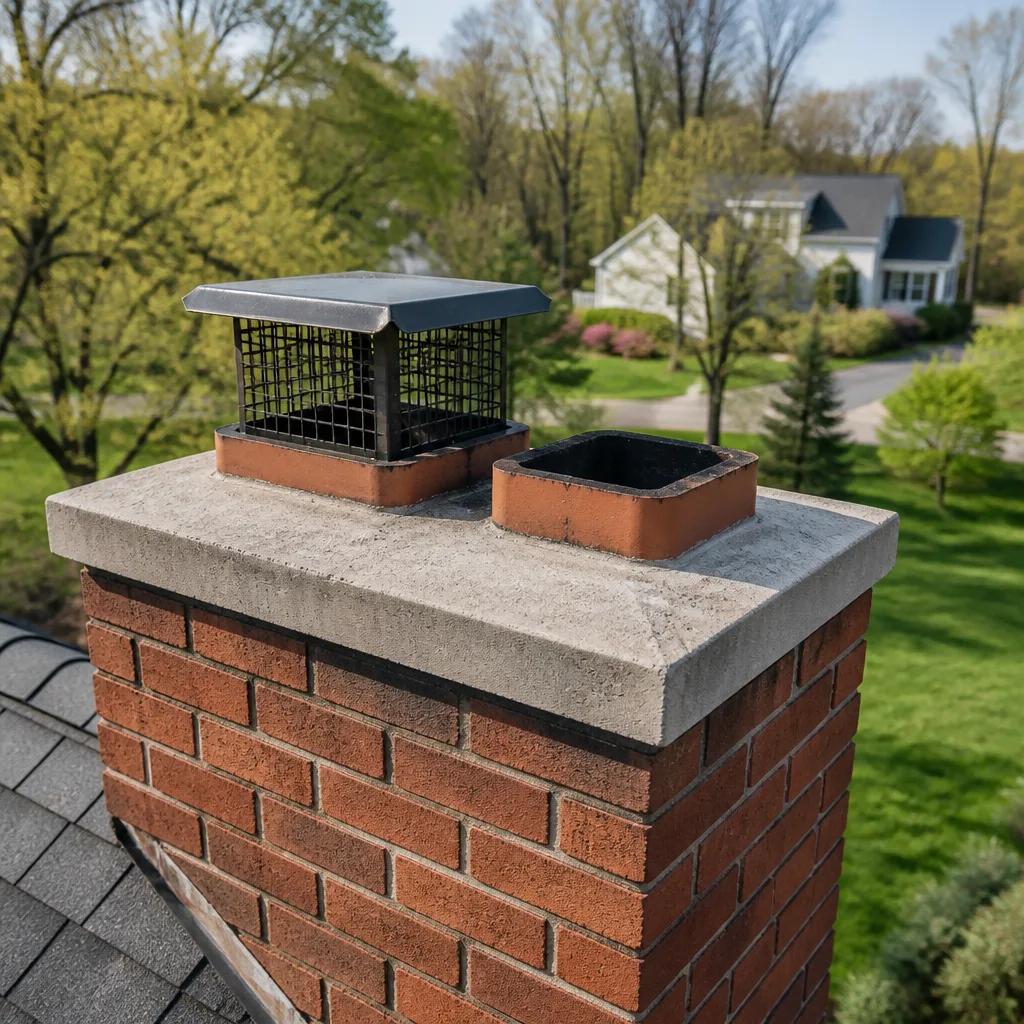
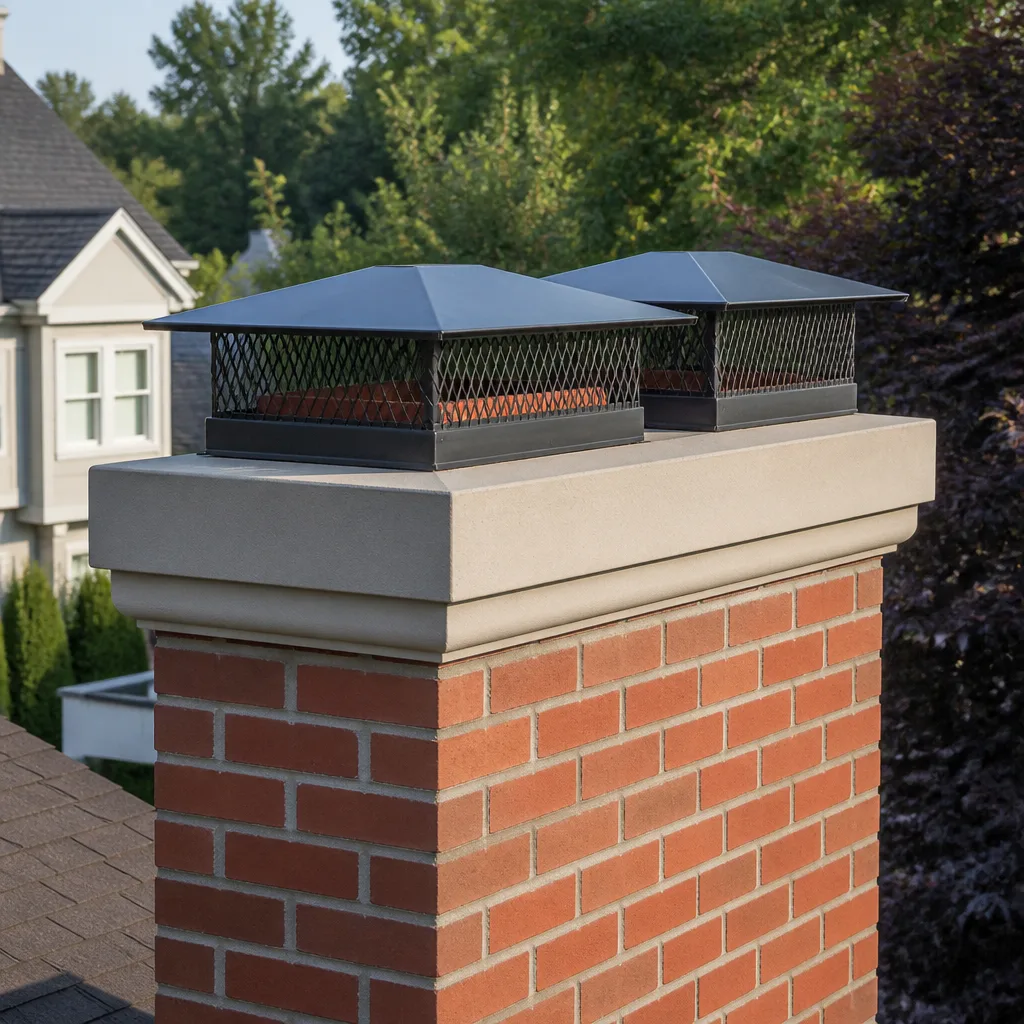
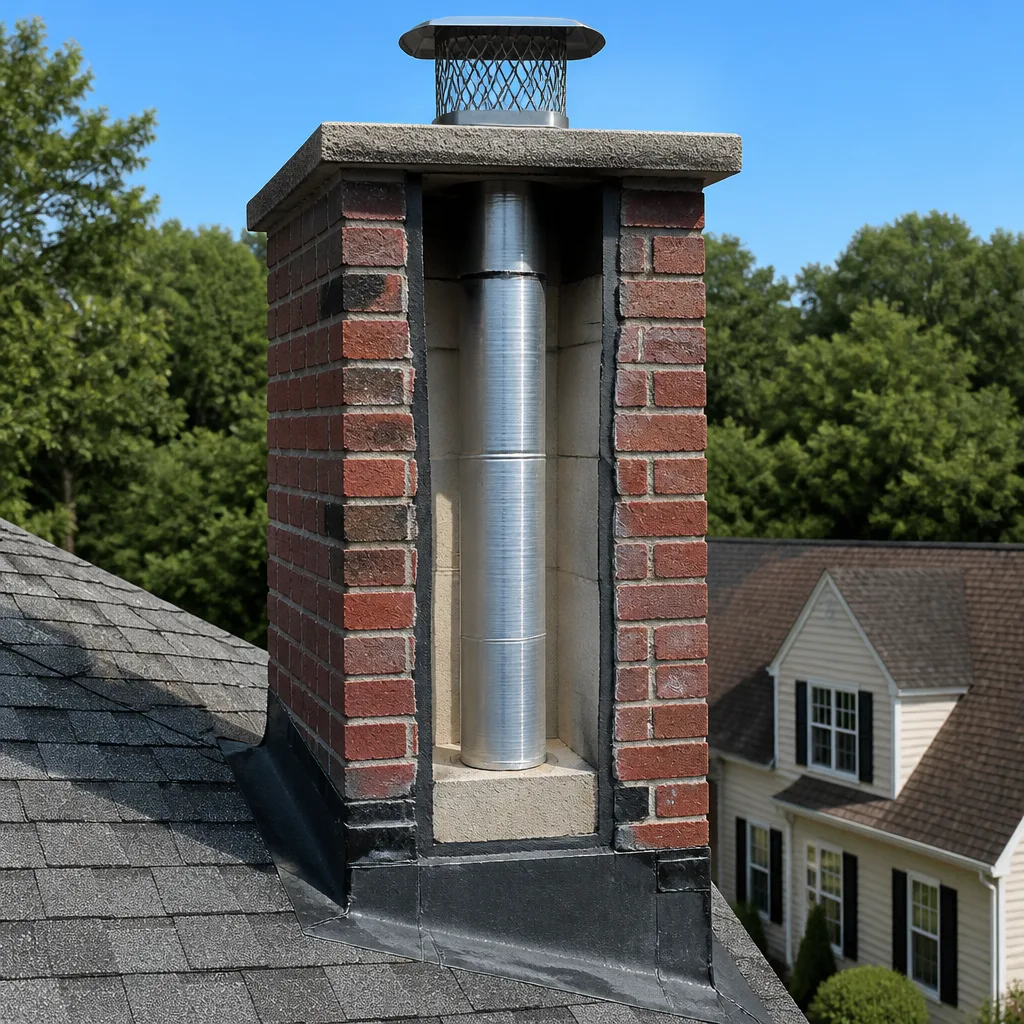
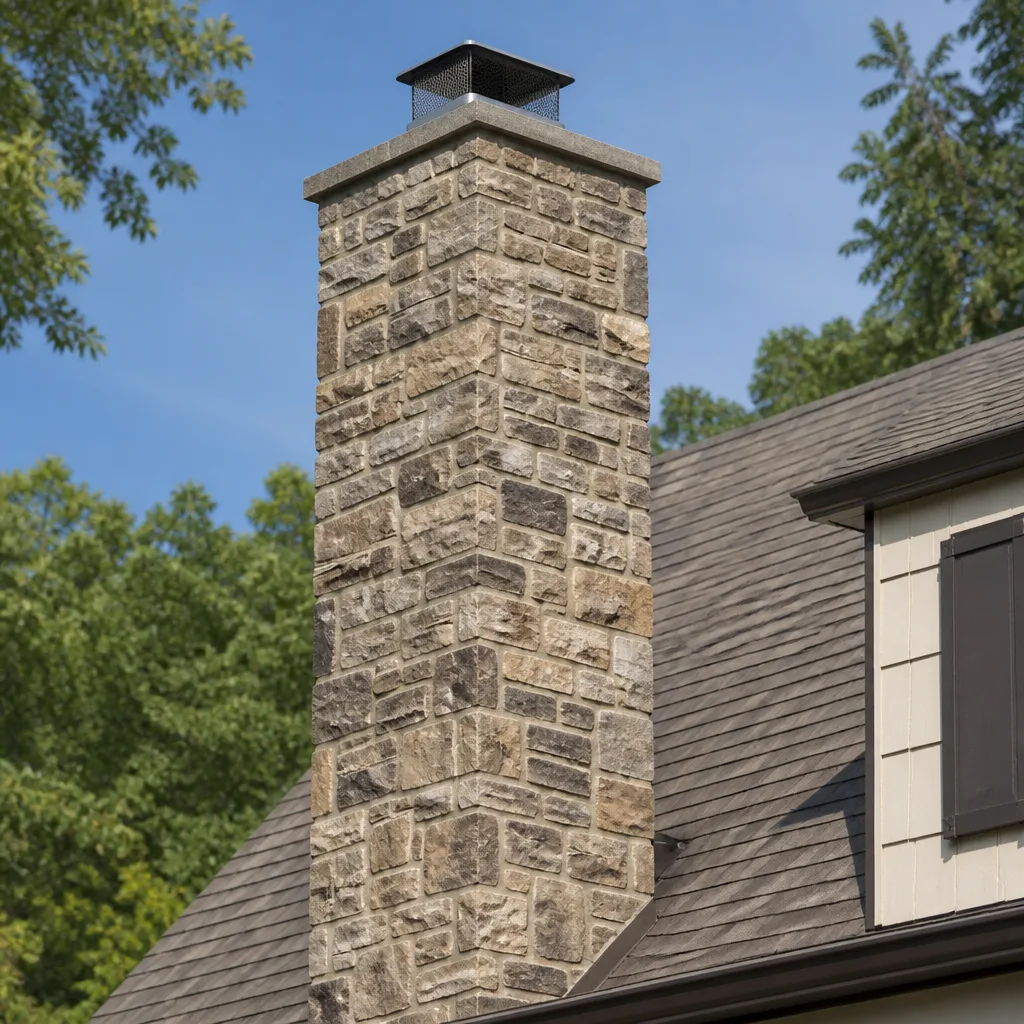
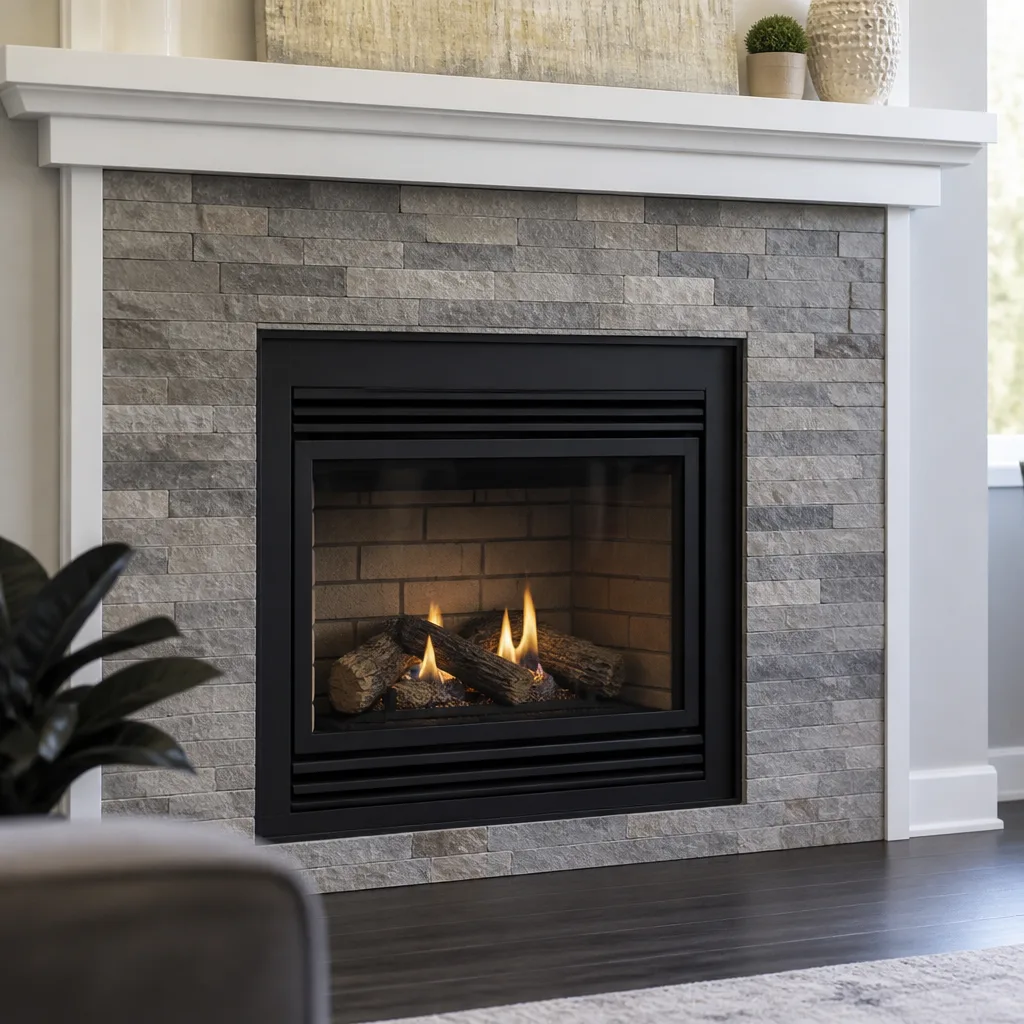
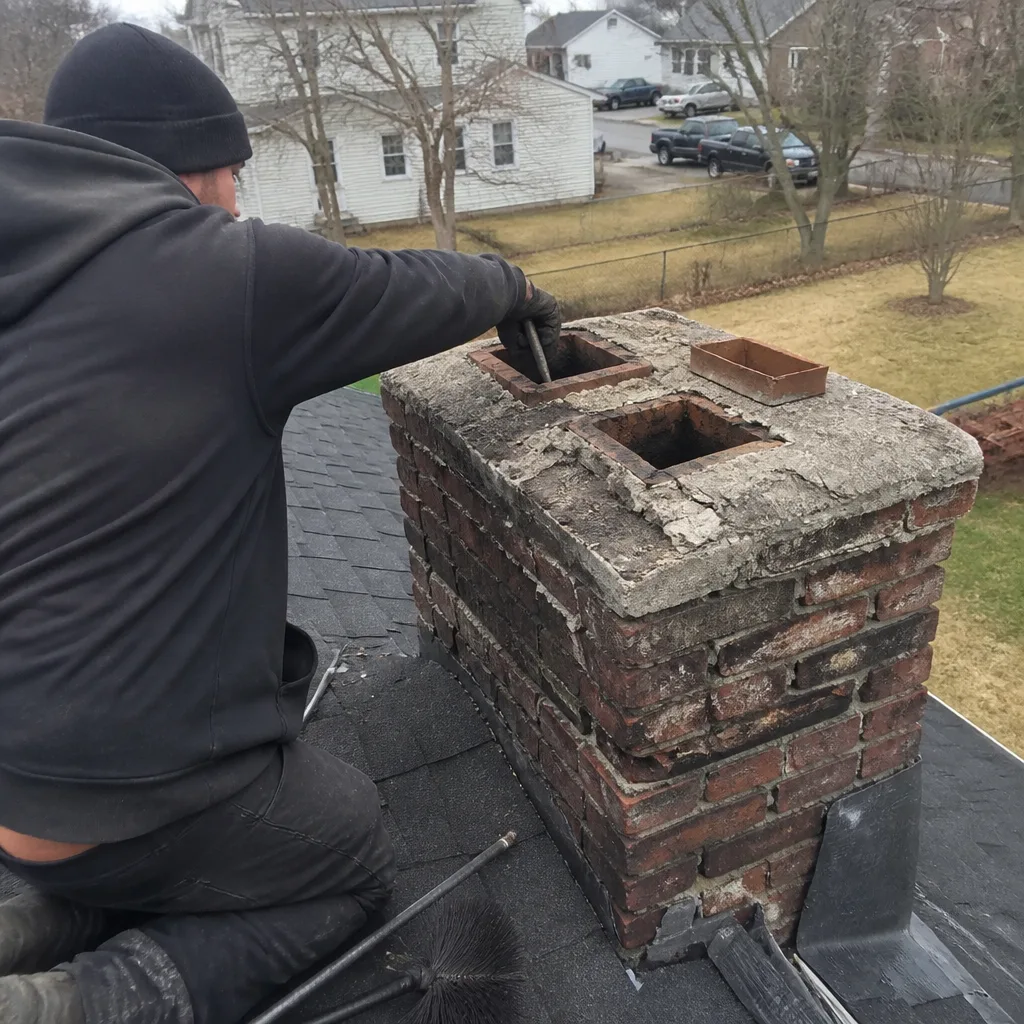 Before
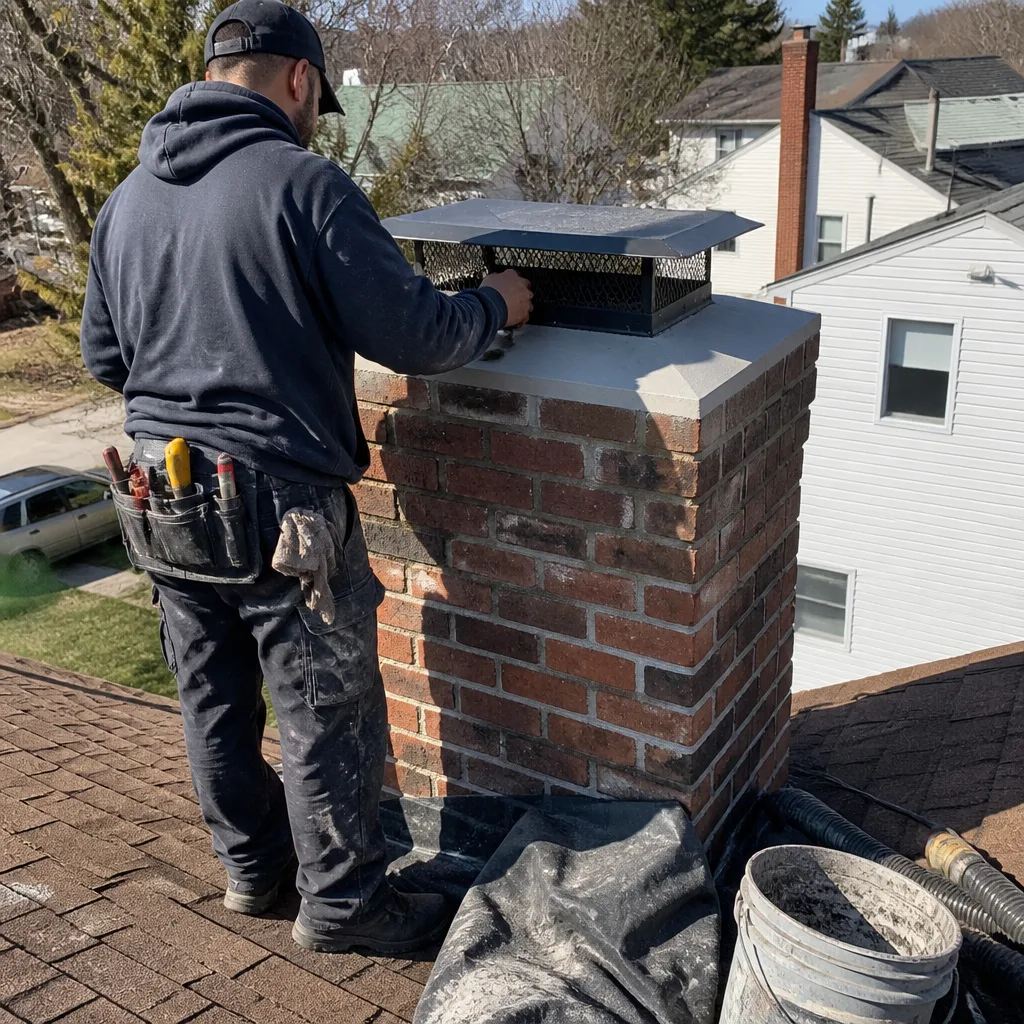 After
After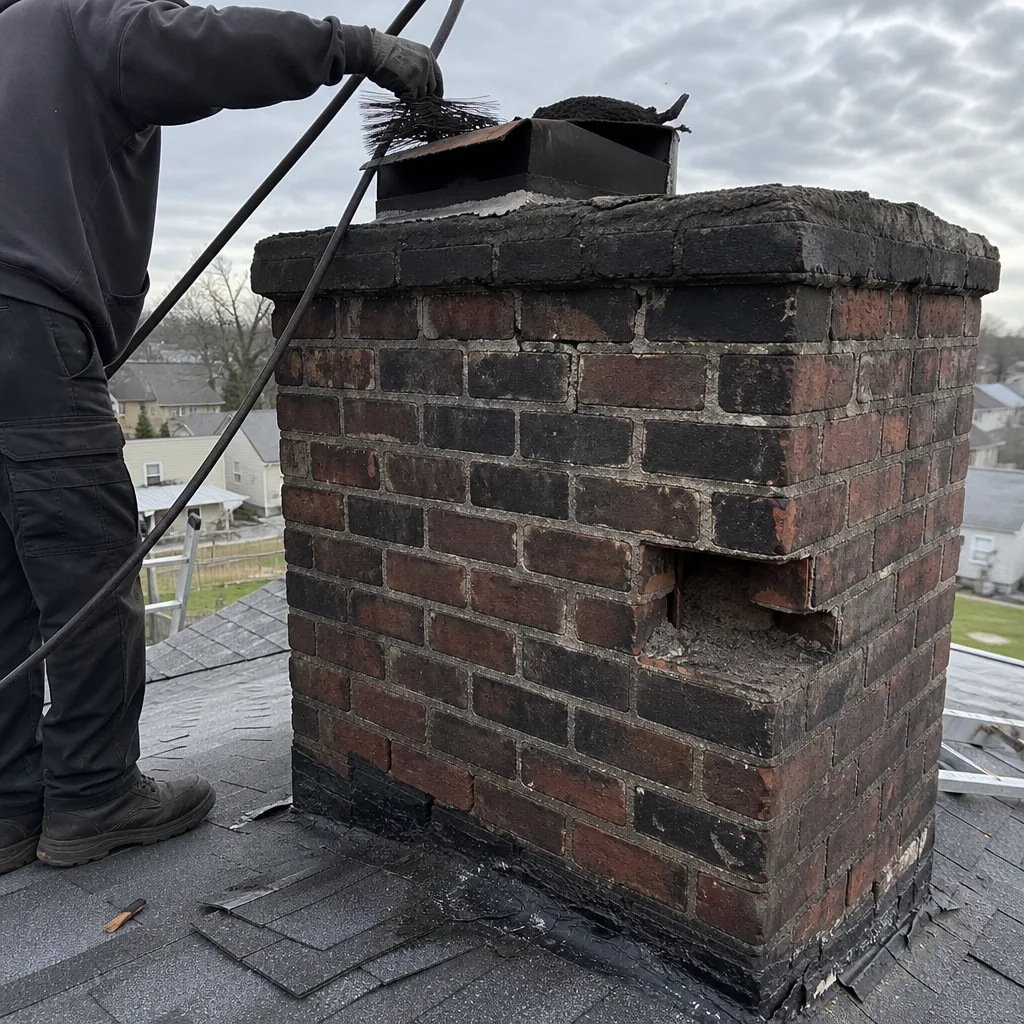 Before
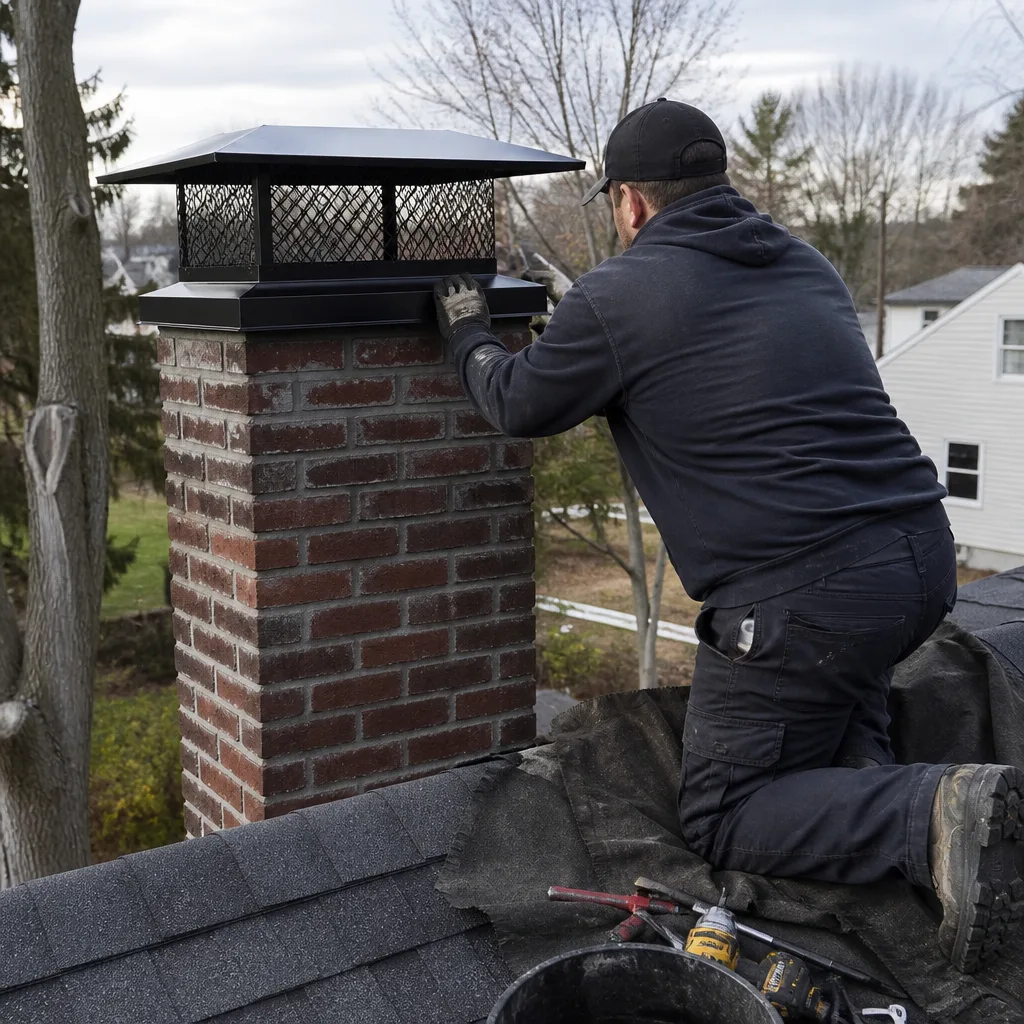 After
After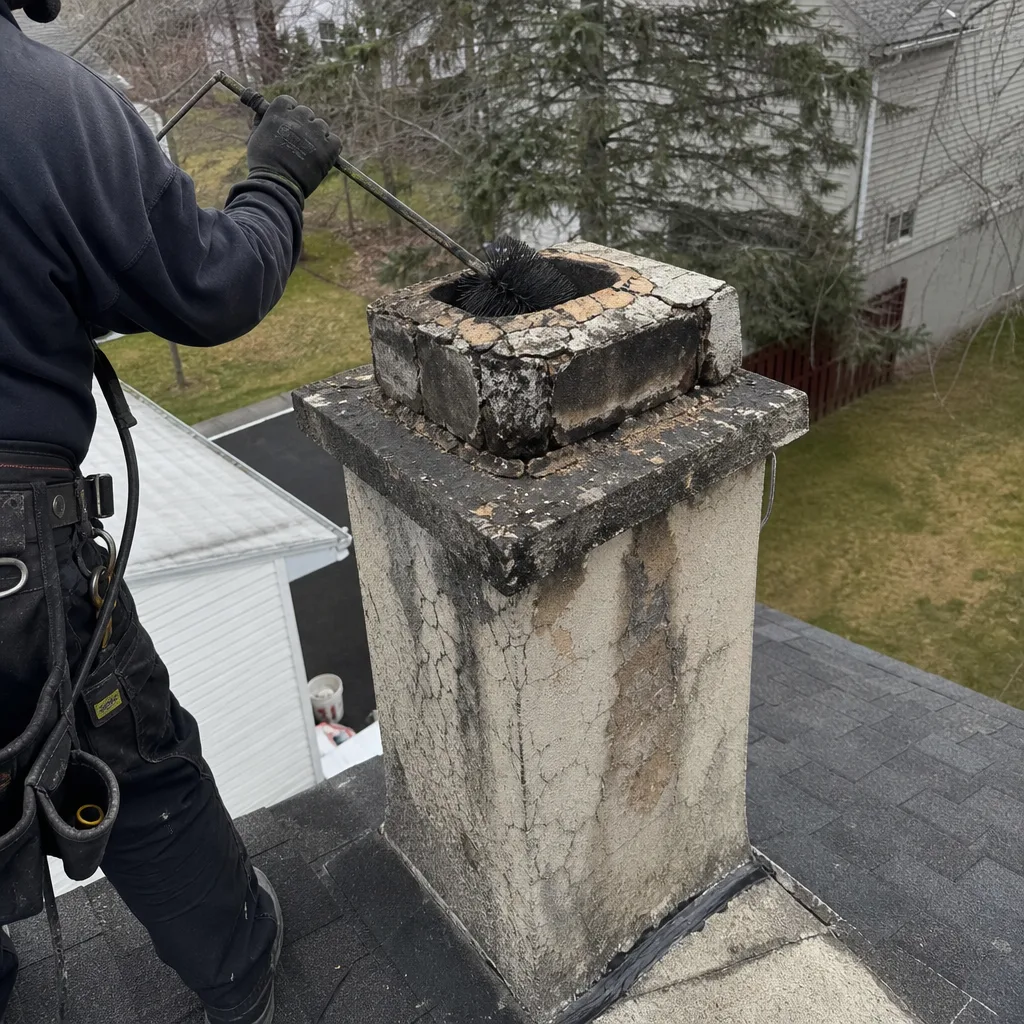 Before
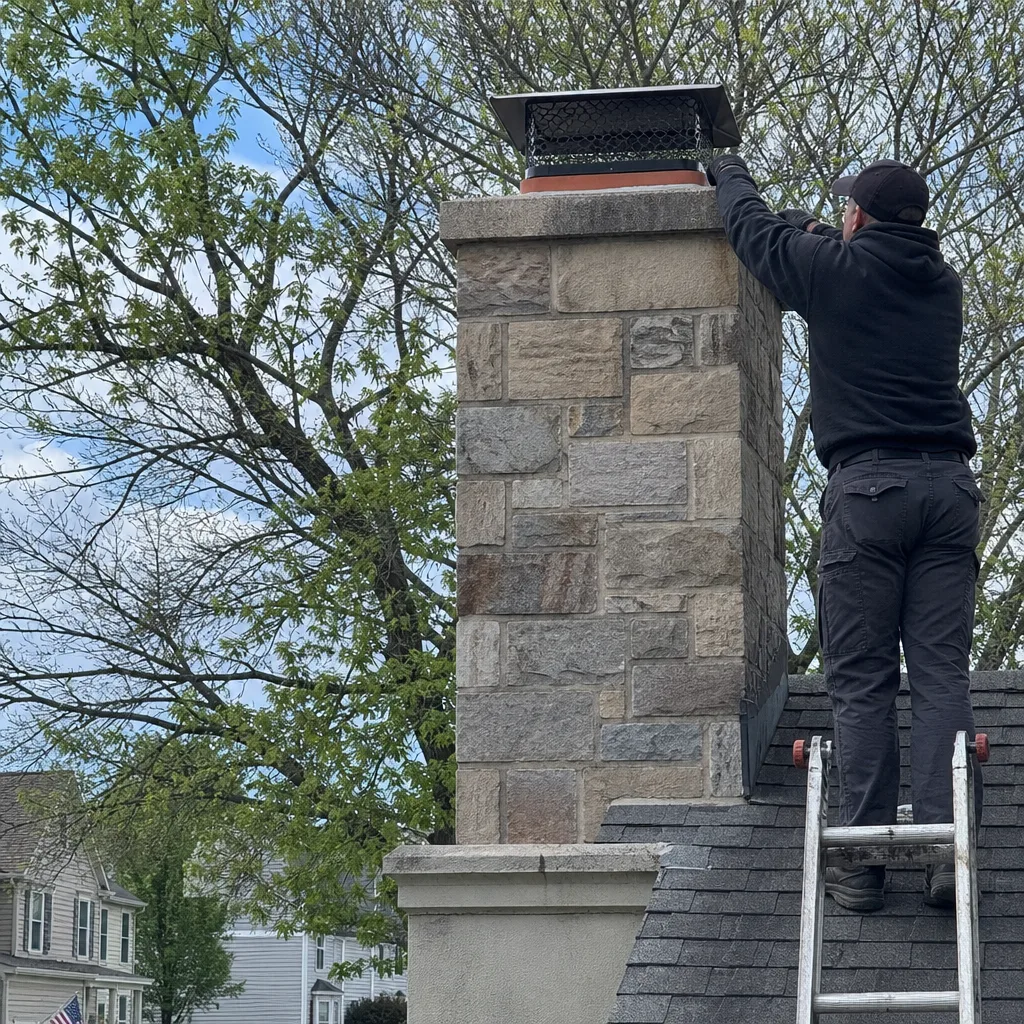 After
AfterHeatShield Chimney Repair in Trenton: What to Know First
We provide independent HeatShield chimney repair in Trenton, and most jobs are completed in a single visit with upfront pricing agreed before we start. As an independent HeatShield service provider, we are not affiliated with or authorized by HeatShield, but we stock the parts and know the product lines well enough to fix them right. Typical turnaround from call to completion is three to five business days during sweep season, faster if the flue is out of service. We’re plain about costs: the number on the estimate is the number on the invoice. If you own a HeatShield liner, crown coat, or refractory product and suspect damage, call us at (856) 519-0832 for a free estimate with camera inspection included.
How HeatShield Products Fail - and How We Fix Them
- Cerfractory Flue Liner (CFL) series: thermal shock cracking. The CFL’s proprietary cerfractory blend handles high heat well, but we’ve seen repeated thermal shock cracks in Trenton homes where owners burn primarily overnight loads in cold-start conditions. The liner contracts rapidly when the fire dies, and hairline fractures open at the seam joints. We camera-map every crack, then apply HeatShield’s factory-matched resurfacing mix or recommend partial relining with DuraFlex if the damage runs the full course.
- HeatShield CrownCoat: UV degradation and ponding failure. CrownCoat is a flexible crown repair compound, but the acrylic binder breaks down faster on south-facing Trenton chimneys that catch afternoon sun across the Delaware Valley. Once the surface chalks, water ponds behind it instead of shedding. We strip the failed coat to bare masonry, re-profile the crown pitch for positive drainage, then reapply only after the substrate is properly damp-cured. A CrownCoat job done over wet concrete fails twice as fast.
- HeatShield Joint Repair: missed back-joints and hidden gaps. The Joint Repair system seals flue tile gaps with a specialized slurry, but the application requires full circumferential access. In older Trenton rowhouses with offset flues or tight thimble connections, previous installers sometimes bridge only the visible face, leaving the back joint open. Our Level-2 inspection catches this with a camera rotated 360 degrees at every course. We re-open and re-do incomplete joints rather than coat over them.
- HeatShield Thermocrete: spalling and bond loss on saturated masonry. Thermocrete spray refractory works when the substrate is sound, but we’ve pulled it off damp chimney shoulders in Trenton’s Chambersburg neighborhood where gutter leaks went unaddressed. The product needs a moisture content below 15 percent at application. We run a moisture meter, fix the water source first, then reapply with the factory-specified bonding agent. Skipping this step is why some Thermocrete jobs delaminate within two seasons.
- HeatShield Flue Resurfacing: improper thickness and slumping. The resurfacing slurry must be applied at ¼ to ⅜ inch and mechanically smoothed. In a 2019 job on a colonial near Cadwalader Park, we found slurry pooled at the flue bottom, thin at the shoulder, because the installer rushed the spin-cast. We remove the irregular coat, re-abrade the surface, and re-apply to uniform depth with a proper spin-cast rig. Thickness matters: too thin, it cracks; too thick, it slumps and blocks draft.
Our HeatShield Chimney Repair Process
- 1
Call and schedule. A live person answers, 24 hours a day. We book a two-hour arrival window and send a confirmation.
- 2
Level-2 camera inspection. Our technician runs a full-color camera the full flue length, rotating at every joint and transition. You see the footage in real time. We document cracks, gaps, coating failures, or moisture intrusion with photos you can keep.
- 3
Plain-English verdict and upfront pricing. Russell Haines or a senior tech explains what failed, why it failed, and the exact fix. We quote the job before any work begins. The estimate is the invoice.
- 4
Parts decision: OEM HeatShield or quality alternative. For resurfacing and joint repair, we use factory-specified HeatShield materials. For liner replacement, we may recommend DuraFlex or Gelco if the flue configuration or budget warrants it. We never substitute builder-grade products.
- 5
Repair and live testing. The technician completes the work, cleans the work area, and runs a final camera pass or smoke test to verify draft and seal integrity.
- 6
Written guarantee and cleanup. You receive the 90-Day Done Right Promise in writing, photos of the completed repair, and a clean hearth. Most jobs finish in one visit.
What HeatShield Chimney Repair Costs in Trenton
| Repair Type | Typical Range in Trenton | What Moves the Price |
|---|---|---|
| HeatShield Joint Repair (partial flue) | $850 - $1,400 | Number of joints, flue access, height of chimney |
| HeatShield Flue Resurfacing | $1,200 - $2,100 | Flue diameter, linear feet, degree of pre-cleaning needed |
| CrownCoat Removal and Reapplication | $650 - $1,100 | Crown size, masonry rebuild required underneath, accessibility |
| Thermocrete Repair / Reapplication | $1,500 - $2,800 | Moisture remediation needed, surface area, scaffolding |
| CFL Liner Crack Repair with Resurfacing | $1,800 - $3,200 | Crack extent, whether partial DuraFlex relining is cleaner |
These are real ranges for the Trenton market, based on labor rates, permit requirements, and the masonry conditions we see in local housing stock. We do not quote by phone without seeing the chimney. Call (856) 519-0832 for a free estimate - camera inspection included, no obligation.
Why Trenton Homeowners Call Hearthstone Chimney Co. for HeatShield Work
We’ve been answering the phone with a live person for over 42 years, and we plan to be here thirty more. That changes how you treat a customer. Our 90-Day Done Right Promise is in writing, no arguing: if it’s not right, we come back. Our technicians are background-checked, uniformed, and trained on HeatShield’s specific application requirements - not general chimney repair adapted to fit. When a HeatShield product is beyond repair, we have professional-grade alternatives from DuraFlex and Gelco that we know perform well in Trenton’s freeze-thaw climate. Photos you can see, a plain-English verdict, a square deal on the bill. If the chimney’s not right, the fire’s not safe. That’s the whole job.
FAQs
Using an independent service provider does not automatically void a HeatShield warranty, but coverage depends on whether the original installation was registered and whether the repair follows factory specifications. We document our work with photos and material batch records so any warranty claim has support. Call (856) 519-0832 and we can review your installation paperwork.
A properly applied HeatShield joint repair or resurfacing typically lasts 15 to 20 years with annual inspection and correct burning practices. In Trenton, the bigger threat to longevity is water intrusion from failed crowns or flashing, not the product itself. We address the water source as part of the repair so the fix outlasts the guarantee.
We stock common HeatShield resurfacing and joint repair materials, and most specialty orders arrive within three business days. For urgent situations, we can often install a temporary DuraFlex or Gelco solution while HeatShield materials are in transit. We’ll tell you honestly if waiting is safe or if interim protection is the better call.
Cracks under ⅛ inch wide and limited to one or two joints usually qualify for repair. Through-wall cracking, multiple spalled sections, or delamination over more than 30 percent of the surface generally means replacement is more cost-effective long-term. Our camera inspection shows you exactly where you stand, and we’ll recommend repair when it makes sense and replacement when it doesn’t. Call (856) 519-0832 for a free camera inspection.
An unsealed HeatShield joint or cracked liner allows combustion gases, including carbon monoxide, to leak into wall cavities or living spaces. It also lets creosote accumulate in gaps where it cannot be cleaned, increasing chimney fire risk. The hazard develops gradually, which is why a Level-2 inspection matters: it catches what a visual sweep misses. We do not pressure-sell, but we do flag what is genuinely unsafe. Call (856) 519-0832 and we’ll show you what we found.
Written by Russell Haines, Owner, Hearthstone Chimney Co. at Hearthstone Chimney Co., serving Trenton and nearby areas.