
Last updated September 10, 2026
Level 1 sweep and inspection to the NFPA 211 annual standard - flue, crown, cap, and flashing checked and photographed
Chimney sweep logs do not sweep chimneys. They loosen some creosote - which then falls where a brush and vacuum still have to collect it.
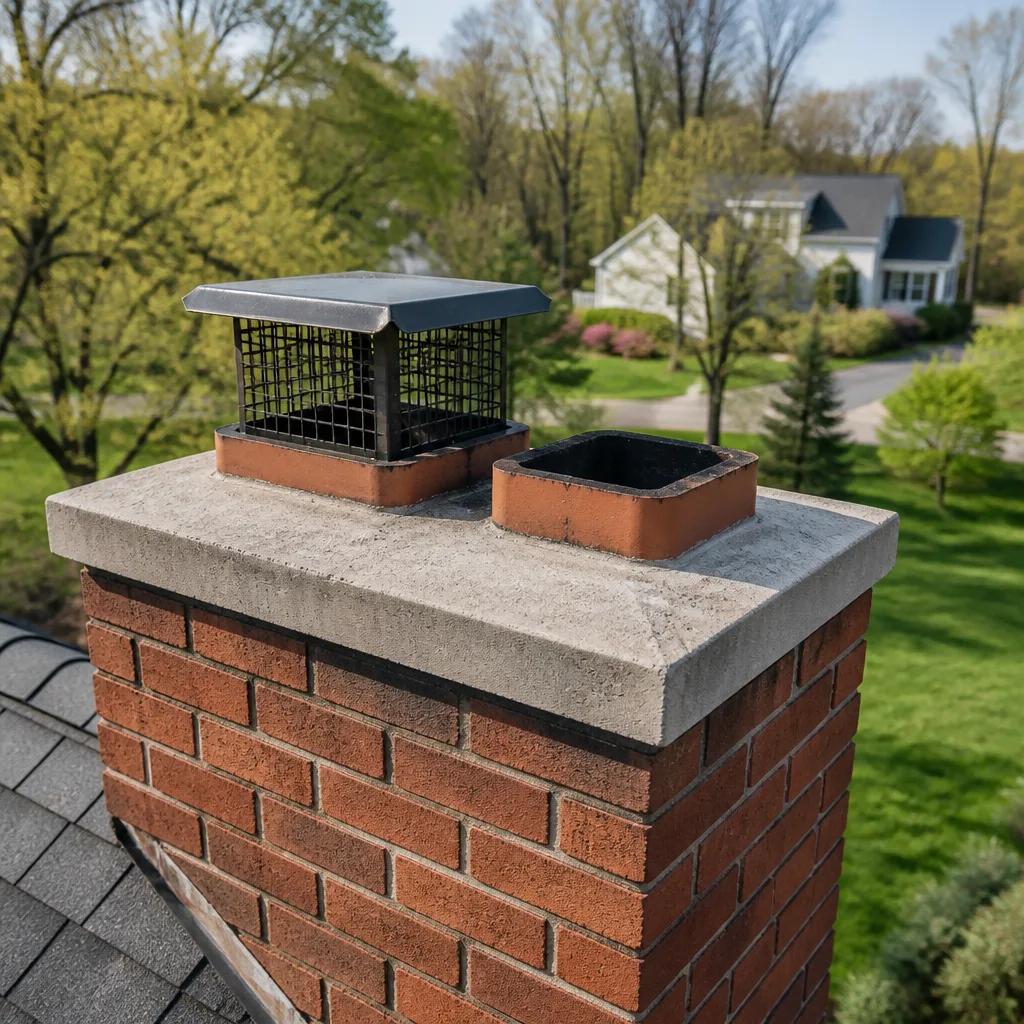
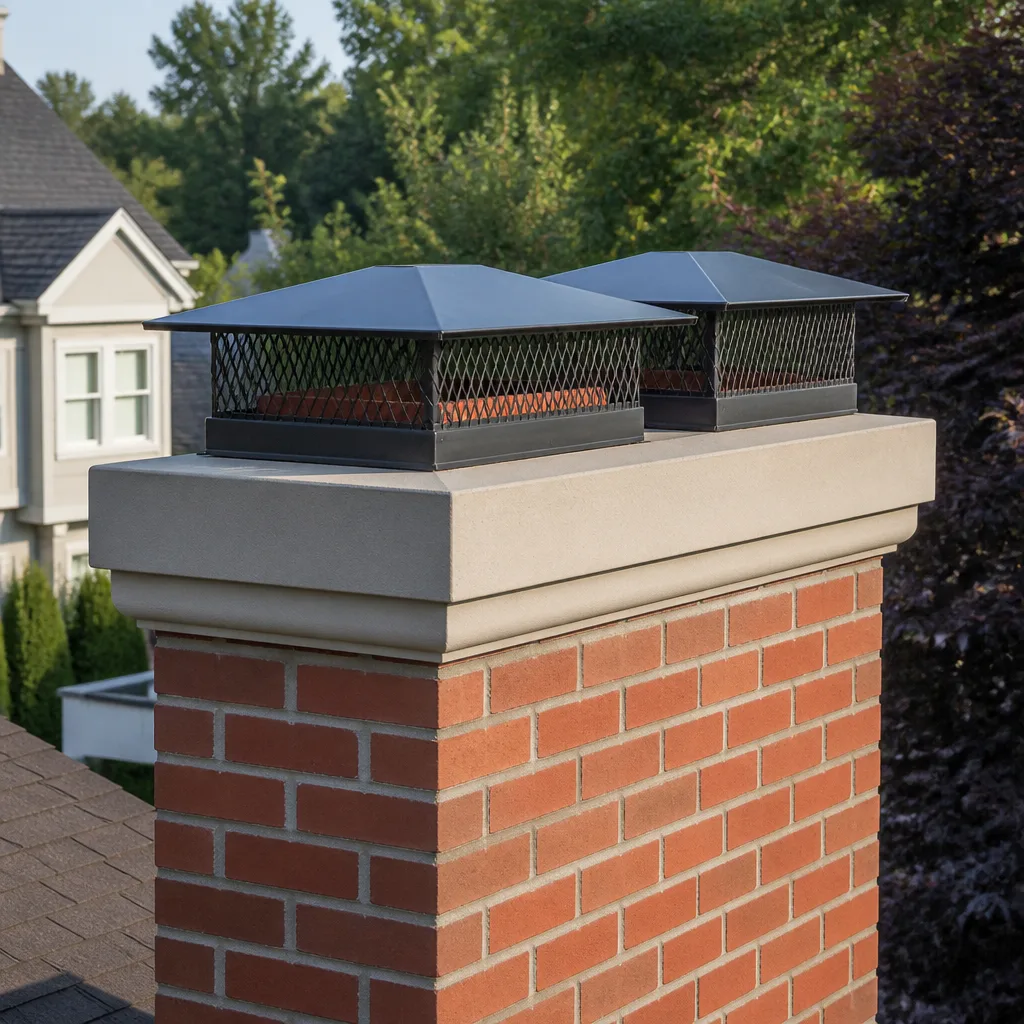
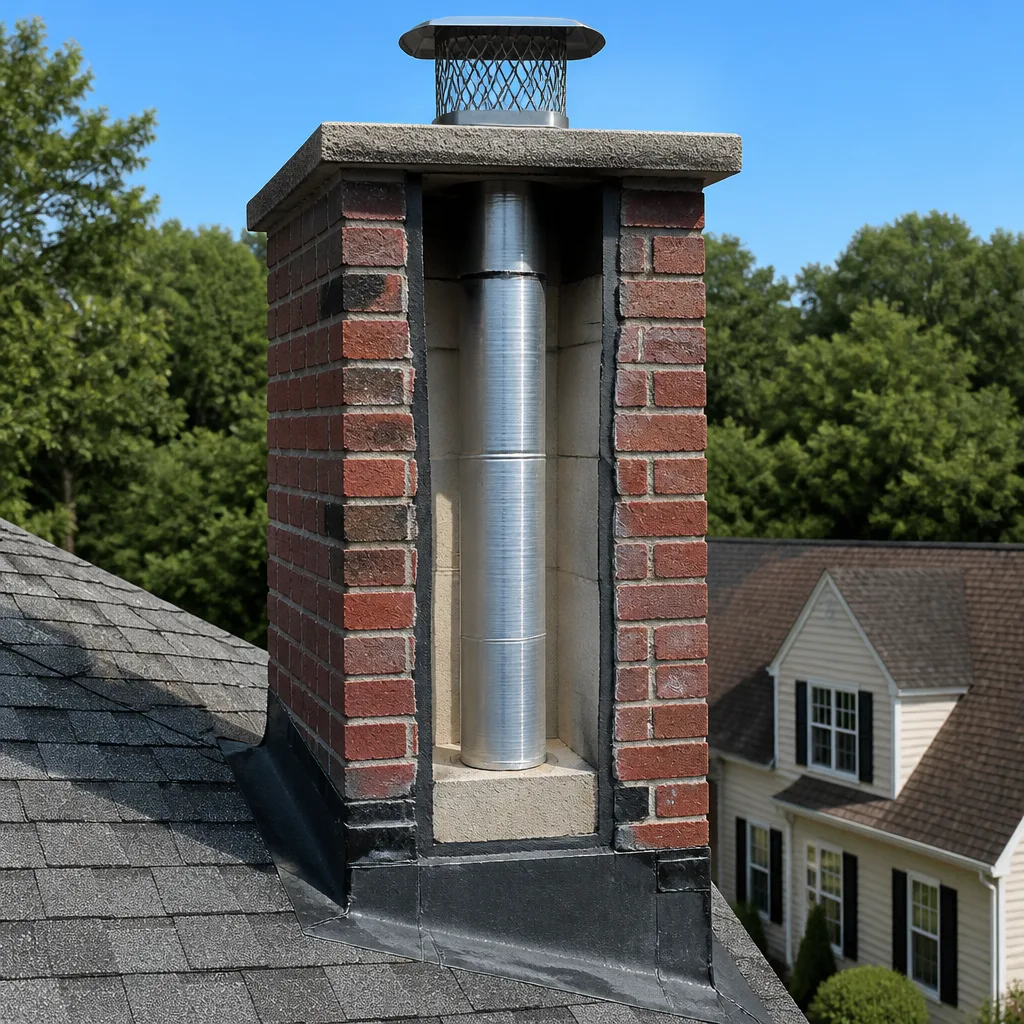
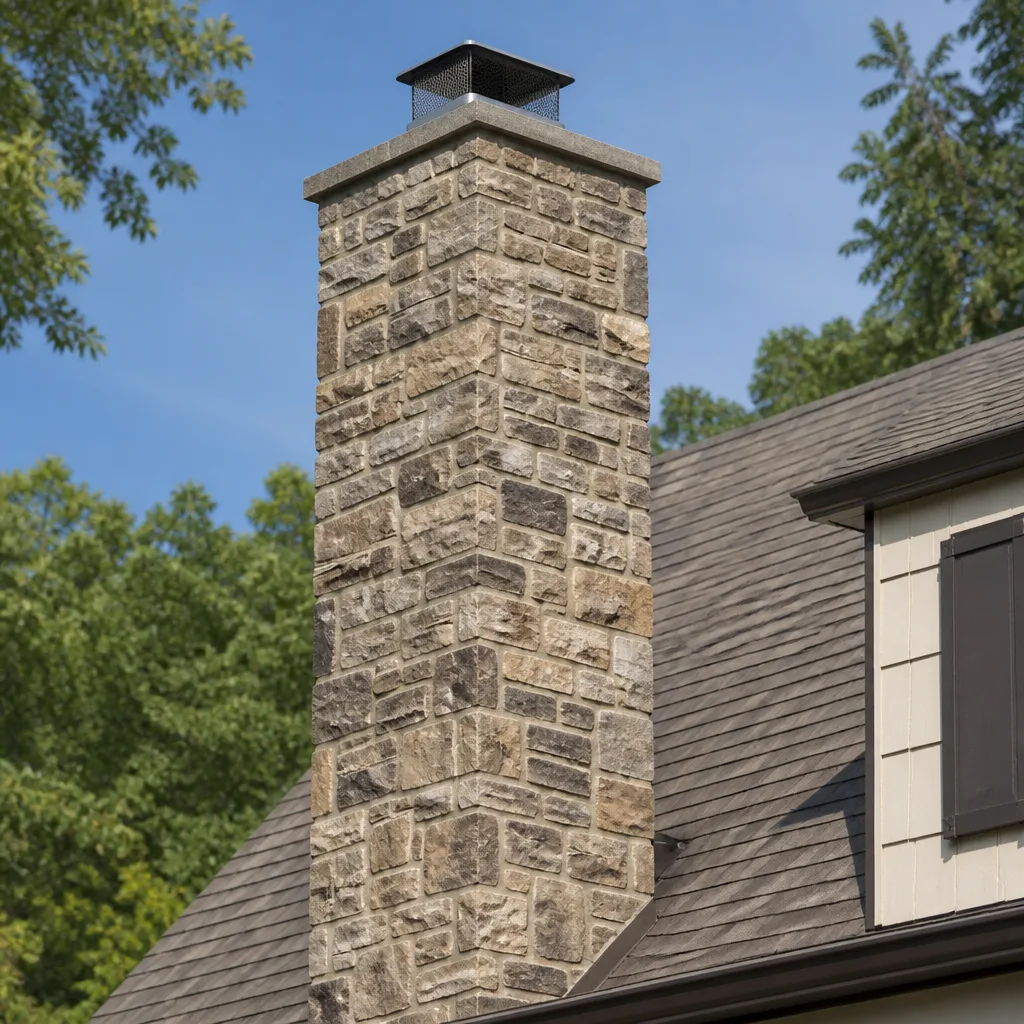
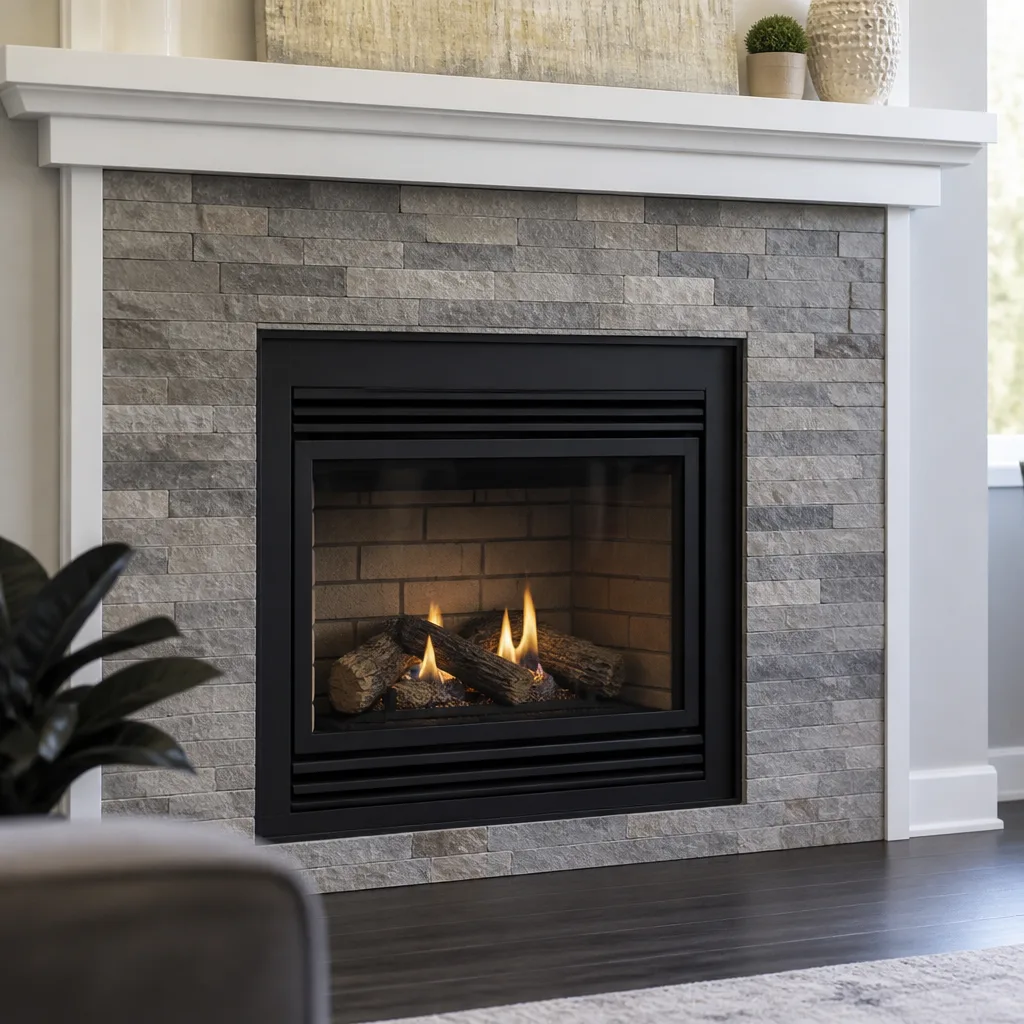
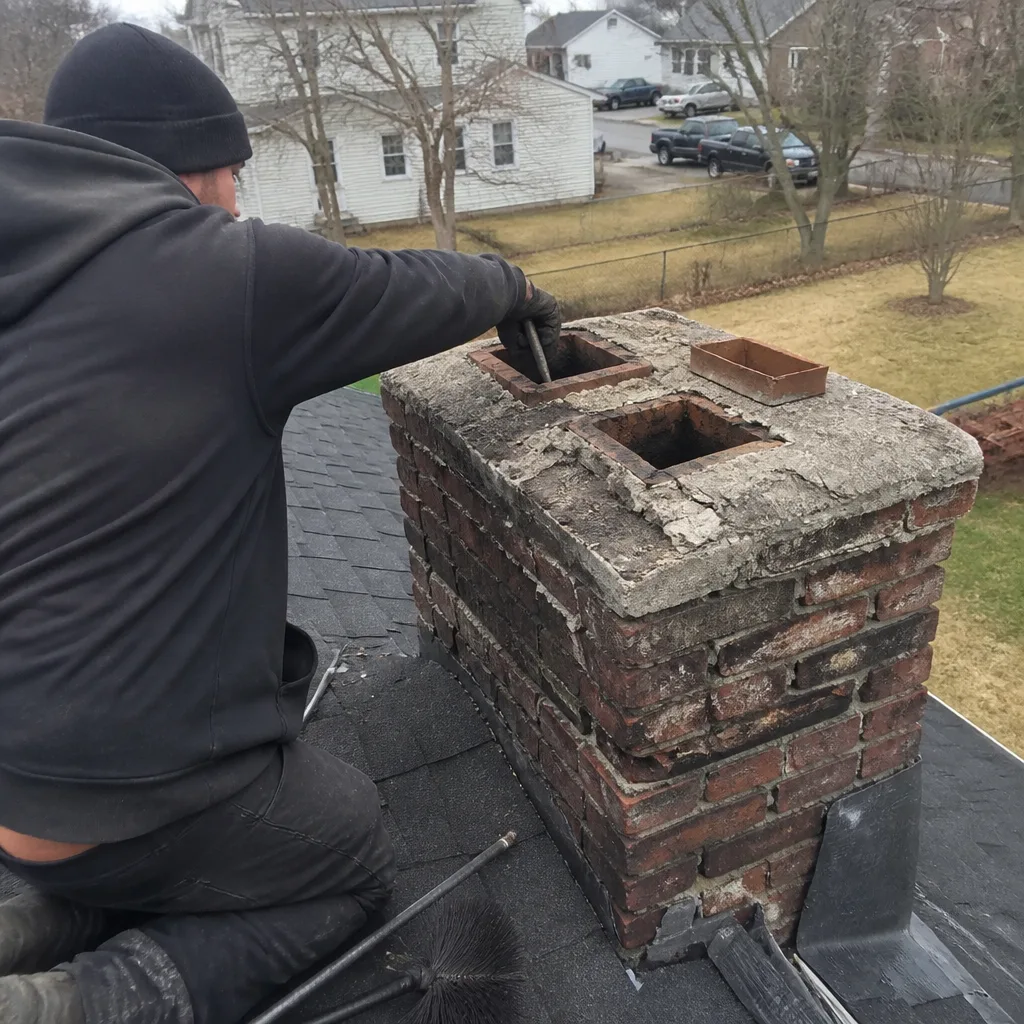 Before
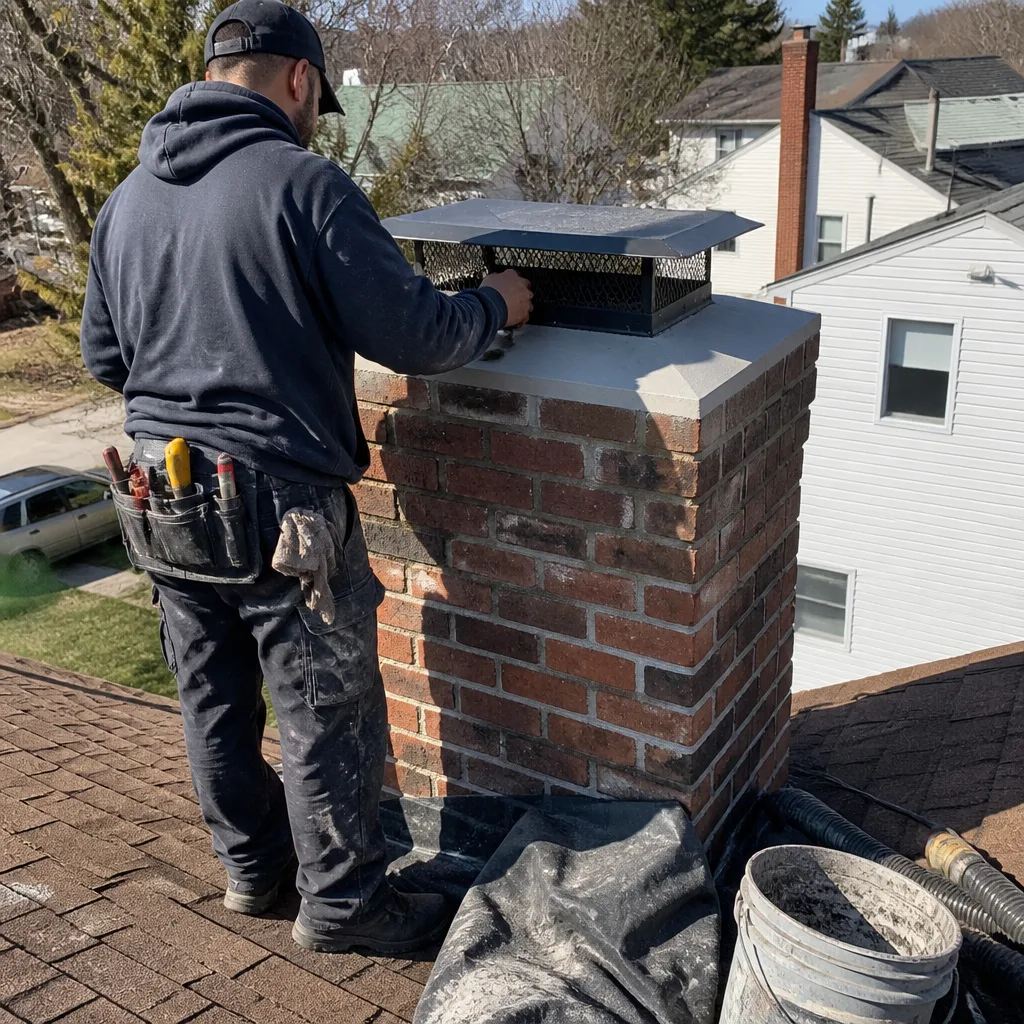 After
After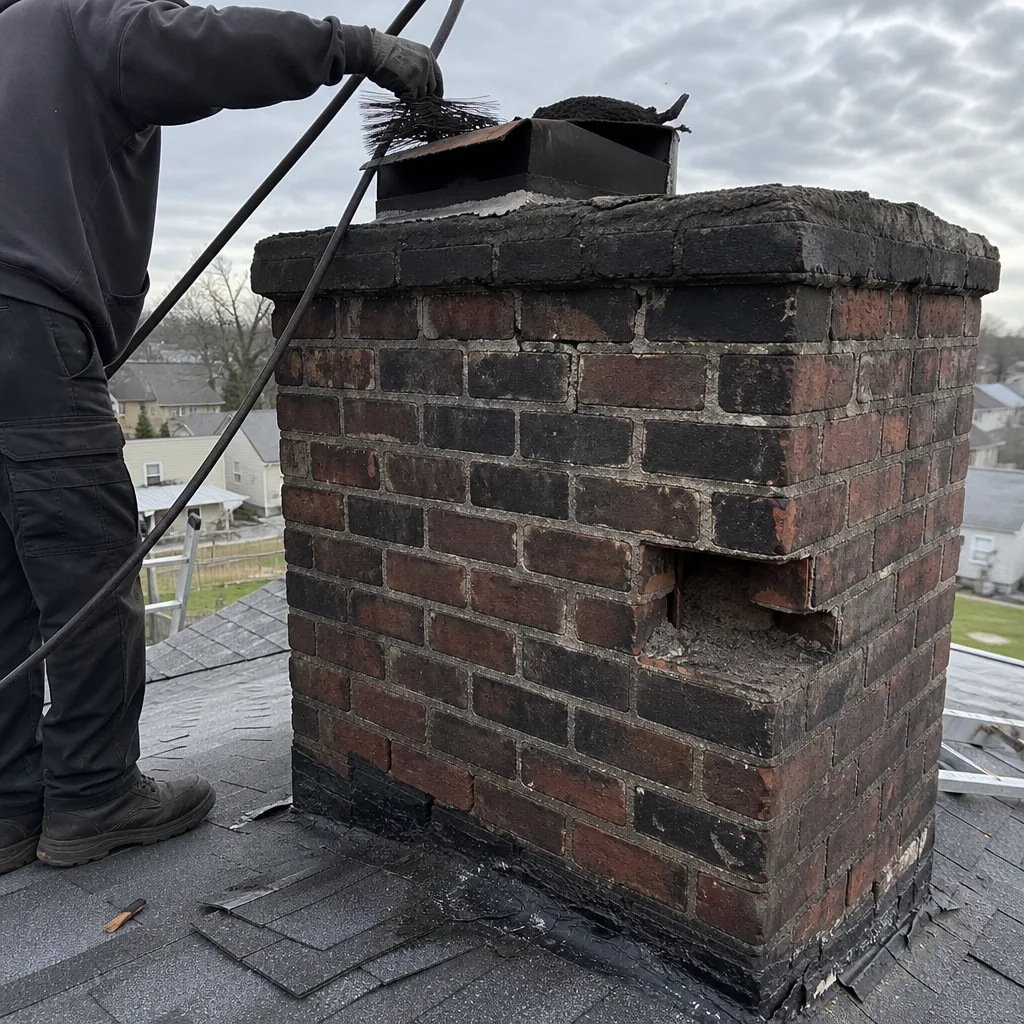 Before
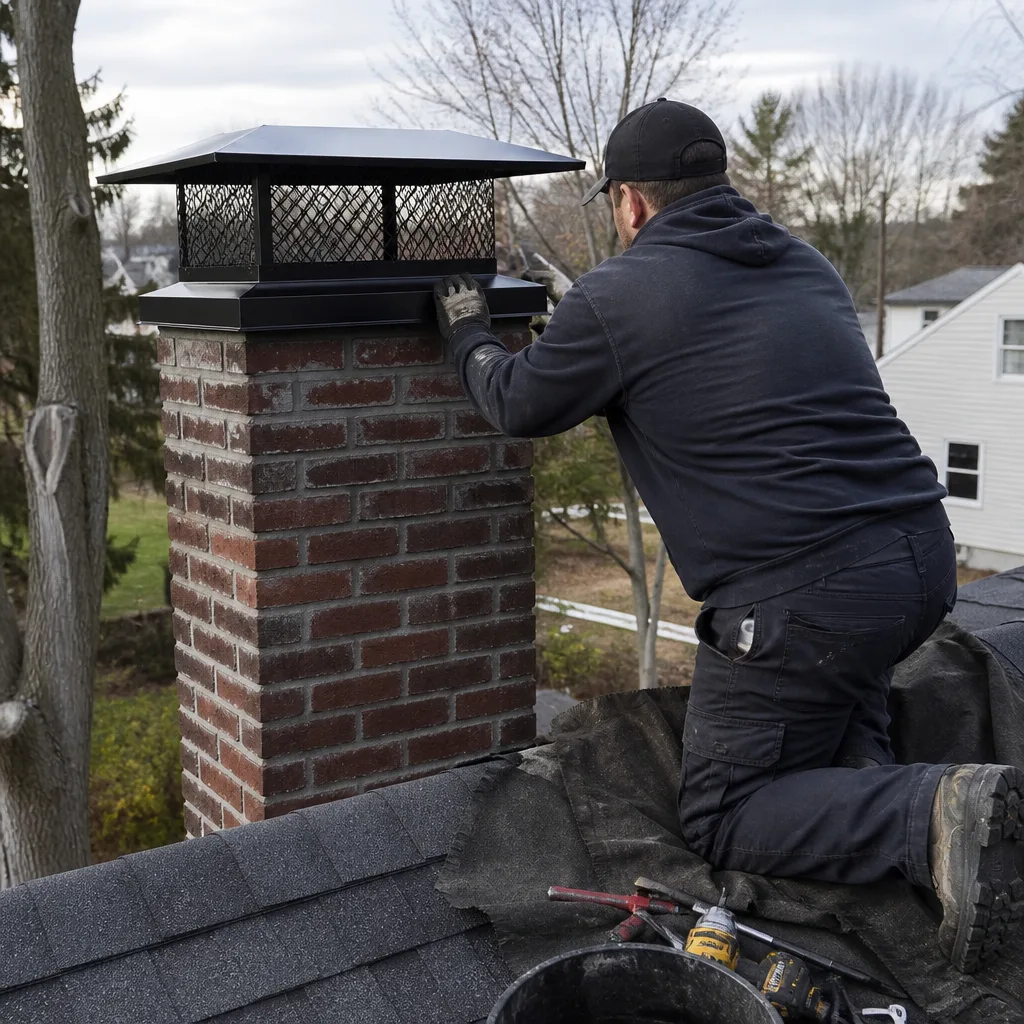 After
After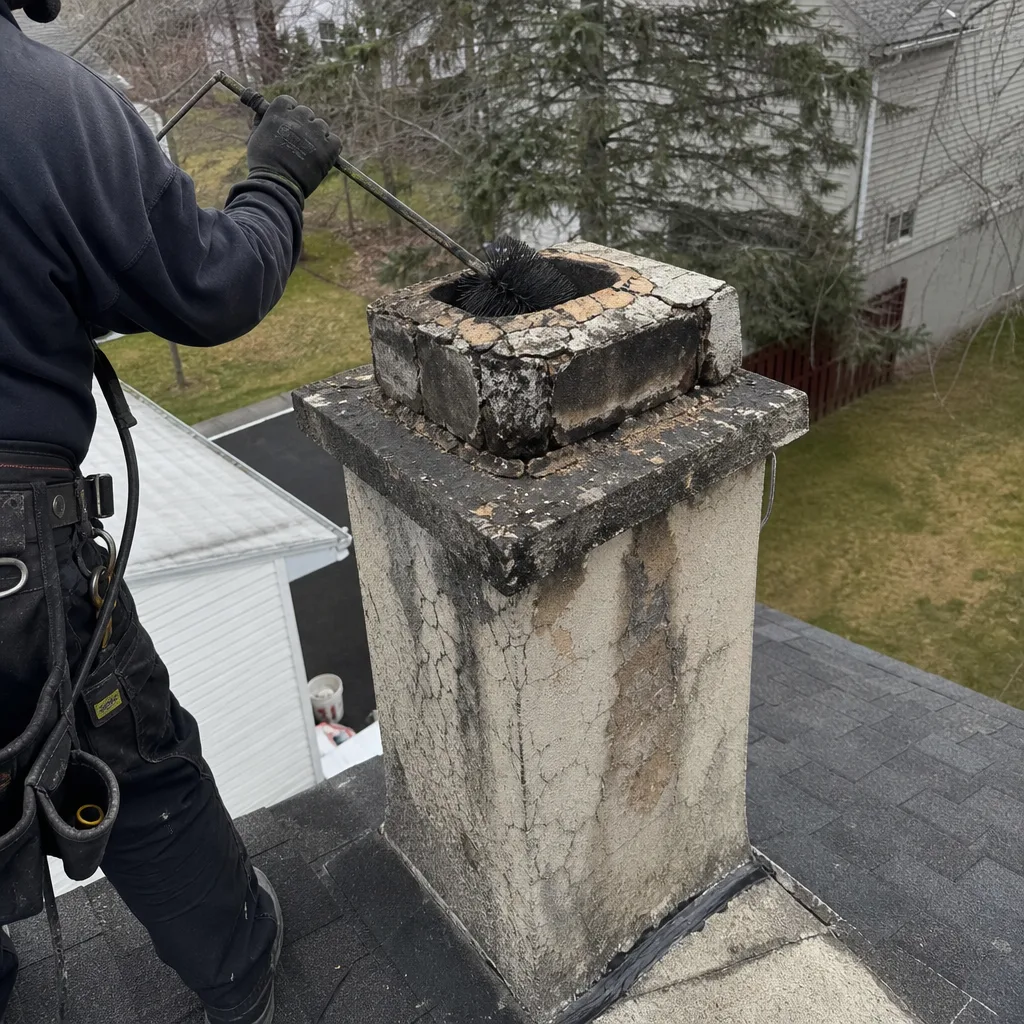 Before
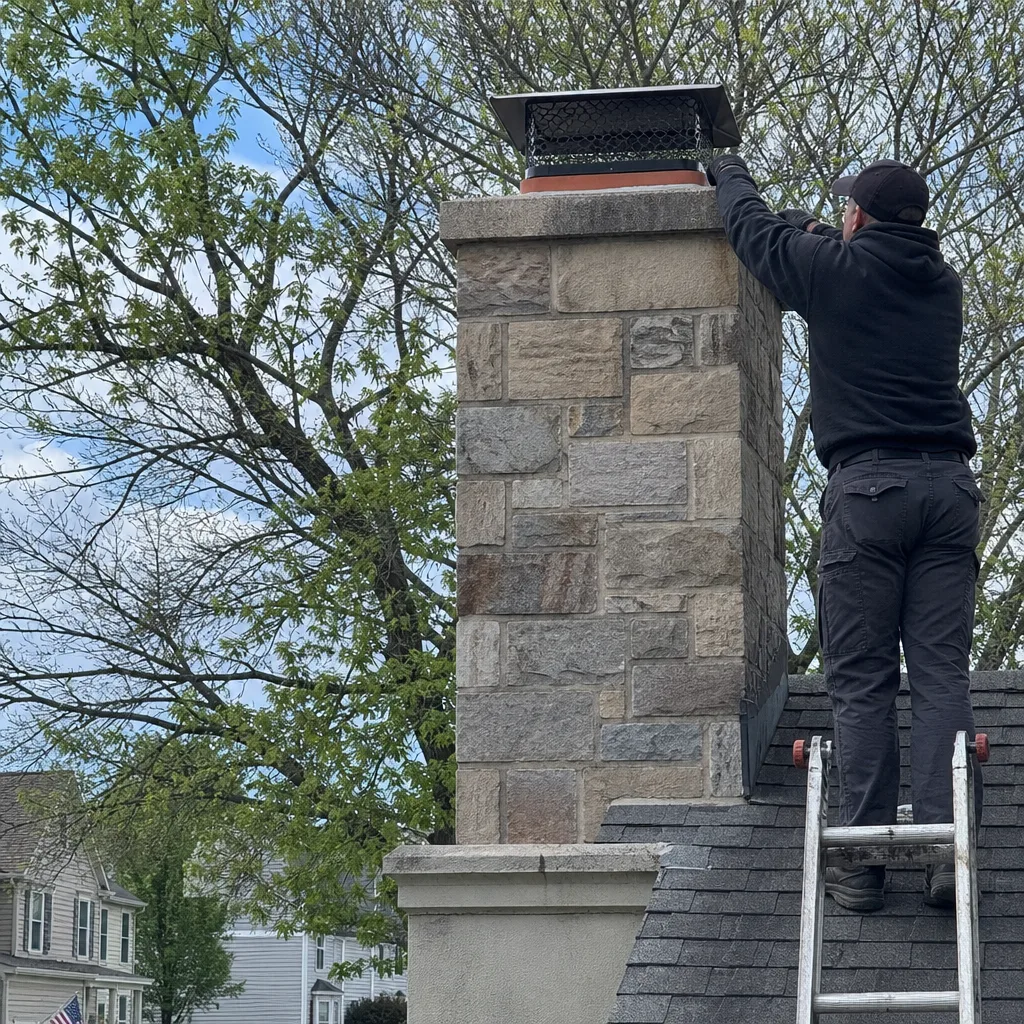 After
AfterDIY vs Professional Chimney Cleaning: The Trenton Homeowner’s Decision Guide
Hardware stores in Mercer County sell chimney brushes for thirty-five dollars, and a homeowner with a sturdy ladder can run one down a flue in an afternoon. The question those packages never answer is what happens when the brush passes through a cracked tile liner the owner cannot see, or when it glazes over stage-two creosote instead of removing it. In Trenton, where rowhouse chimneys often date to the 1920s and two-story colonials in Hillcrest and Berkeley Square carry forty years of layered deposits, we’ve pulled brushes that homeowners wedged stuck, and we’ve documented fires that started in gaps a DIY cleaning left untouched. This guide explains what a homeowner can honestly accomplish alone, what conditions make that dangerous, and how to decide which path fits your specific chimney this year - or see our How to Hire a Chimney Cleaning Contractor in Trenton: A Step-by-Step Guide for help choosing professional service.
Quick Answer
DIY chimney brushing can maintain a recently serviced, single-story, visually accessible flue between professional visits, but it cannot inspect the liner, assess creosote stage, or satisfy insurance requirements in New Jersey. For most Trenton homes, especially those over two stories, with oil-burning appliances, or without a professional cleaning record in the past three years, the liability of missing a hidden defect exceeds the cost of hiring a certified sweep.
Table of Contents
- What DIY Chimney Cleaning Can Actually Accomplish
- Conditions That Make DIY Dangerous Rather Than Imperfect
- What You Physically Cannot See Without a Camera
- The New Jersey Insurance Coverage Gap Most Homeowners Miss
- Three Questions to Decide: DIY or Professional This Year
- Cost Comparison: Real Numbers for Trenton
- Common Mistakes to Avoid
- When to Call a Professional
- Frequently Asked Questions
What DIY Chimney Cleaning Can Actually Accomplish
There is a genuine case for DIY chimney brushing, and it deserves an honest hearing.
A homeowner with a metal or poly brush, extension rods, a shop vacuum with a HEPA filter, and proper personal protective equipment can remove loose soot and light, powdery creosote from a straight, unobstructed flue. This is not nothing. If your chimney was professionally cleaned last season, burns only seasoned hardwood, and you want to maintain the flue between scheduled sweeps, a careful DIY brushing can extend the interval without immediate risk.
The conditions where DIY makes sense are narrow and specific:
- Single-story structure with a readily accessible roofline or cleanout door
- Metal or intact clay tile liner with no known damage history
- Professional inspection and cleaning within the previous 12-18 months
- Dry, seasoned hardwood as the sole fuel (no pine, no construction scraps, no painted wood)
- No smoke spillage, no strong odors, no visible deterioration of mortar or brick
- Homeowner comfortable working on a ladder at height with both hands occupied
In these narrow circumstances, DIY brushing removes superficial buildup and gives the homeowner a sense of the flue’s condition. The brush resistance, the color of the debris, and any unusual odors provide limited but real information.
What DIY cannot do, even under ideal conditions, is assess the structural integrity of the system. The brush moves through the flue; it does not photograph the liner walls, measure creosote thickness, or evaluate the smoke chamber geometry. It cleans what it touches. What it misses, the homeowner will not know is missing.
We’ve serviced homes in Trenton’s Mill Hill neighborhood where the owner brushed faithfully every October, only to discover at our Level-2 inspection that a shifted flue tile had created a three-inch gap channeling exhaust into the wall cavity for six years. The brush had passed through the gap without resistance. The homeowner had no indication anything was wrong until we lowered our camera.
Conditions That Make DIY Dangerous Rather Than Imperfect
Certain chimney conditions transform DIY brushing from an imperfect maintenance shortcut into a genuine hazard. These are not edge cases in Trenton. They are common.
Two-Story and Taller Structures
The physics of working at height with rigid extension rods changes dramatically above one story. A two-story colonial in Lawrence Township or Hamilton Square requires either roof access with a brush extended overhead, or working from below with rods that buckle and bind in a thirty-foot flue. Neither is safe for an untrained homeowner. We’ve responded to calls where rods separated in the flue, leaving a brush lodged twenty feet up and the homeowner with a blocked chimney on the first cold night of November.
Chimneys Not Professionally Serviced in Over Three Years
Extended neglect changes the nature of the deposit. Light, powdery soot becomes flaky stage-two creosote, then glossy, tar-like stage-three glaze. Stage-three creosote cannot be brushed out. It requires chemical treatment or mechanical removal with specialized equipment. A homeowner who brushes glazed creosote believing they have cleaned the flue has merely polished the hazard. The chimney appears clean. It is not.
History of Smoke Problems or Strong Odors
Smoke spillage into the room, persistent smoky odors even when the fireplace is cold, or visible staining on interior walls indicate drafting problems that brushing will not solve. These symptoms point to liner damage, improper flue sizing, negative pressure from modern HVAC systems, or deterioration of the smoke chamber. Brushing a chimney with these symptoms is like changing the oil in an engine with a cracked block. The maintenance gesture is correct; the underlying problem is untouched and worsening.
Oil-Burning Appliances
Chimneys venting oil furnaces carry sulfur deposits that combine with moisture to form sulfuric acid. This degrades mortar and liner materials aggressively. The deposits are also finer and more penetrating than wood creosote, requiring different equipment and evaluation criteria. A homeowner brushing an oil-venting flue without understanding the corrosion patterns is working blind in a system that deteriorates faster than wood-burning equivalents.
Pre-1980 Construction in Trenton’s Older Neighborhoods
Homes in Chambersburg, Cadwalader Heights, and the North Ward often contain unlined brick chimneys or early clay tile liners that have endured sixty to a hundred freeze-thaw cycles. The mortar between tiles becomes friable. Tiles shift, crack, or spall. A brush passing through these liners can dislodge material, worsen cracks, or leave the homeowner with the false impression of a clean, intact system when the liner is actively failing.
What You Physically Cannot See Without a Camera
The most expensive chimney failures originate in places no brush can reach and no eye can see from the firebox or roof. A Level-2 camera inspection, which we perform on every chimney cleaning and sweep in Trenton, reveals three critical zones that DIY cleaning leaves completely unexamined.
The Liner Condition Above the Smoke Chamber
The smoke chamber is the inverted funnel above the firebox that channels smoke into the flue. Above it, the flue liner extends to the crown, often through offsets and transitions that follow the chimney’s exterior profile. Cracks, gaps, and deterioration in this section are invisible from below and unreachable from above without specialized equipment. We have found separated liner joints in Trenton homes where the owner had brushed annually for a decade, never knowing that exhaust was leaking into the chimney cavity and staining the bedroom ceiling on the floor below.
The Area Behind the Firebox Throat
The throat damper sits at the base of the smoke chamber. Behind and beside it, the firebox walls meet the chimney structure. This junction is a common point of heat-related cracking and mortar failure. Smoke and sparks can penetrate these gaps and ignite framing members. No brush examines this area. Only a camera lowered from above or a mirror and light source from below, operated by someone who knows what deterioration looks like, can evaluate it.
The Underside of the Crown
The concrete crown at the chimney top sheds water from the flue and chimney structure. Its underside, where it overhangs the top course of brick, is where water infiltration begins. Cracks in the crown surface allow water to penetrate, freeze, and spall the crown from below. This damage progresses until the crown fails completely, allowing water directly into the chimney structure. A homeowner on the roof can see the crown’s top surface. The underside, where the critical deterioration occurs, requires a camera or dedicated inspection from below.
These three zones are where we find the defects that lead to liner replacement, chimney rebuilds, and in the worst cases, house fires. A DIY brush never reaches them. A homeowner without camera equipment cannot see them. The chimney can be “clean” by every surface indication and actively dangerous in all three hidden zones.
The New Jersey Insurance Coverage Gap Most Homeowners Miss
This is the liability reframing that changes the DIY calculation entirely.
New Jersey homeowners insurance policies contain standard language requiring “reasonable maintenance” and “due care” for known hazards. A chimney fire originating in a flue that the homeowner cleaned themselves, without professional inspection documentation, places the burden of proof on the homeowner to demonstrate that the maintenance was adequate. This is a burden most homeowners cannot meet.
Insurance adjusters we have spoken with in Mercer County confirm a consistent pattern. When a chimney fire claim is filed, the adjuster requests:
- Records of professional chimney inspection and cleaning within the interval recommended by the Chimney Safety Institute of America (annually for wood-burning, per manufacturer specification for other fuels)
- Documentation of any repairs or modifications to the chimney system
- Evidence that the fire originated from a defect not attributable to maintenance neglect
A homeowner with no professional inspection record, who performed their own brushing, faces an uphill argument. The insurer may deny the claim, reduce the payout, or subrogate against the homeowner for negligence. The coverage gap is not theoretical. We have been called to document chimney conditions after fires where the homeowner’s DIY maintenance became central to the coverage dispute.
The cost of a professional chimney cleaning in Trenton, documented with photos and a written condition report, is typically $200-$350. The cost of a denied fire claim, or a reduced payout that leaves the homeowner responsible for tens of thousands in structural repairs, is orders of magnitude greater. The DIY savings evaporate the moment the insurer questions whether the maintenance was sufficient.
For homeowners in Trenton’s historic districts, where replacement costs for period-appropriate restoration can exceed standard coverage limits, this gap is especially acute. A documented professional inspection record is not merely good practice. It is financial protection.
Three Questions to Decide: DIY or Professional This Year
Use this framework honestly. A “no” on any question means professional service is warranted.
Question 1: Has a certified sweep inspected this chimney with a camera within the past 18 months?
If no, you do not know the baseline condition. Brushing without knowing the liner state, the creosote stage, and the structural integrity is maintenance without diagnosis. You could be brushing over a cracked liner, glazing over stage-three creosote, or missing a crown leak that is actively degrading the structure. Schedule a professional inspection before any DIY maintenance.
Question 2: Is this a single-story structure burning only seasoned hardwood, with no smoke odors, no drafting problems, and no oil-burning appliance connected?
If no, the risk profile exceeds DIY appropriateness. Two-story heights introduce fall risk and rod handling problems. Oil appliances require acid-specific evaluation. Smoke odors and drafting problems indicate defects that brushing will not address. Any of these conditions means the chimney needs professional evaluation, not homeowner brushing.
Question 3: Can I accept full liability if a fire originates in this chimney and my insurer questions whether my DIY maintenance was adequate?
This is the question hardware store packaging never asks. If you cannot document professional inspection and cleaning, you carry the burden of proving your maintenance was sufficient. For most Trenton homeowners, especially those in older homes with complex insurance considerations, this liability is unacceptable.
Three “yes” answers mean DIY brushing between professional visits is reasonable maintenance. Any “no” means the chimney repair and cleaning should be handled by a certified sweep this cycle.
Cost Comparison: Real Numbers for Trenton
Understanding actual costs helps frame the decision without false economy.
| Item | DIY Cost | Professional Cost (Trenton Market) |
|---|---|---|
| Basic brush and rod set | $35-$75 | Included in service |
| HEPA shop vacuum | $80-$150 | Included in service |
| Personal protective equipment | $25-$50 | Included in service |
| Camera inspection equipment | $300-$800 (purchase) or $50-$75 (rental) | Included in Level-2 service |
| Professional chimney sweep with inspection | N/A | $200-$350 |
| Stage-three creosote chemical treatment | N/A (requires professional application) | $400-$800 |
| Documented condition report for insurance | N/A | Included in professional service |
The DIY equipment investment for a single-story, straightforward job runs $140-$275 for tools that require storage, maintenance, and replacement. The professional service, with inspection, documentation, and insurance-grade record, runs $200-$350. The gap is not large. The value difference, in terms of hidden defect detection and liability protection, is substantial.
For fireplace services in Trenton that include inspection, cleaning, and documentation, the professional route provides measurable protection that DIY cannot replicate at any equipment investment level.
Common Mistakes to Avoid
- Brushing without inspecting first. Every flue should be visually evaluated from both ends before any brush enters. A brush forced through a damaged liner worsens the damage and can lodge in the flue.
- Using the wrong brush size or material. A brush too small leaves deposits on the liner walls. A brush too large can dislodge damaged tiles. Poly brushes melt in active flues; metal brushes damage stainless steel liners. Match the brush to the liner material and flue dimension.
- Neglecting the smoke chamber and firebox. DIY brushing focuses on the flue because it is accessible. The smoke chamber and firebox accumulate equally hazardous deposits and receive less attention. These areas require hand cleaning and evaluation that most homeowners do not perform.
- Assuming a clean-looking flue is a safe flue. Stage-three creosote can appear as a dark, glossy surface that resembles clean tile. Without a camera and trained evaluation, a homeowner cannot distinguish glazed creosote from clean liner.
- Ignoring Trenton’s freeze-thaw cycle impact. Our climate produces more chimney deterioration than milder regions. Water penetration, freeze expansion, and spring thaw create spalling and mortar damage that brushing cannot address and may conceal.
- Failing to document anything for insurance. A photo on your phone of a brush coming out dirty is not a maintenance record. Insurers require dated, professional documentation with condition assessment.
- Working on a roof without proper fall protection. Trenton’s older homes often have steep pitches and deteriorated flashing. A fall from a two-story roof is life-changing or fatal. The brush cost is trivial against this risk.
When to Call a Professional
Call a certified sweep before any DIY attempt if your home matches any of these: two or more stories, oil-burning appliance venting through the chimney, no professional inspection in three years, any history of smoke spillage or persistent odor, visible brick or mortar deterioration, or a pre-1980 chimney without documented liner installation. These are not cautionary footnotes. They are the conditions where DIY liability becomes unacceptable.
Hearthstone Chimney Co. offers free estimates in Trenton. Our Level-2 camera inspections end with photos you can see and a plain-English verdict. Every job is backed by our 90-Day Done Right Promise, in writing, with no arguing. Call (856) 519-0832 to schedule.
Frequently Asked Questions
A professional chimney sweep with Level-2 camera inspection in Trenton typically costs $200-$350, depending on flue accessibility, number of appliances, and creosote condition. This includes the inspection, cleaning, documented photo report, and written condition assessment for your records. Call (856) 519-0832 for an exact quote - estimates are free.
Yes, with conditions. If the inspection found a sound liner, light deposits, and no defects, DIY brushing between annual professional visits can maintain the flue. You still cannot evaluate hidden zones without a camera, so the annual professional inspection remains essential. Do not let DIY brushing replace the professional evaluation cycle.
The Chimney Safety Institute of America recommends annual inspection for all chimneys, with cleaning frequency determined by deposit accumulation; see our Seasonal Chimney Cleaning Care for Trenton: Year-Round Homeowner’s Guide for a maintenance calendar. In Trenton, where hardwood burning is common and freeze-thaw cycles accelerate deterioration, most wood-burning chimneys need annual sweeping. Oil-venting and gas-venting chimneys follow manufacturer and fuel-specific intervals, typically annual inspection with less frequent cleaning.
Skipped maintenance allows creosote accumulation, which reduces flue diameter, restricts drafting, and increases fire risk. Stage-three creosote ignites at lower temperatures and burns intensely. Structural defects progress from minor cracks to liner failure, crown collapse, or water damage to interior walls. In Trenton’s older housing stock, deferred maintenance typically results in more extensive and expensive repairs when finally addressed. Call (856) 519-0832 for a condition assessment if your chimney is overdue.
A legitimate liner recommendation comes with camera documentation you can see, specific code citations, and a clear explanation of the failure mode. At Hearthstone Chimney Co., we show you the photos, explain the defect in plain English, and tell you when work can safely wait. No recommendation is made without visual evidence. If a sweep cannot show you the problem, get a second opinion. We offer free second opinions on any written estimate.
New Jersey policies do not typically mandate professional cleaning explicitly, but they require “reasonable maintenance” and may deny claims where neglect contributed to loss. A chimney fire in a flue without professional inspection documentation places the burden of proving adequate maintenance on the homeowner. Professional cleaning with written record satisfies the maintenance standard and protects your coverage position.
The Bottom Line
DIY chimney brushing has a narrow, honest place: maintaining a known-good, single-story, wood-burning flue between professional inspections. For most Trenton homeowners, especially those in older homes, multi-story structures, or with oil-burning appliances, the combination of hidden defect risk, insurance liability, and physical danger makes professional service the sound choice. The cost gap between DIY equipment and professional cleaning is smaller than it appears, and the protection gap is larger than most homeowners recognize until they need it. The decision is not about capability. It is about whether you can accept the consequences of what you cannot see and cannot document. For more guides & resources on chimney safety, visit our blog.
Written by Russell Haines, Owner at Hearthstone Chimney Co., serving Trenton since 2014.