
Last updated September 10, 2026
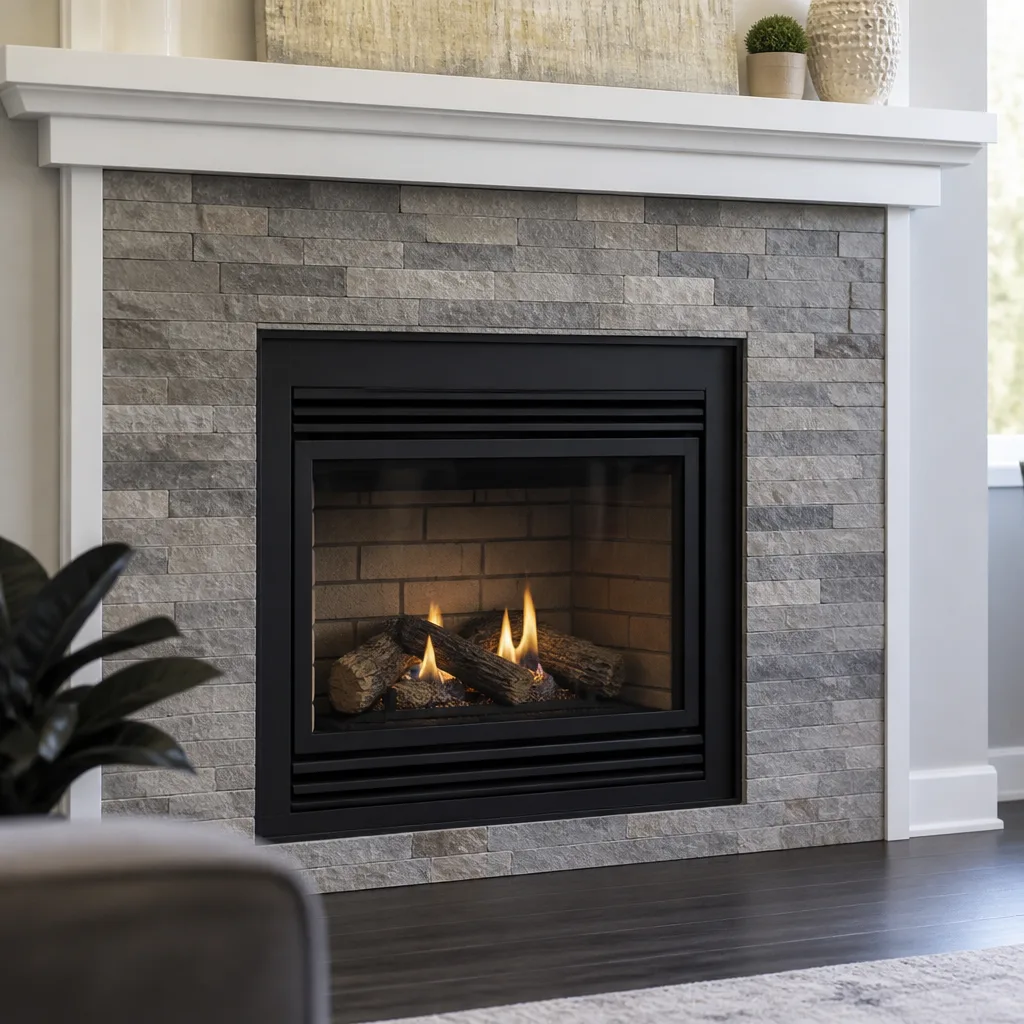
Level 1 sweep and inspection to the NFPA 211 annual standard - flue, crown, cap, and flashing checked and photographed
Chimney sweep logs do not sweep chimneys. They loosen some creosote - which then falls where a brush and vacuum still have to collect it.
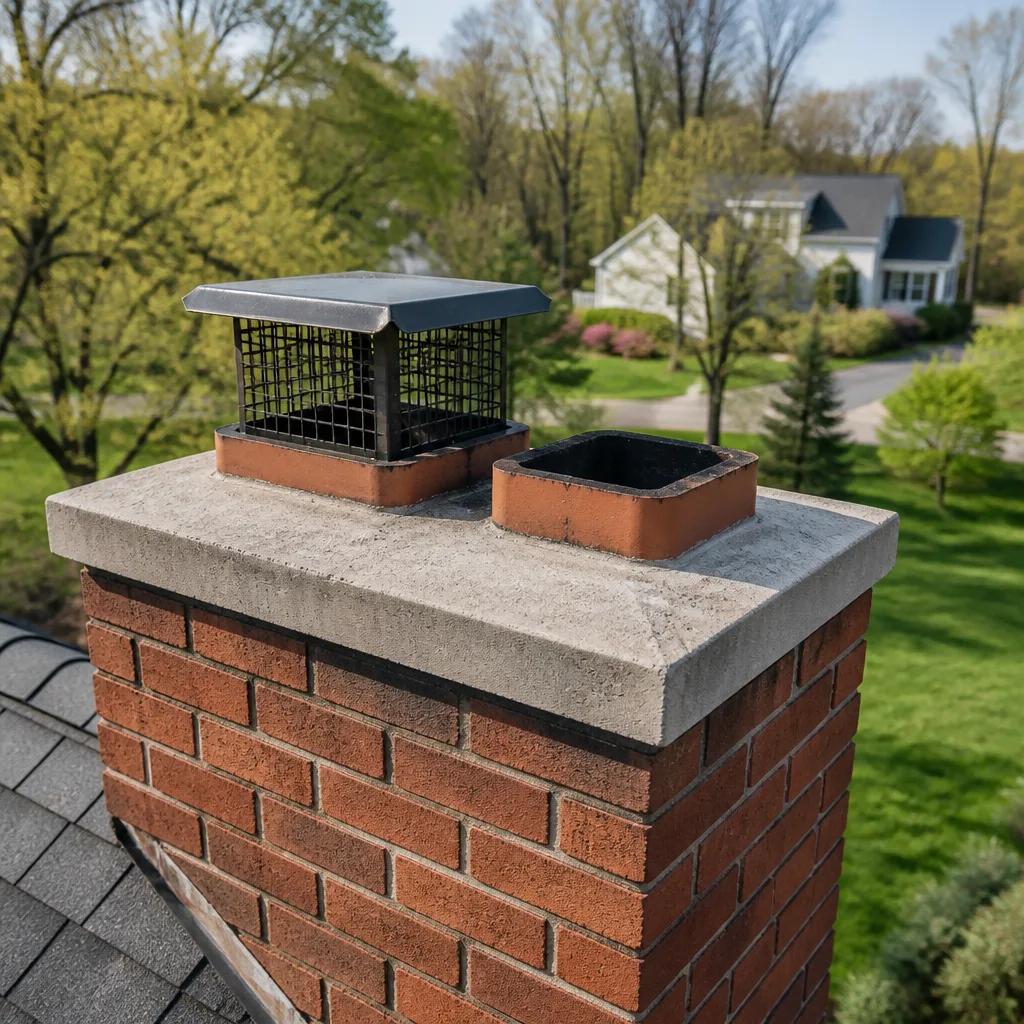
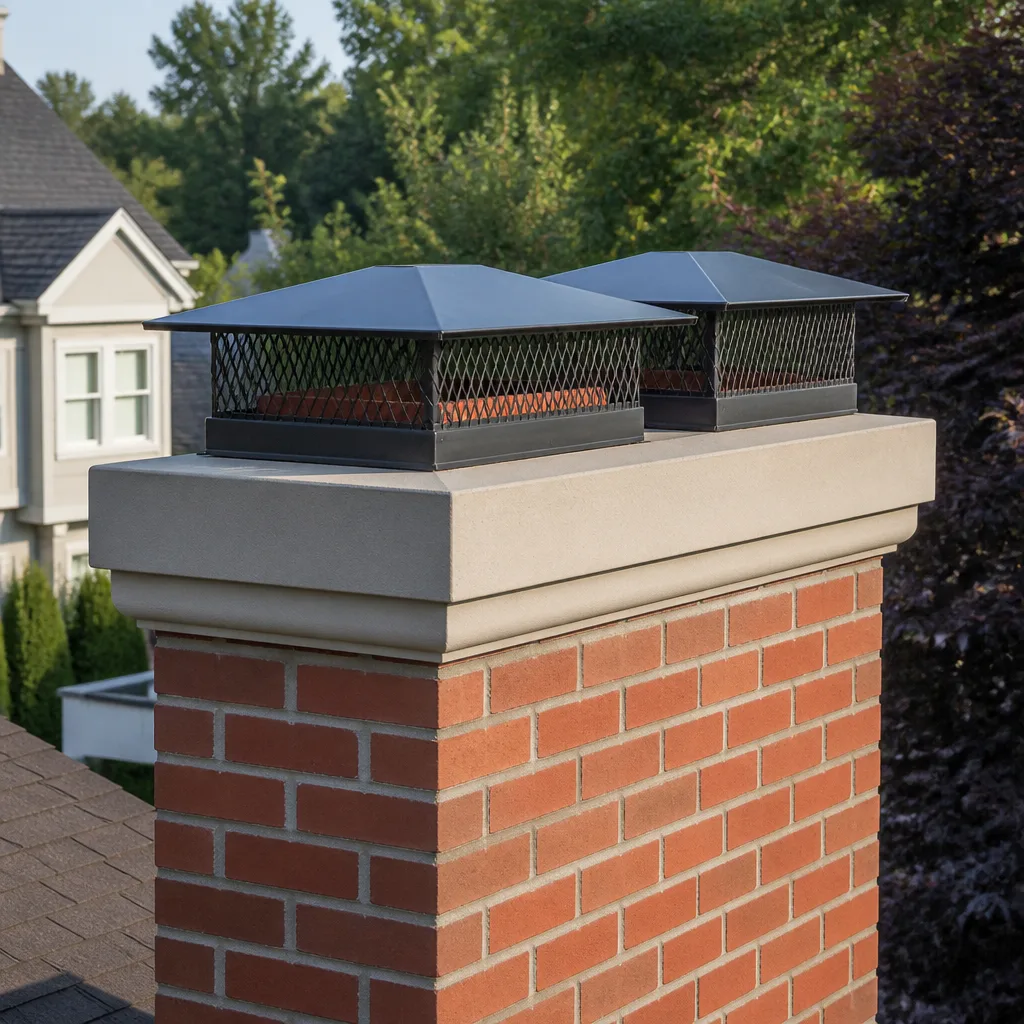
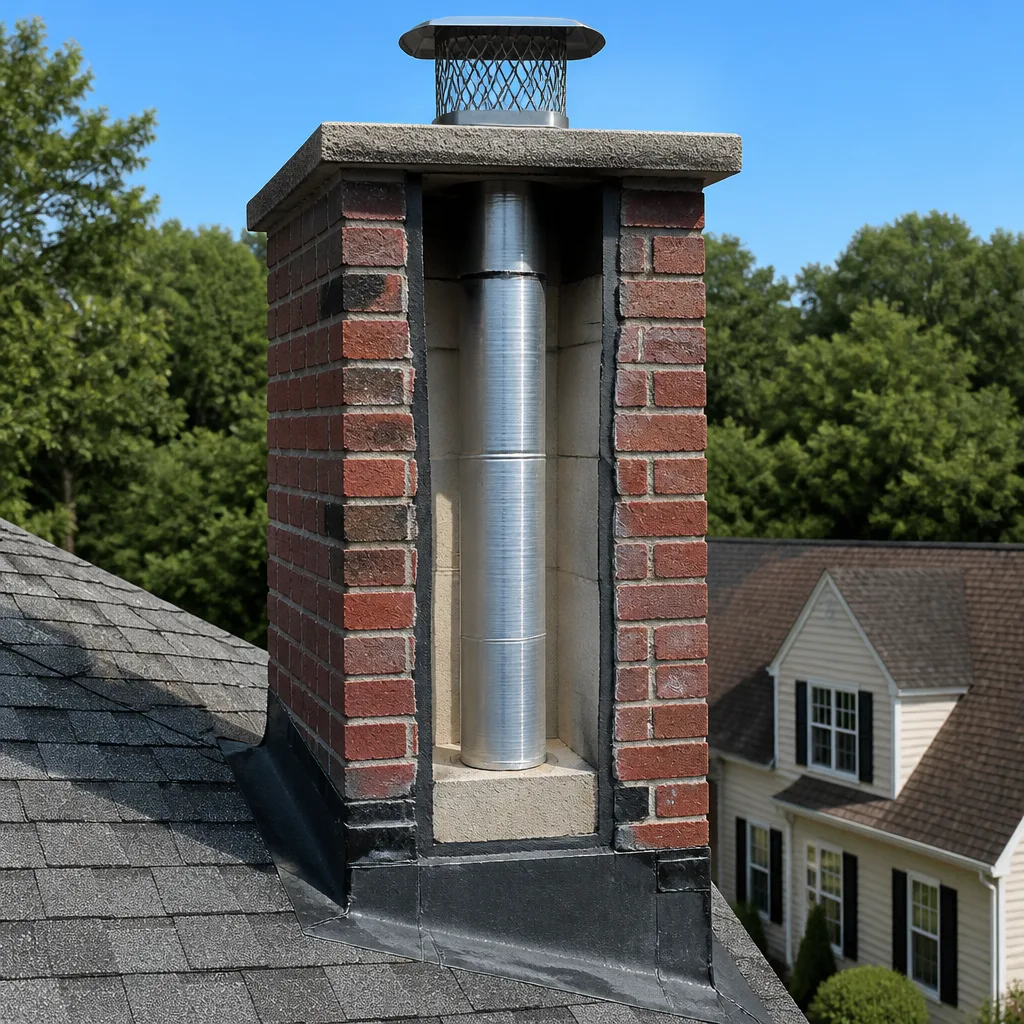
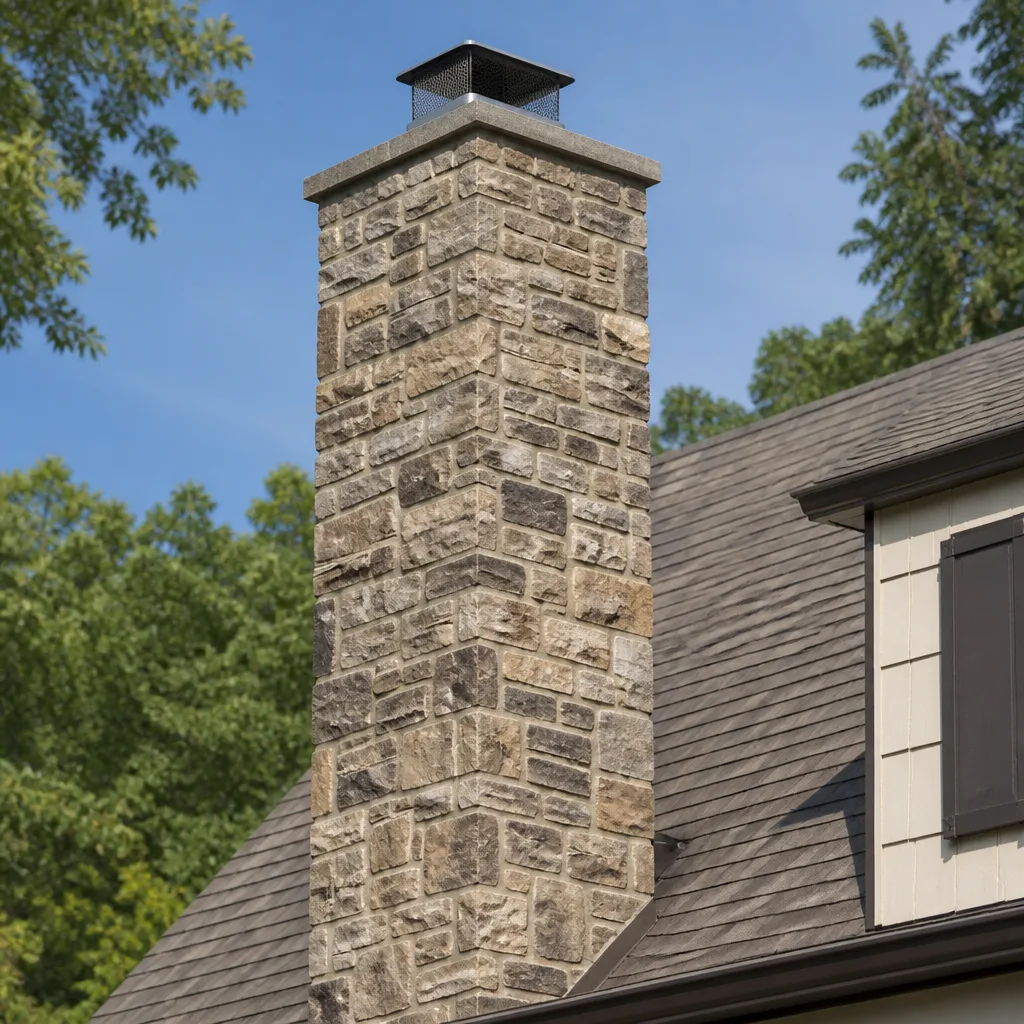
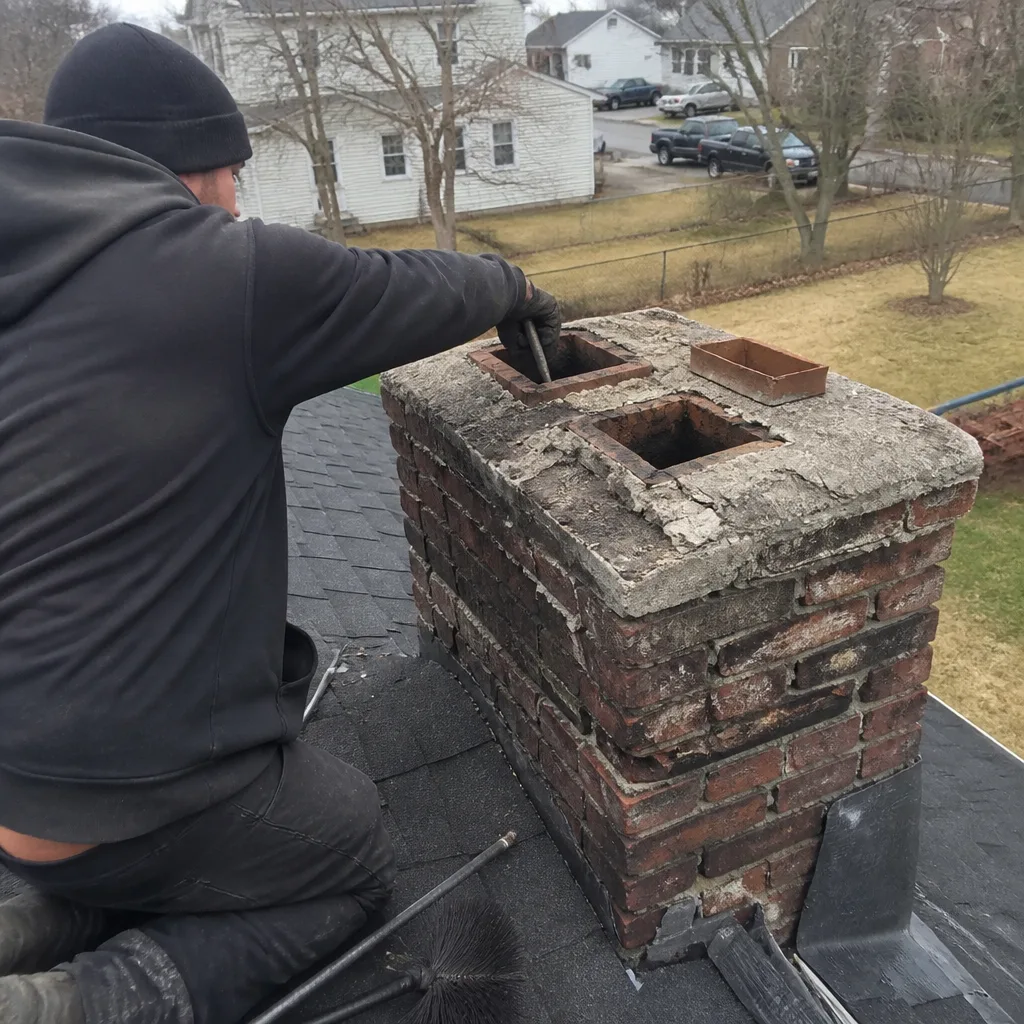 Before
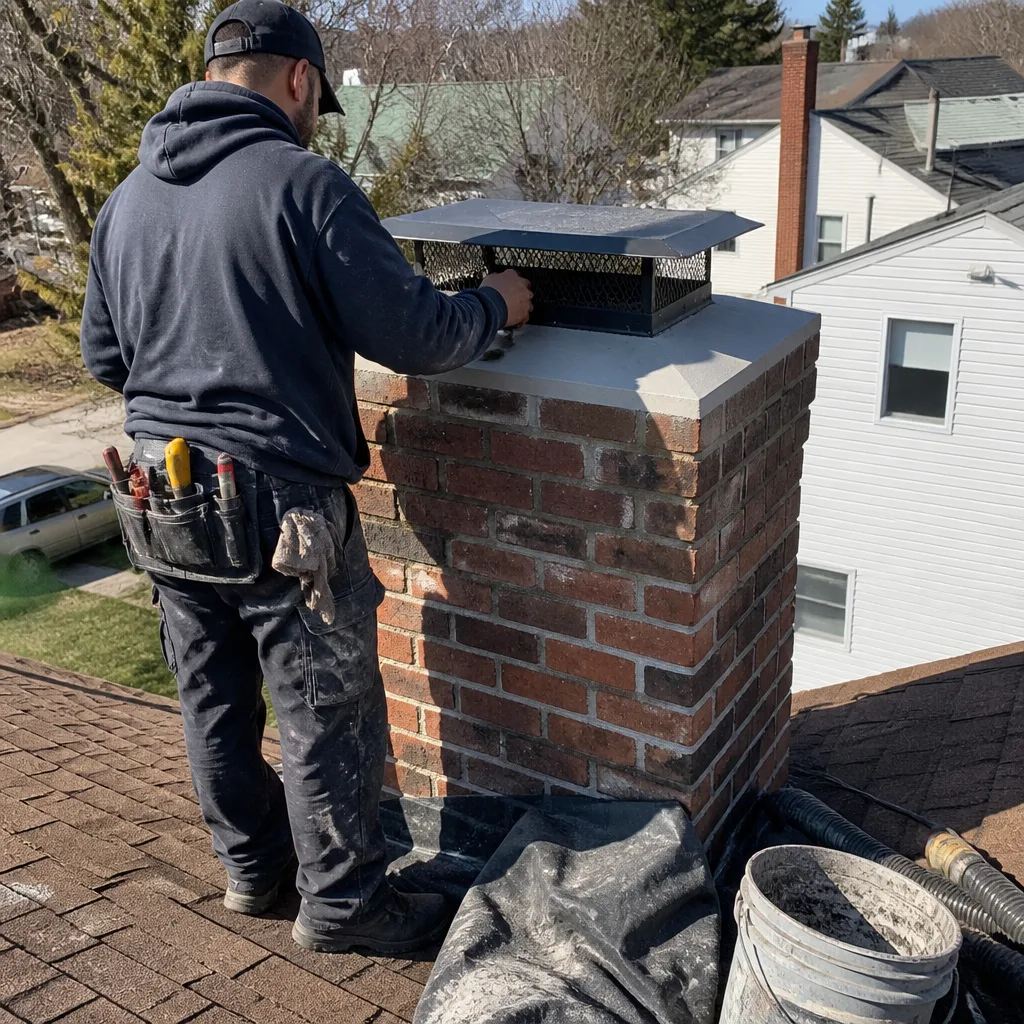 After
After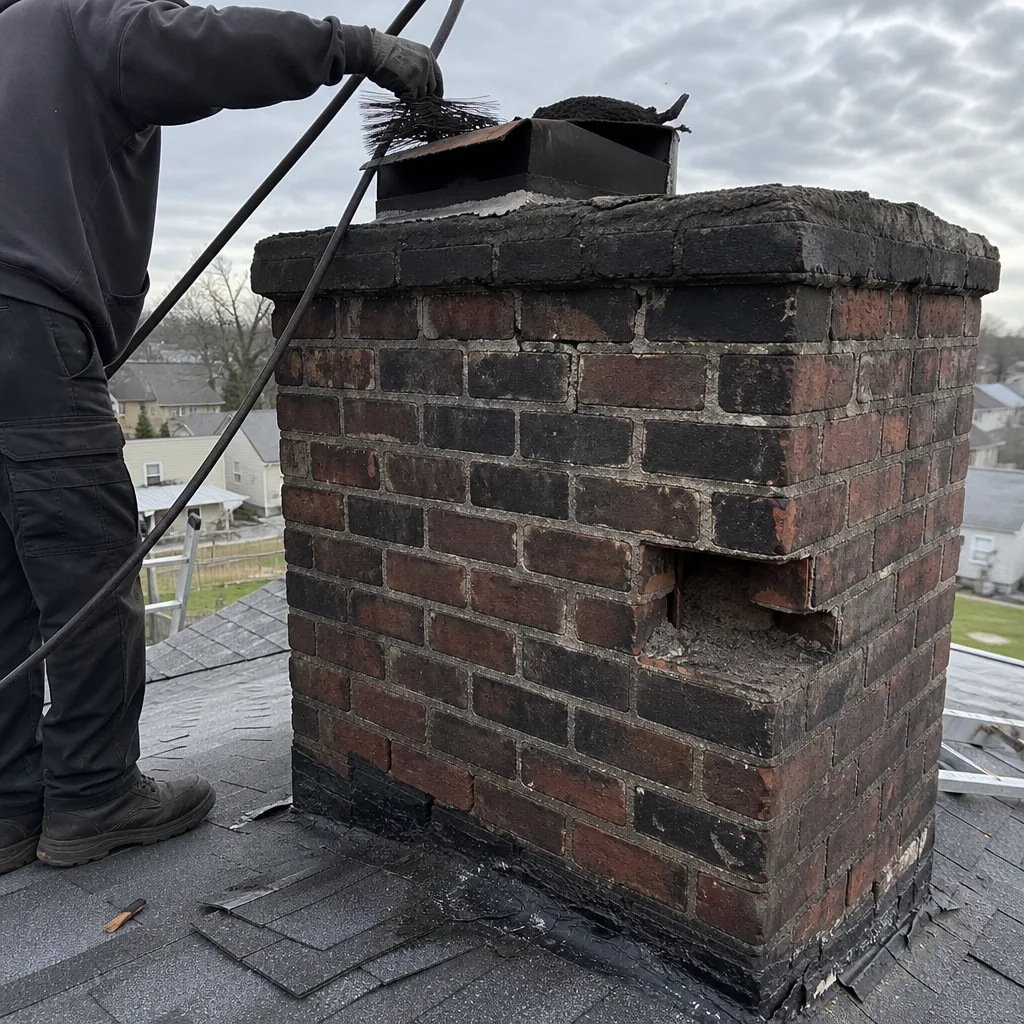 Before
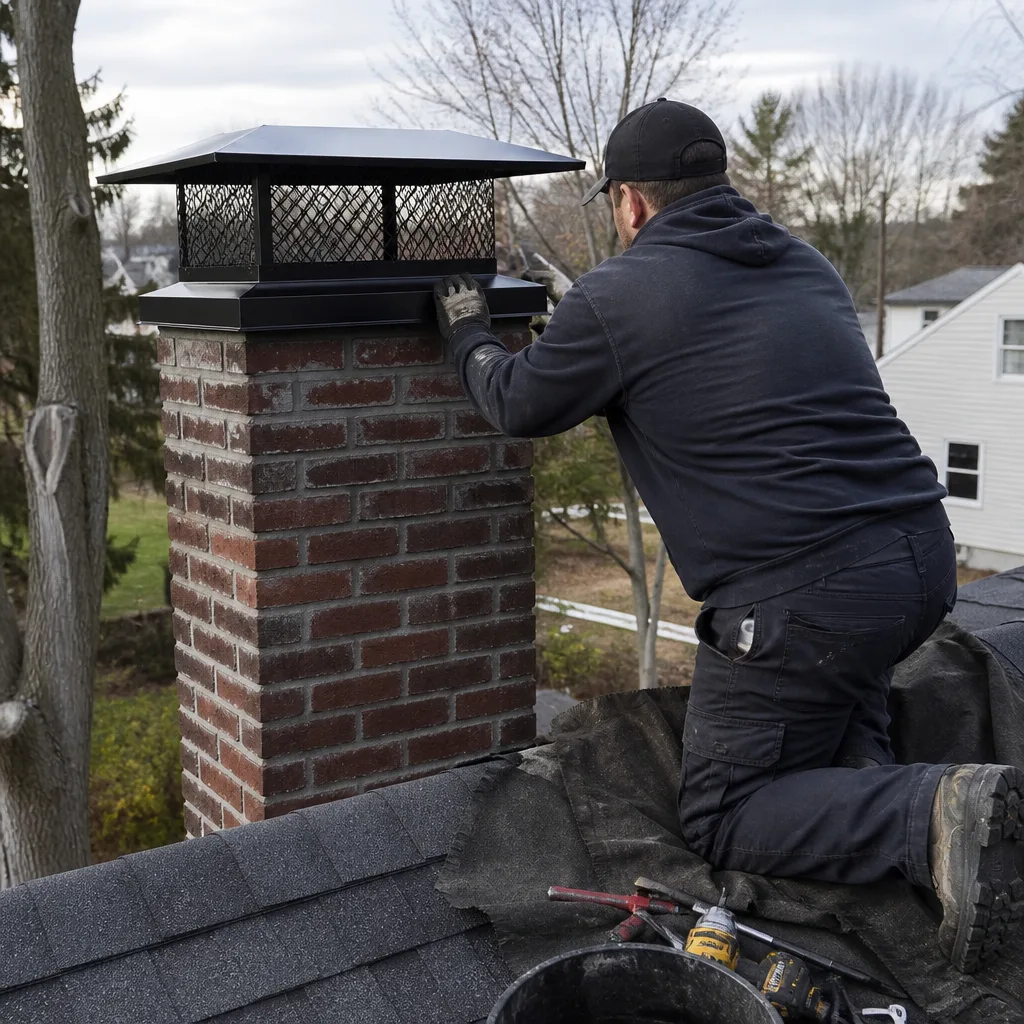 After
After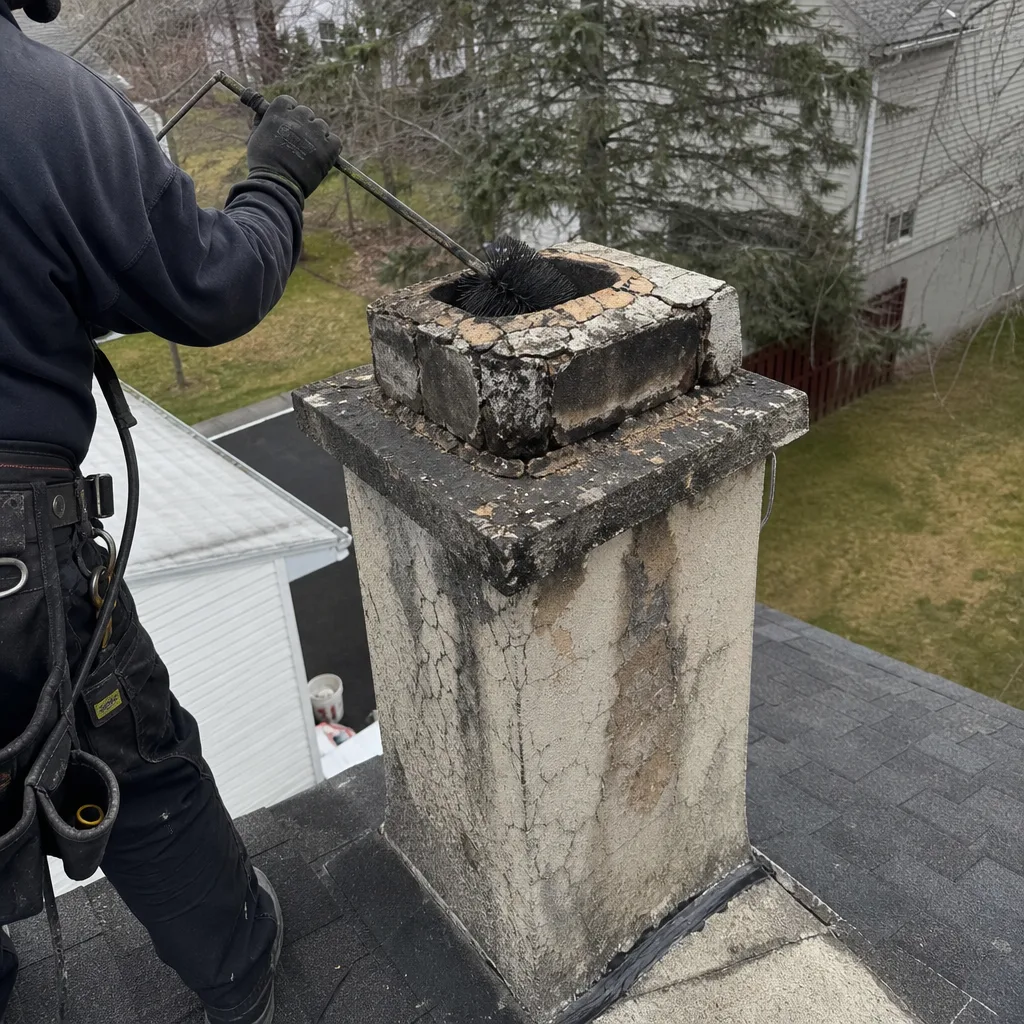 Before
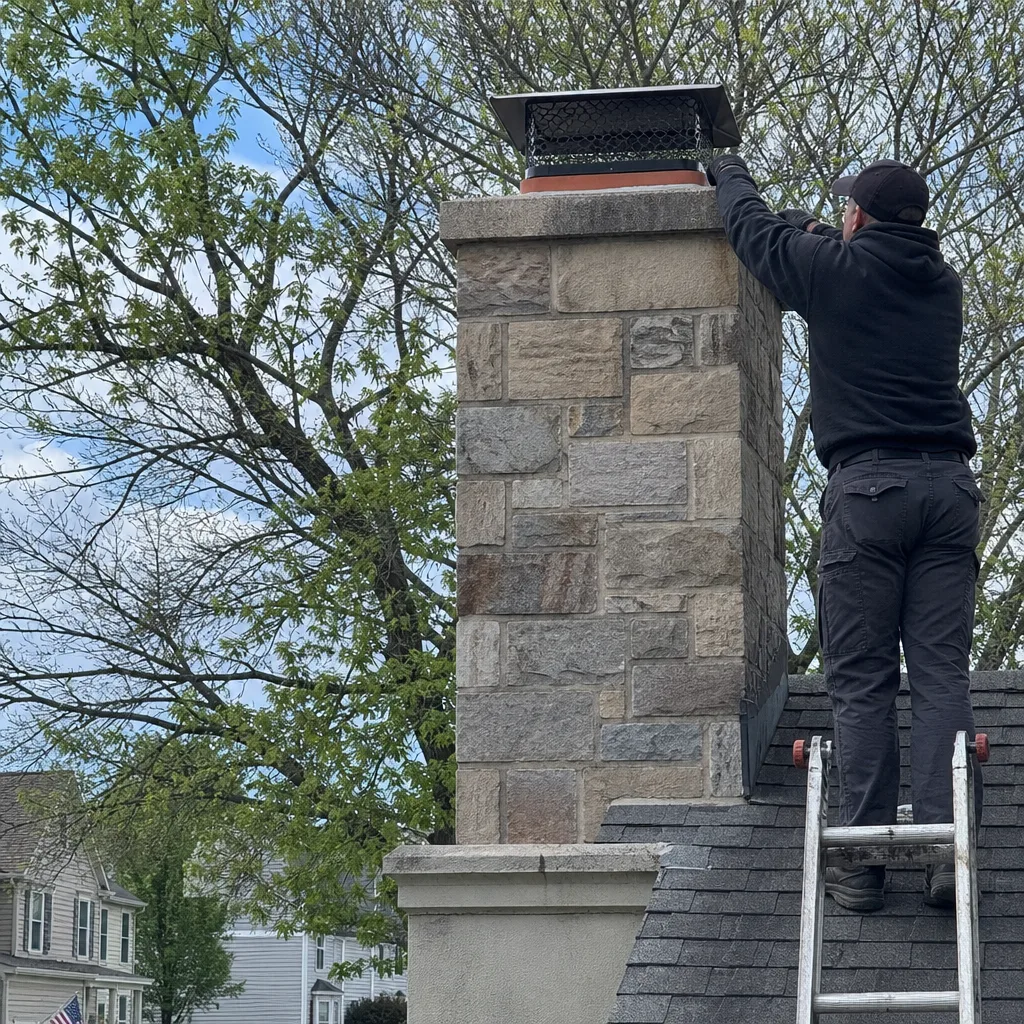 After
AfterSeasonal Chimney Cleaning Care for Trenton: Year-Round Homeowner’s Guide
Summer is the season most Trenton homeowners ignore their chimney entirely - and it’s the season when moisture, birds, and humidity damage quietly compound into the repair bills that show up in October. In our 42 years of work across Mercer County, we’ve found that the homeowners who spend the least on chimney repairs are rarely the ones who burn the cleanest wood or own the newest liners. They’re the ones who stopped treating their chimney as a fall-only appliance and started managing it across all four seasons. This guide explains what actually happens inside your chimney during each season in Trenton, what to do about it, and how to sequence that work so you’re never caught scrambling before the first cold night. For more guides & resources, see our blog.
Quick Answer
Year-round chimney care in Trenton means four distinct maintenance phases: summer inspection and moisture prevention, fall cleaning and burn-readiness verification, winter use monitoring for performance changes, and spring post-season assessment for freeze-thaw damage. Our Chimney Cleaning & Sweep Maintenance Checklist for Trenton Homeowners breaks down each phase in detail. Homeowners who follow this sequence typically avoid emergency repairs and extend liner and masonry life by years.
Table of Contents
- What Happens Inside an Unused Trenton Chimney All Summer
- The Fall Preparation Window: Six Weeks That Save Hundreds
- Winter Use Monitoring: Signs Something Changed Mid-Season
- Spring Post-Season Inspection: Freeze-Thaw Damage in Trenton
- How to Sequence Annual Chimney Work Across the Calendar
- What Seasonal Chimney Care Costs in Trenton
- Common Mistakes to Avoid
- When to Call a Professional
- Frequently Asked Questions
- The Bottom Line
What Happens Inside an Unused Trenton Chimney All Summer
From May through August, your chimney doesn’t sleep. It just works differently.
Trenton’s summer humidity averages above 65% from June through August, and that moisture migrates into masonry whether you’re burning fires or not. Brick and mortar are porous. They absorb atmospheric moisture on humid days and release it when conditions dry. Over a full summer, this cycling leaches salts to the surface - the white powdery staining called efflorescence that we see every September on chimneys in Mill Hill, Berkeley Square, and the older homes near Cadwalader Park. Left alone, efflorescence signals that water is moving through your masonry. Eventually it moves through in volumes that damage the structure.
Meanwhile, an uncapped flue becomes real estate. Squirrels, starlings, and chimney swifts view a dormant chimney as shelter. We’ve pulled nests from flues in July that completely blocked the passage - nests the homeowner never suspected because they hadn’t looked up the chimney since April. A blocked flue doesn’t announce itself politely. It announces itself with smoke backing into the living room on the first cold night of October.
Here’s what summer chimney neglect typically costs Trenton homeowners:
- Efflorescence remediation and waterproofing: $400-$900
- Animal removal and flue clearing: $200-$500
- Crown reconstruction after moisture infiltration: $800-$1,800
- Full liner replacement if moisture has corroded stainless or damaged clay tile: $2,500-$5,000
The inspection that catches these issues in July runs $89-$150. The math is straightforward.
We recommend a Level-2 camera inspection during summer months. The flue is cool, the light is good, and there’s no pressure to rush before a cold front. Our technicians document what they find with photos you can see and a plain-English verdict. If we find moisture intrusion, we can address it with professional-grade waterproofing treatments or crown repair using materials from HeatShield or Gelco before fall demand compresses scheduling.
Summer is also when we install chimney caps and chase covers for Trenton homeowners who’ve been meaning to get it done. A properly fitted cap with animal-proof screening eliminates the intrusion problem entirely. We fabricate and install caps using Olympia Chimney and Famco components - no builder-grade substitutes that rust through in three years.
The Fall Preparation Window: Six Weeks That Save Hundreds
There’s a six-week stretch in Trenton that runs roughly from the third week of September through the first week of November. Nights turn cool. Morning dew appears on windshields. Homeowners start thinking about fires. But most haven’t lit one yet.
This window matters because it’s the only time of year when you can get a sweep and inspection completed without competing against emergency calls. Once temperatures drop into the 40s consistently, our phone lines - staffed by a live person 24 hours a day, 7 days a week - shift from scheduled maintenance to “my smoke detector went off” and “smoke is pouring into my living room.” Technicians are competent and thorough in October, but they’re also moving between more calls. The homeowner who books in late September gets unhurried work and wider appointment availability.
Here’s what fall preparation should include:
- Full Level-2 inspection with camera. We photograph the full flue length, the smoke chamber, the firebox, and the exterior crown and flashing. You see what we see. No surprises.
- NFPA 211-compliant sweeping. We remove creosote deposits, obstructions, and debris using professional-grade brushes and HEPA containment. For Trenton homes that burn cordwood regularly, this is annual maintenance. For occasional users, inspection determines whether sweeping is needed.
- Damper and firebox function check. The damper should open fully, seat cleanly, and show no warping or corrosion. Firebox brick and refractory panels get checked for cracking or spalling.
- Exterior assessment: crown, cap, flashing, and masonry. Summer moisture damage gets identified before it’s buried under winter ice.
- Burn-readiness verdict. We tell you plainly whether your system is ready for the season, what work is recommended, what can wait, and what the costs are upfront. The number on the estimate is the number on the invoice.
Homes in Trenton’s older neighborhoods - Chambersburg, Duck Island, the historic districts near the State House - often have unlined chimneys or early clay tile liners that need particular attention. We’ve seen original construction from the 1920s still performing safely with proper maintenance, and we’ve seen thirty-year-old liners fail because they were never inspected. Age alone doesn’t determine condition. Documentation does.
Our Chimney Cleaning & Sweep in Trenton service includes all five steps above, with no-hassle upfront pricing and our 90-Day Done Right Promise in writing. If it’s not right, we make it right. No paperwork and no arguing.
Winter Use Monitoring: Signs Something Changed Mid-Season
Once the burning season starts, most homeowners assume the chimney is handled. The inspection was clean. The sweep was thorough. What could change?
Plenty. And the homeowners who catch problems mid-season avoid the emergencies that dominate our January call volume.
Here’s what to watch for during winter use in Trenton:
- Smoke behavior changes. If smoke that previously drafted cleanly now lingers in the firebox or enters the room, something has shifted. Possible causes: partial flue obstruction from creosote buildup, damper malfunction, or negative pressure changes in the house from weatherization improvements you made since last season.
- Damper feel changes. A damper that opened smoothly in November but now sticks, grinds, or won’t fully close has corroded, warped, or accumulated debris. Operating a damaged damper can worsen the problem and risks dropping it into the flue.
- Odor changes. A clean chimney smells faintly of wood ash. A chimney that begins emitting sharp, acrid, or sulfurous odors during use often has creosote buildup reaching combustion temperatures, or moisture intrusion mixing with deposits. Both warrant immediate attention.
- Exterior masonry changes visible from ground. After freeze-thaw cycles, new cracks in the crown or separation at the roofline flashing may become visible. Ice damming on Trenton roofs can redirect water into chimney structures.
- Performance decline. Fires that previously heated the room adequately now seem to burn incompletely or require constant tending. This can indicate restricted airflow from partial blockage or liner damage affecting draft.
We do not recommend homeowners attempt mid-season flue inspection themselves. The risks of working on a roof in winter conditions, combined with the difficulty of properly assessing creosote deposits without training and camera equipment, make this a job for professionals. What we do recommend is simple observation and prompt calling when something seems different. The call costs nothing. The delay can cost significantly.
For Trenton homeowners who use their fireplace as primary or significant supplemental heat, we also suggest monitoring your wood supply quality. Seasoned hardwood (moisture content below 20%) burns cleaner and deposits less creosote than softwood or green wood. If your wood source changed mid-season, your chimney’s condition may change with it.
Spring Post-Season Inspection: Freeze-Thaw Damage in Trenton
When the last fire of the season burns out, most homeowners close the damper and forget the chimney exists until September. This is a costly pattern.
Trenton’s winter climate produces repeated freeze-thaw cycles that stress chimney structures uniquely. Temperatures swing above and below freezing dozens of times between December and March. Water enters micro-cracks in masonry, expands when it freezes, and widens those cracks incrementally. By April, a hairline crown crack from November can be a structural separation.
Spring inspection priorities differ from fall inspection. In fall, we’re verifying burn readiness. In spring, we’re documenting what winter did.
Crown cracking and deterioration. The concrete crown is your chimney’s most vulnerable surface. It sits exposed, horizontal, and receives direct precipitation. We examine for new cracks, spalling, or separation from the flue tile. Minor crown damage caught in April can be repaired with HeatShield crown coat or similar professional-grade materials. Left until fall, the same damage often requires full crown reconstruction.
Flashing separation. The metal flashing where chimney meets roof expands and contracts with temperature swings. Spring inspection reveals whether that movement has opened gaps that will admit water during April and May rains. In Trenton’s older housing stock, particularly in neighborhoods like Wilbur and Villa Park, original flashing may be galvanized steel with limited remaining service life. We document condition and provide plain-English guidance on whether repair or replacement is warranted.
Liner displacement or damage. Stainless steel liners can shift from thermal cycling. Clay tile liners can crack from freeze-thaw stress if moisture has penetrated surrounding masonry. Camera inspection in spring, when the flue is cool and accessible, reveals damage that may not have been visible in fall.
Efflorescence and moisture staining. New white staining on exterior brick indicates water movement through masonry that accelerated during winter. This is the earliest visible signal of the moisture damage that destroys chimneys over five to ten years.
Spring is also the optimal time for major repairs. Scheduling is flexible. Materials from Gelco and Olympia Chimney are readily available. Work proceeds without the pressure of impending cold weather. And repairs completed in spring have all summer to cure and settle before the next burning season.
Our Chimney Repair in Trenton service handles crown reconstruction, flashing replacement, liner installation, and masonry restoration. Most jobs complete in a single visit. All work carries the 90-Day Done Right Promise - in writing, no arguing.
How to Sequence Annual Chimney Work Across the Calendar
The homeowners we see spending the least over a decade of ownership have learned to spread chimney work across the calendar rather than compressing it all into October. Here’s the sequence we’ve developed from 42 years of serving Trenton and surrounding communities.
May-June: Summer inspection and prevention
Schedule Level-2 camera inspection. Address moisture issues, install or verify cap and screening, complete waterproofing if recommended. This is discovery phase - finding what developed over winter and spring.
September-October: Fall cleaning and burn verification
Schedule sweeping and final pre-season inspection. Verify damper function, firebox condition, and exterior integrity. Address any issues identified in summer that weren’t urgent. This is readiness phase - confirming safe operation.
November-March: Use and monitor
Burn seasoned hardwood. Observe smoke behavior, damper function, and odors. Call promptly if anything changes. This is vigilance phase - catching problems before they become emergencies.
April-May: Post-season assessment and planning
Schedule spring inspection to document winter’s effects. Plan any needed repairs for summer completion. This is documentation phase - preventing next year’s surprises.
This sequence spreads costs across the year, avoids the October scheduling crush, and ensures that no season passes without appropriate attention. The homeowner who follows this pattern replaces liners less frequently, rebuilds crowns less often, and never experiences the October emergency that costs three times what prevention would have.
For homeowners considering Fireplace Services in Trenton, this same calendar applies. Insert installation, upgrade, or conversion work into summer months when fireplace downtime doesn’t matter.
What Seasonal Chimney Care Costs in Trenton
Pricing for chimney maintenance varies with home configuration, chimney height and accessibility, and condition. The ranges below reflect our experience across Trenton and Mercer County. They’re not quotes - every system requires individual assessment - but they provide realistic planning figures.
| Service | Typical Range | Best Season to Schedule |
|---|---|---|
| Level-2 inspection with camera | $150-$250 | Year-round; summer for unhurried review |
| Chimney sweeping (NFPA 211) | $200-$350 | September-October |
| Chimney cap supply and installation | $300-$700 | May-August |
| Crown repair / crown coat | $400-$900 | April-September |
| Crown reconstruction | $800-$1,800 | April-September |
| Flashing repair | $350-$800 | April-October |
| Stainless steel liner installation | $2,500-$5,000 | April-September |
| Firebox refractory panel replacement | $600-$1,400 | Year-round |
Our standing offers apply year-round: $50 off any repair over $250, free second opinion on any written estimate, $89 seasonal tune-up, and permanent 5% senior and veteran discount. No-hassle upfront pricing means the number we quote is the number on the invoice. No surprises.
Common Mistakes to Avoid
- Waiting for October to think about your chimney. By then, every sweep in Mercer County is booked two weeks out, and you’re choosing between rushing the work or delaying your first fire. The homeowner who books in September gets better availability and more thorough attention.
- Assuming no fire last year means no inspection needed. Even unused chimneys accumulate moisture damage, animal intrusion, and structural stress. We’ve found significant deterioration in chimneys that haven’t hosted a fire in three years.
- Ignoring efflorescence as “just staining.” That white powder is soluble salts being transported through your masonry by moving water. It’s a structural warning, not a cosmetic issue. In Trenton’s humid summers, it accelerates quickly.
- Buying the cheapest cap online and self-installing. Improperly fitted caps create new leak paths, inadequate screening admits animals, and galvanized hardware-store caps rust through in two to three years. Professional-grade caps from Famco or Olympia Chimney, properly fitted, last decades.
- Assuming a home inspection covered the chimney adequately. General home inspections include visual chimney assessment from ground level and basic firebox examination. They do not include camera inspection of the flue interior, which is where most dangerous conditions develop.
- Deferring spring repairs “until fall.” Crown cracks widen. Flashing separations admit water. Liner damage worsens with thermal cycling. Summer repair prevents fall emergencies and typically costs less because the damage hasn’t progressed.
- Burning unseasoned or softwood to save money. Green wood and softwood deposit creosote at rates that accelerate sweeping needs and increase chimney fire risk. The savings on wood get consumed by additional maintenance and elevated hazard.
When to Call a Professional
Call a certified chimney professional when you observe smoke behavior changes, detect new odors during burning, see exterior masonry changes, or experience damper malfunction. Before you call, review Chimney Cleaning Permits, Codes & Inspections in NJ: What You Need to Know to understand requirements. Call before the burning season if your chimney hasn’t been inspected in over a year, if you’ve purchased a home with unknown chimney history, or if you’re considering any fireplace modification. Call promptly after chimney fire incidents, even if damage appears minimal - thermal shock cracks liners and damages masonry in ways that aren’t immediately visible.
We do not recommend homeowner inspection of flue interiors, roof-level chimney components, or damper mechanisms. These assessments require specialized equipment, training in hazard recognition, and physical positioning that carries genuine risk. A Level-2 inspection by a qualified technician provides documentation you can rely on.
Hearthstone Chimney Co. offers free estimates in Trenton. Call (856) 519-0832. A live person answers 24 hours a day, 7 days a week. We’ll schedule inspection at your convenience, provide photos you can see and a plain-English verdict, and quote upfront pricing with no surprises on the bill. Done right - and we stand behind it.
Frequently Asked Questions
A professional chimney sweep in Trenton typically costs $200-$350 for a standard NFPA 211-compliant cleaning, with Level-2 camera inspection adding $150-$250. Total pre-season preparation for most homeowners runs $350-$600. Call (856) 519-0832 for an exact quote - estimates are free.
The National Fire Protection Association recommends annual inspection for all chimneys, with sweeping frequency determined by use and fuel. Trenton homeowners who burn cordwood regularly should sweep annually. Occasional users may inspect annually and sweep every two to three years if inspection confirms minimal creosote accumulation. Annual inspection is non-negotiable - conditions develop regardless of use frequency.
You need a new liner when camera inspection documents damage that compromises safety: cracked clay tile, corroded or separated stainless steel, or unlined construction in a system that requires lining per current code. We never recommend liner replacement without photo evidence you can see yourself. Some conditions allow repair rather than replacement. Some unlined chimneys can remain in service with proper maintenance. The verdict depends on documented condition, not age or assumption.
Skipped maintenance leads to progressive creosote accumulation, which increases chimney fire risk and restricts draft. Moisture intrusion goes undetected, accelerating masonry and liner deterioration. Animal intrusion blocks flues. By the time symptoms appear - smoke backup, odors, visible damage - repair costs typically exceed prevention costs by three to five times. In extreme cases, neglected chimneys become structurally unsound or create carbon monoxide hazards. Call (856) 519-0832 for a free estimate and honest assessment of your system’s condition.
Homeowners can and should observe exterior condition, damper function, and burn performance. We do not recommend self-inspection of flue interiors or roof-level components. Proper assessment requires specialized camera equipment, training in creosote stage recognition and liner damage identification, and safe physical positioning. The cost of professional inspection is modest compared to the risk of undetected conditions.
Trenton’s four-season continental climate produces distinct stress patterns: summer humidity drives moisture migration through masonry, fall temperature swings test system readiness, winter freeze-thaw cycles crack crowns and separate flashing, and spring rains exploit winter damage. Coastal-influenced humidity from the Delaware River corridor adds moisture load not present in drier inland regions. These factors make year-round attention more important here than in milder or more stable climates.
The Bottom Line
Trenton’s four seasons create four distinct maintenance obligations for chimney owners. Summer is for inspection and moisture prevention. Fall is for cleaning and burn verification. Winter is for vigilant use monitoring. Spring is for documenting damage and planning repairs. The homeowner who sequences work across this calendar avoids the October scramble, spreads costs predictably, and extends chimney system life by years. The homeowner who treats the chimney as a fall-only appliance pays more, waits longer, and faces higher emergency risk.
We’ve served local communities for over 42 years. We’re not going anywhere. That stability shapes how we work: documented inspections, plain-English verdicts, upfront pricing, and the 90-Day Done Right Promise in writing. If it’s not right, we make it right. No arguing.
Call (856) 519-0832 for a free estimate. A live person answers, 24 hours a day, 7 days a week. We’ll be there when we say. Photos you can see, a plain-English verdict. A square deal: no surprises on the bill.
Written by Russell Haines, Owner at Hearthstone Chimney Co., serving Trenton since 2014.