
Last updated September 10, 2026
Level 1 sweep and inspection to the NFPA 211 annual standard - flue, crown, cap, and flashing checked and photographed
Chimney sweep logs do not sweep chimneys. They loosen some creosote - which then falls where a brush and vacuum still have to collect it.
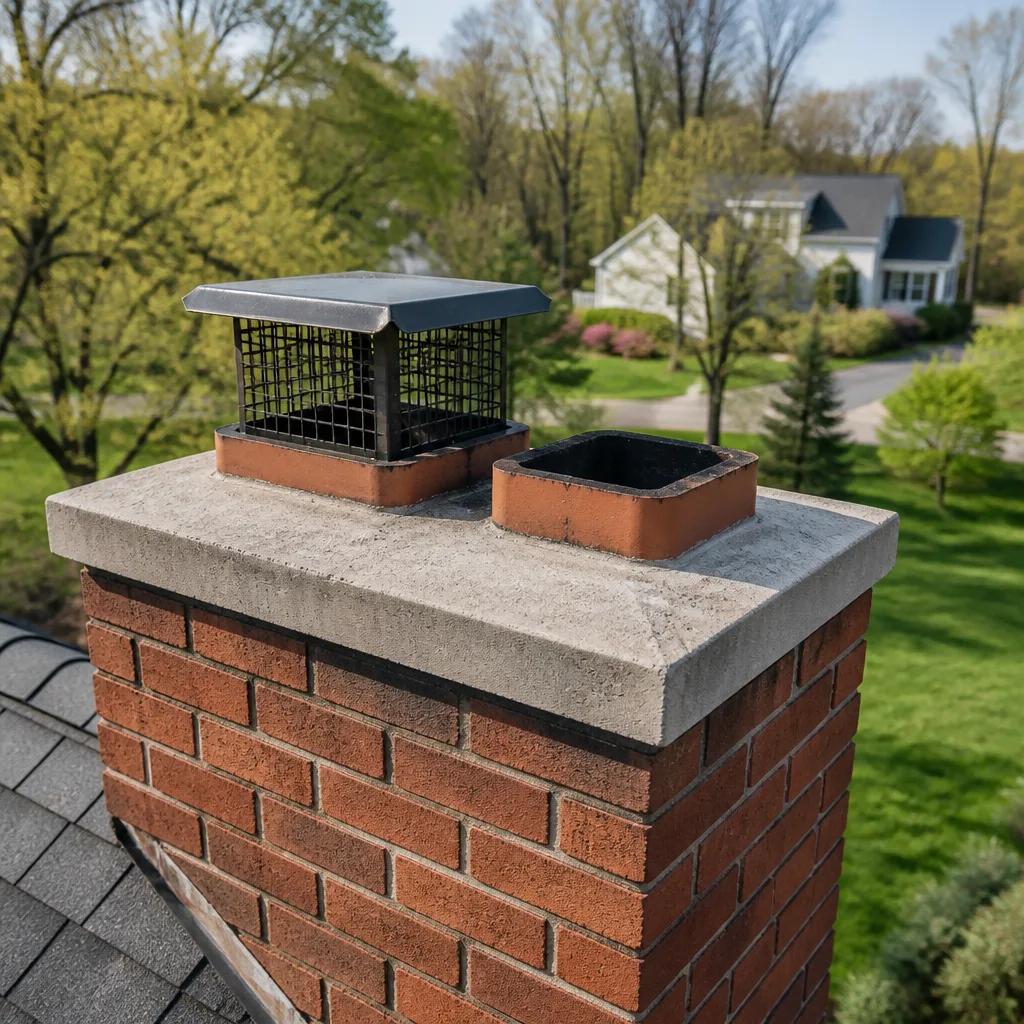
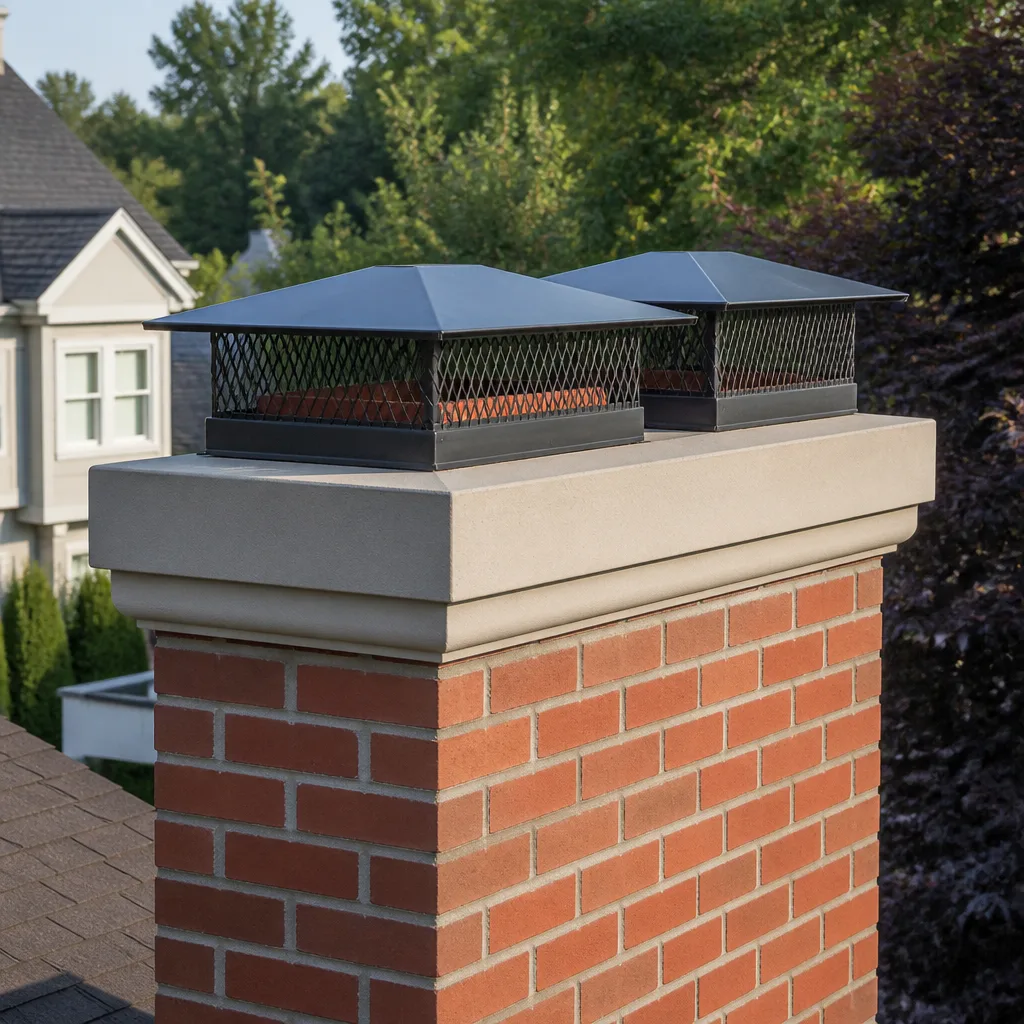
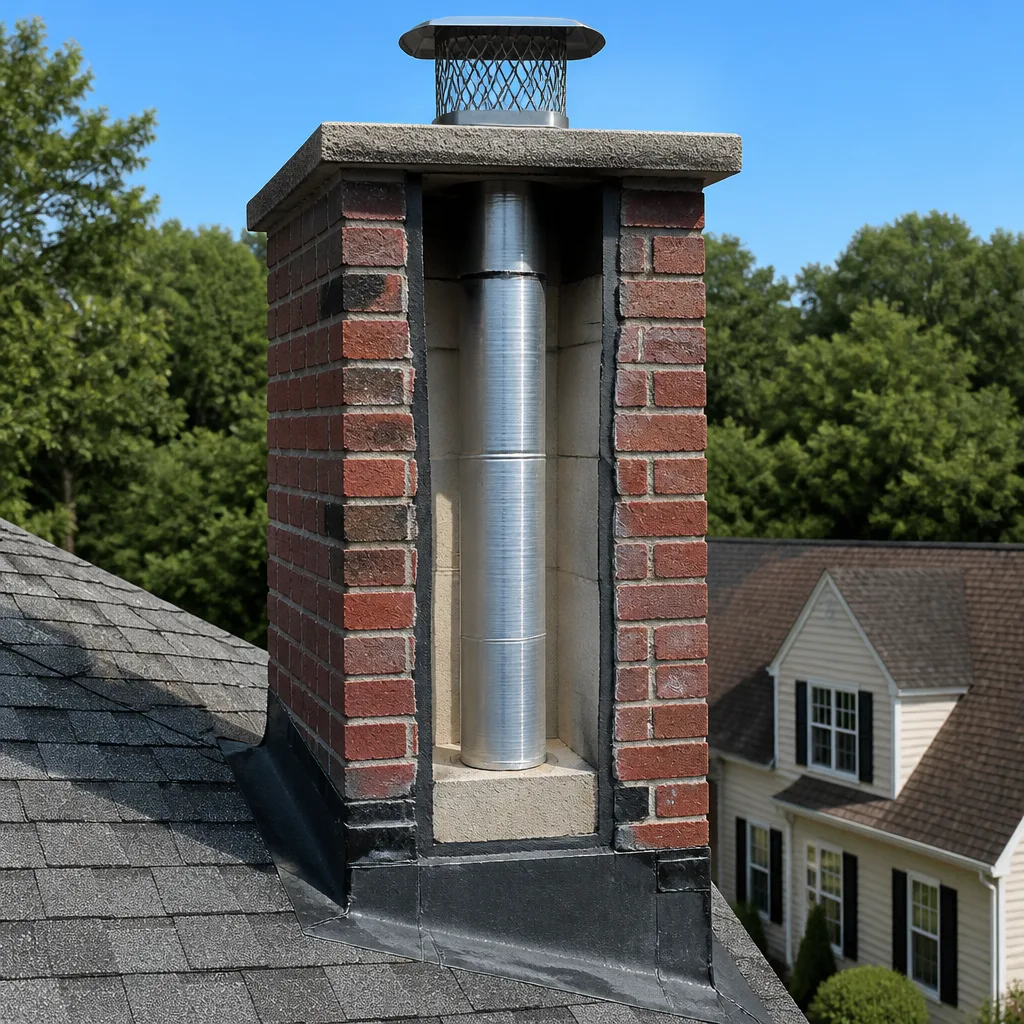
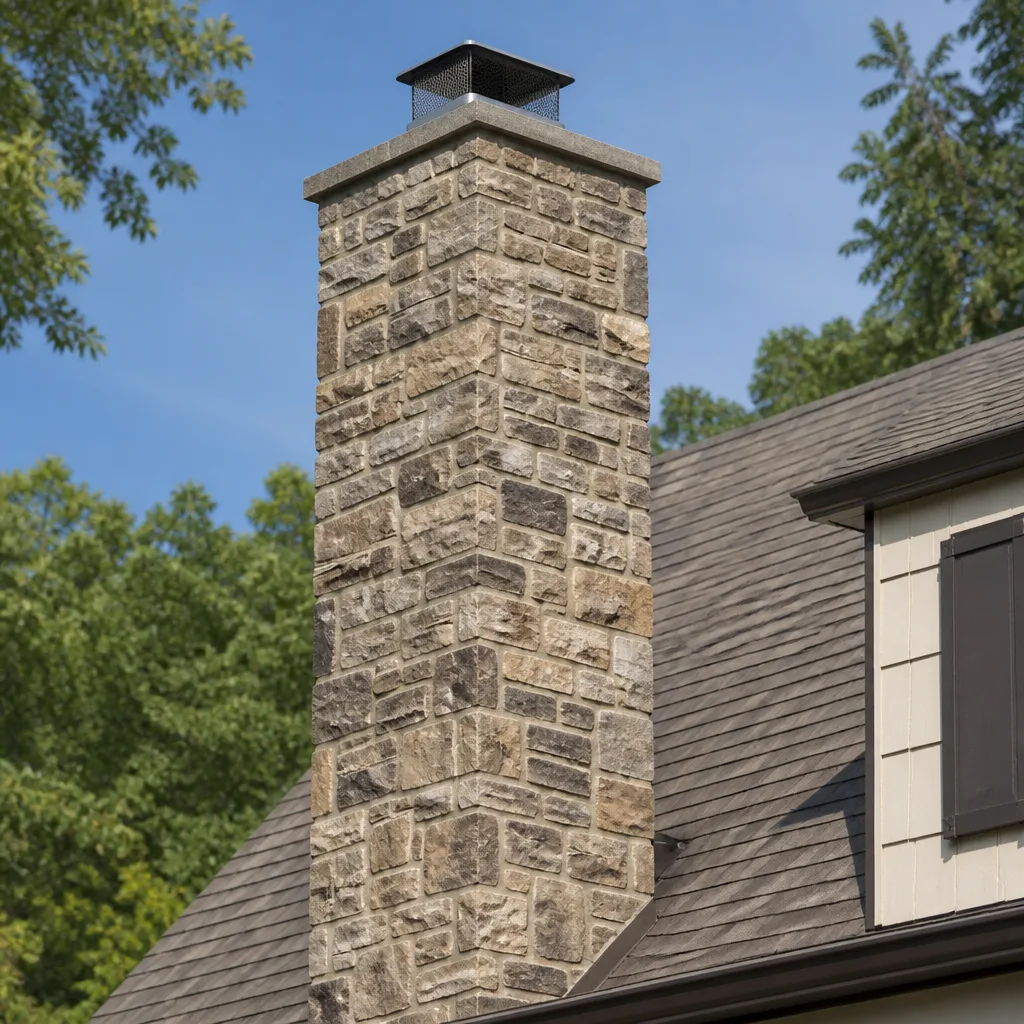
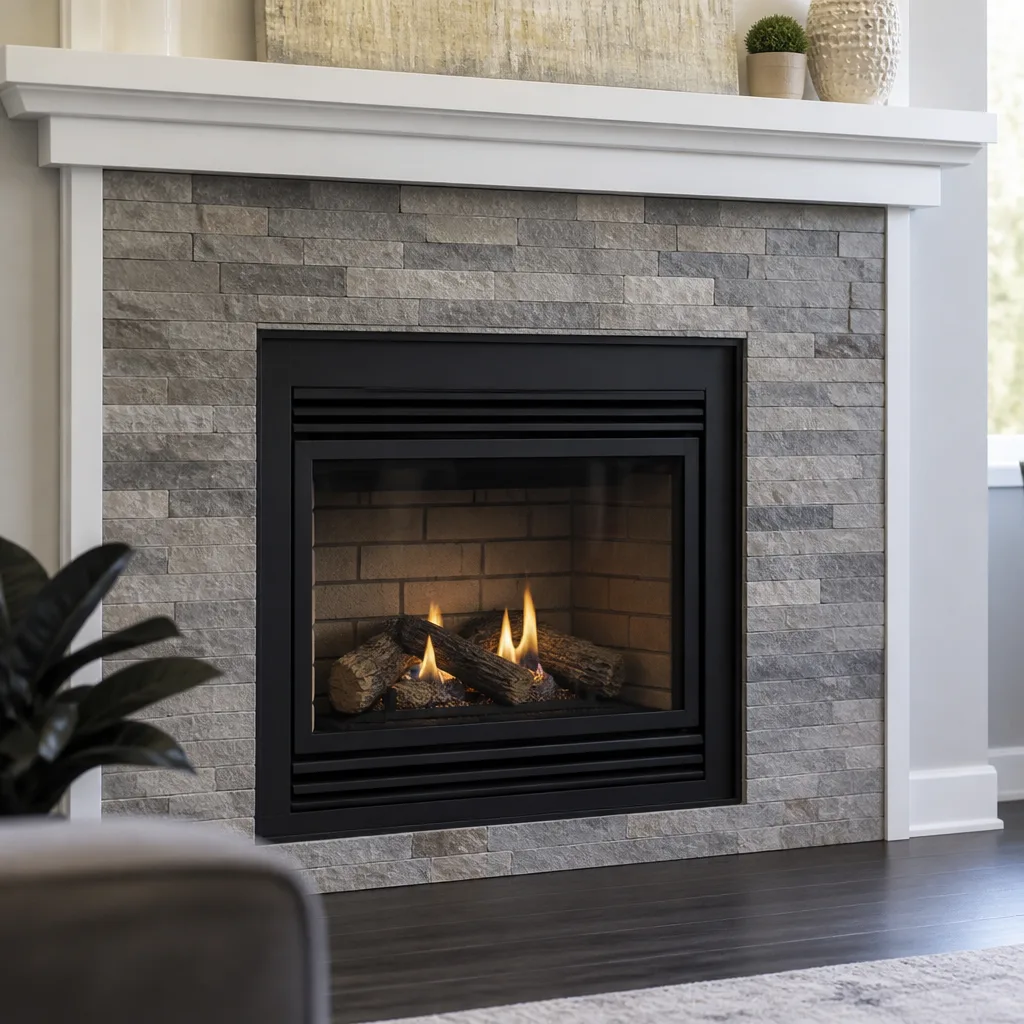
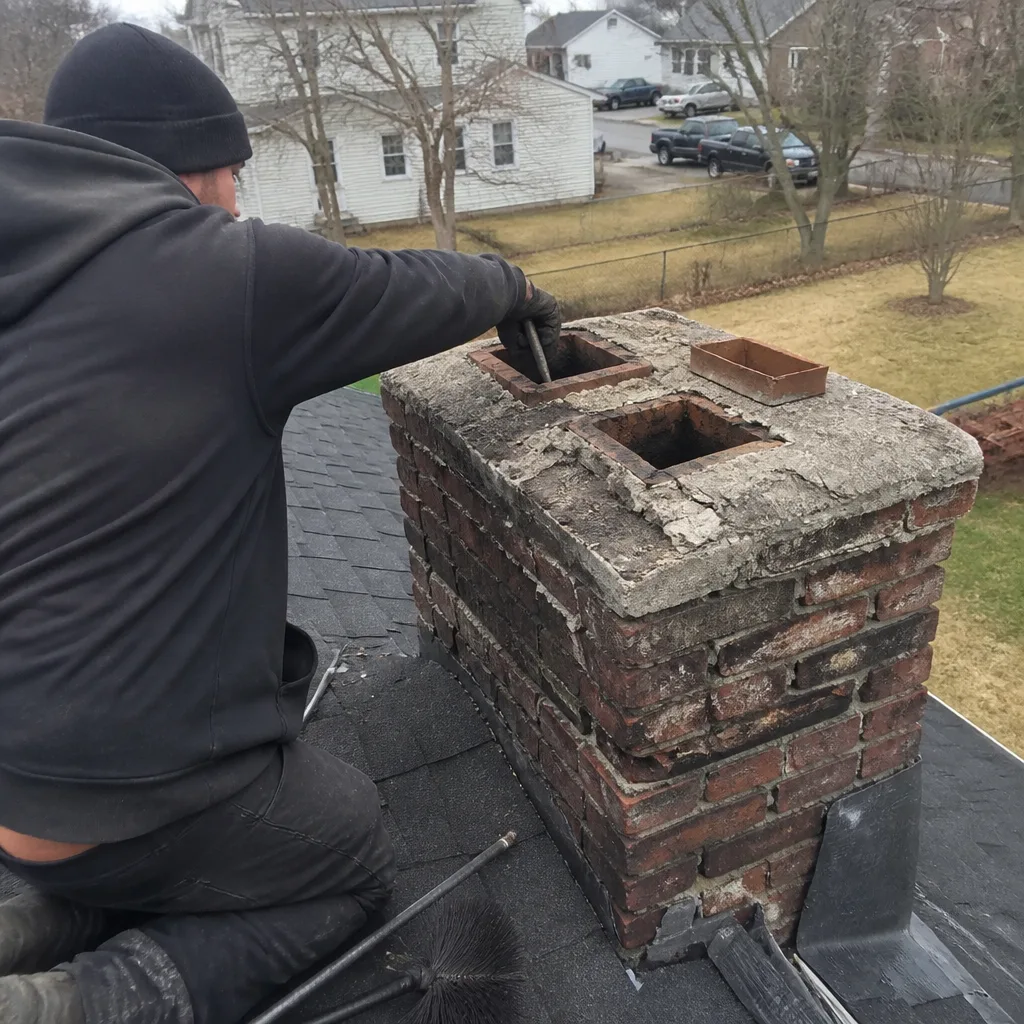 Before
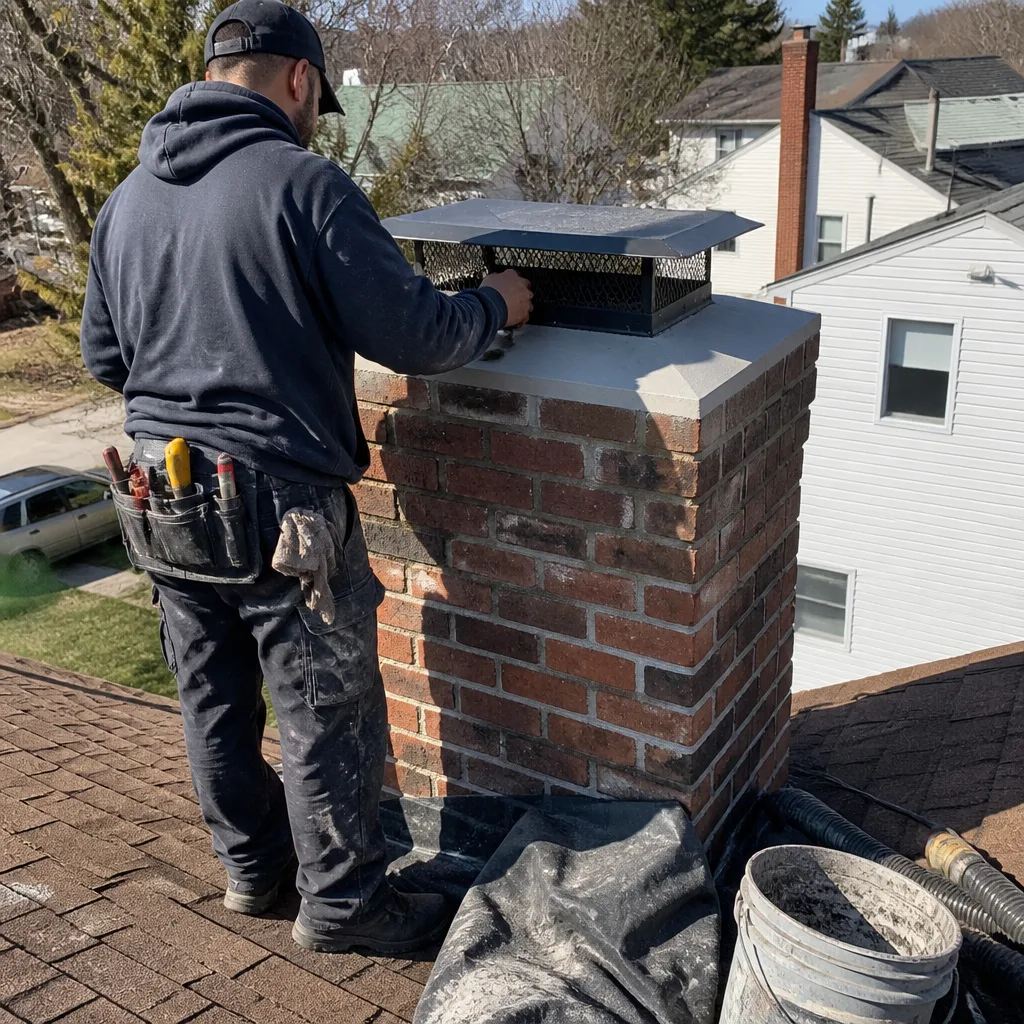 After
After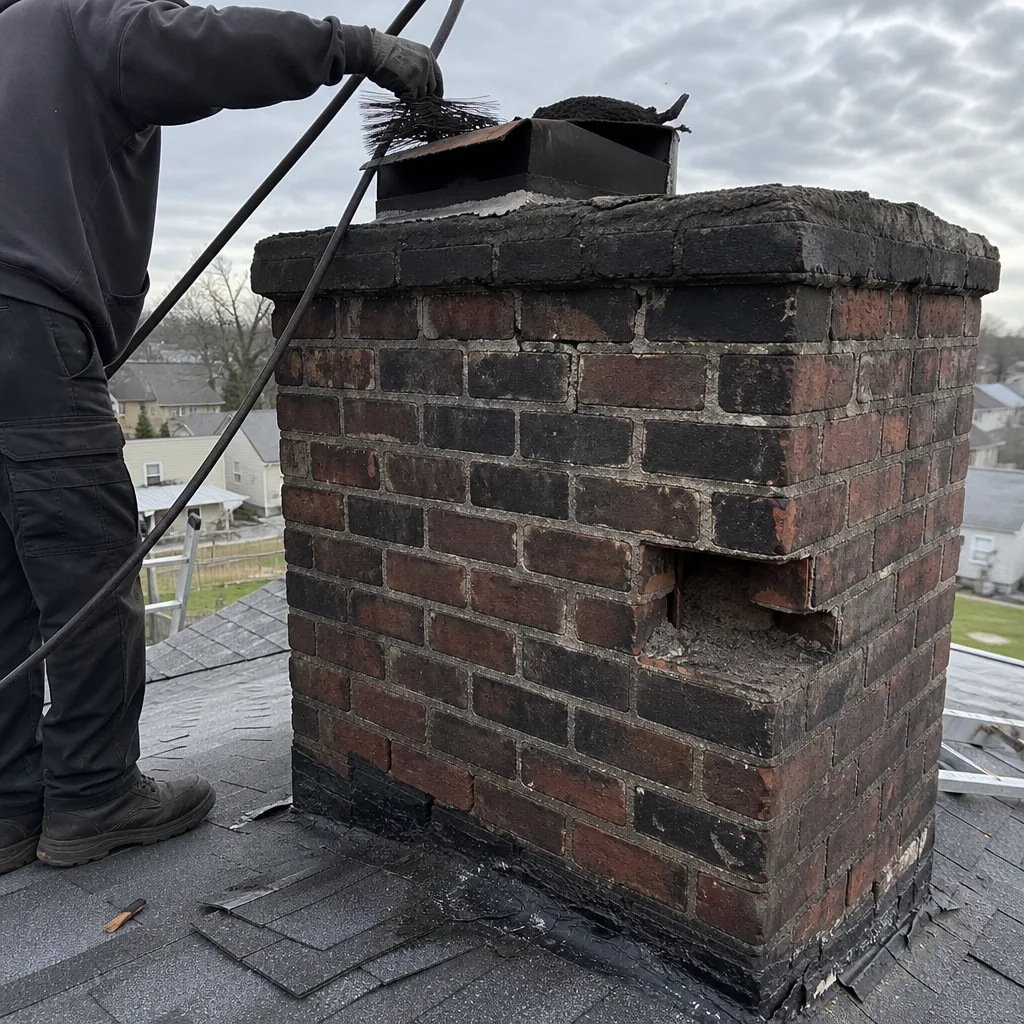 Before
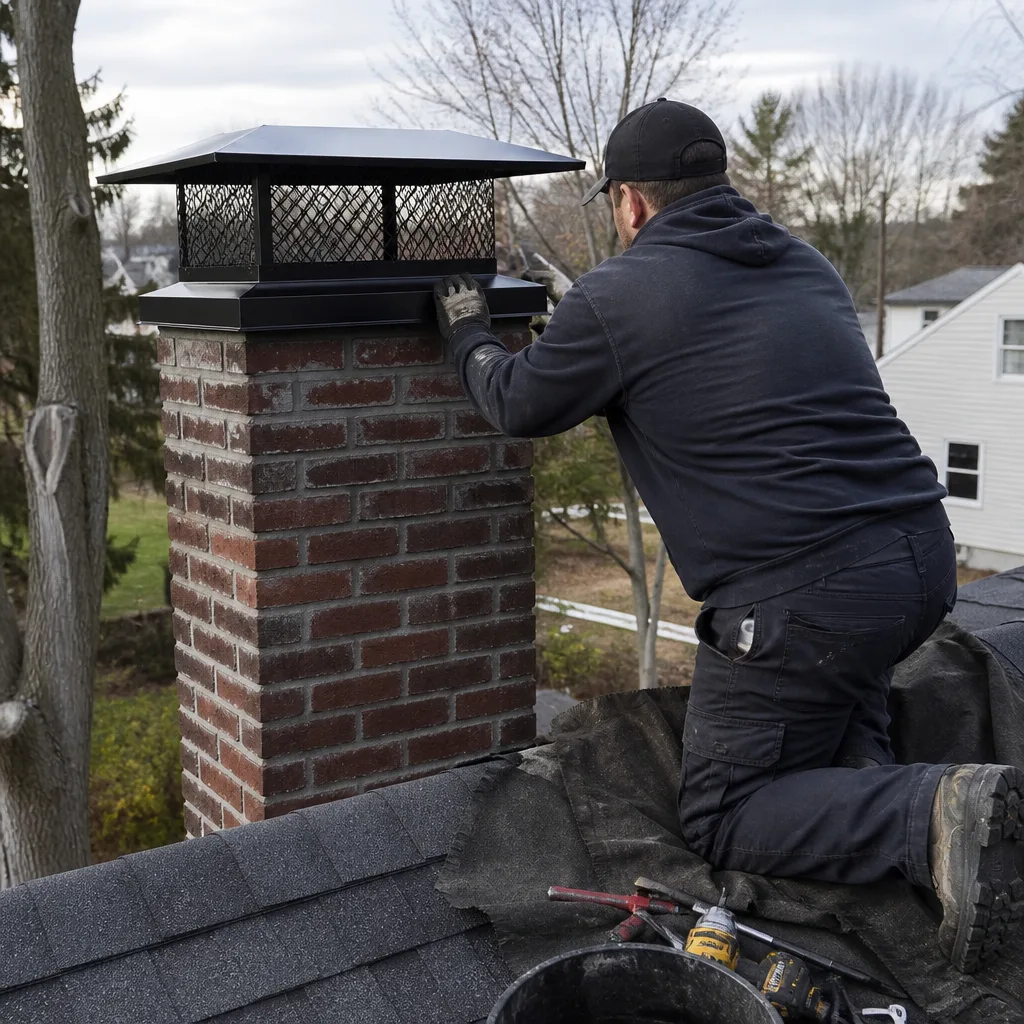 After
After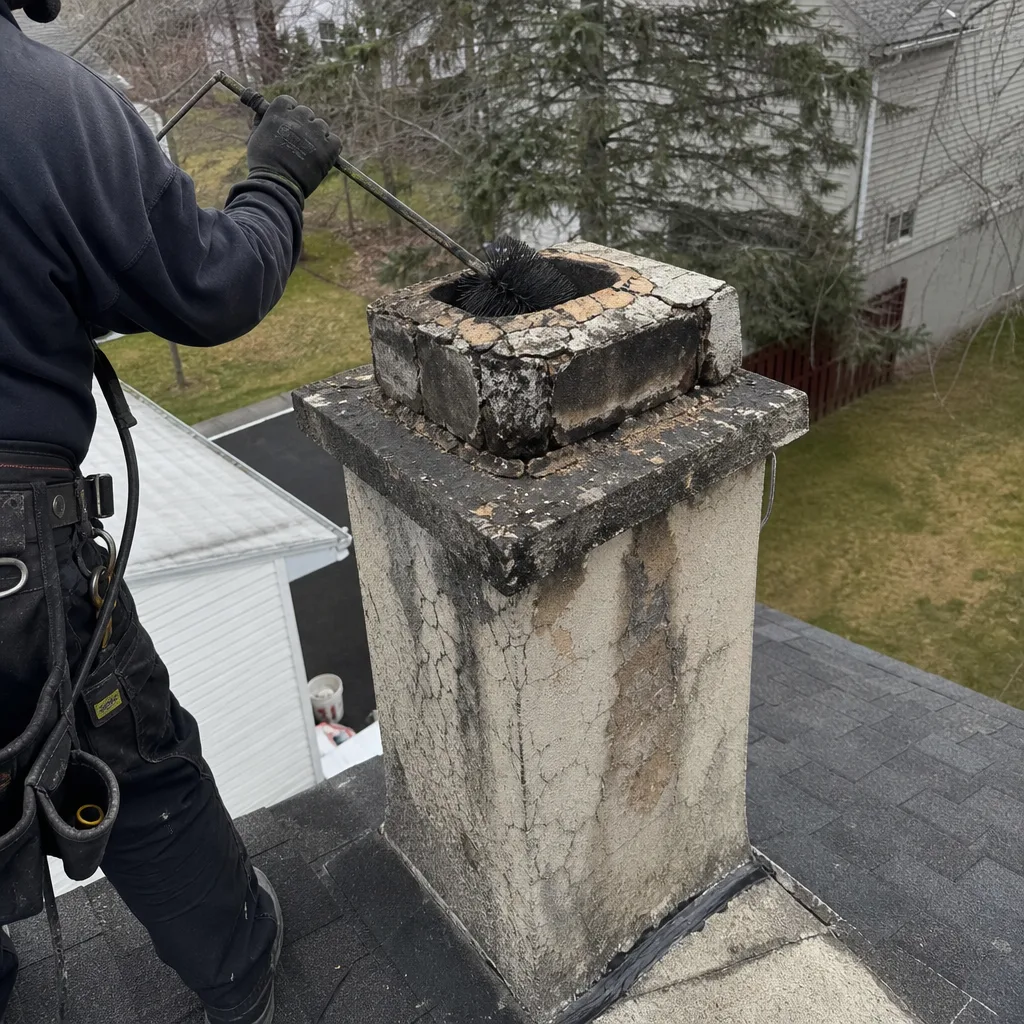 Before
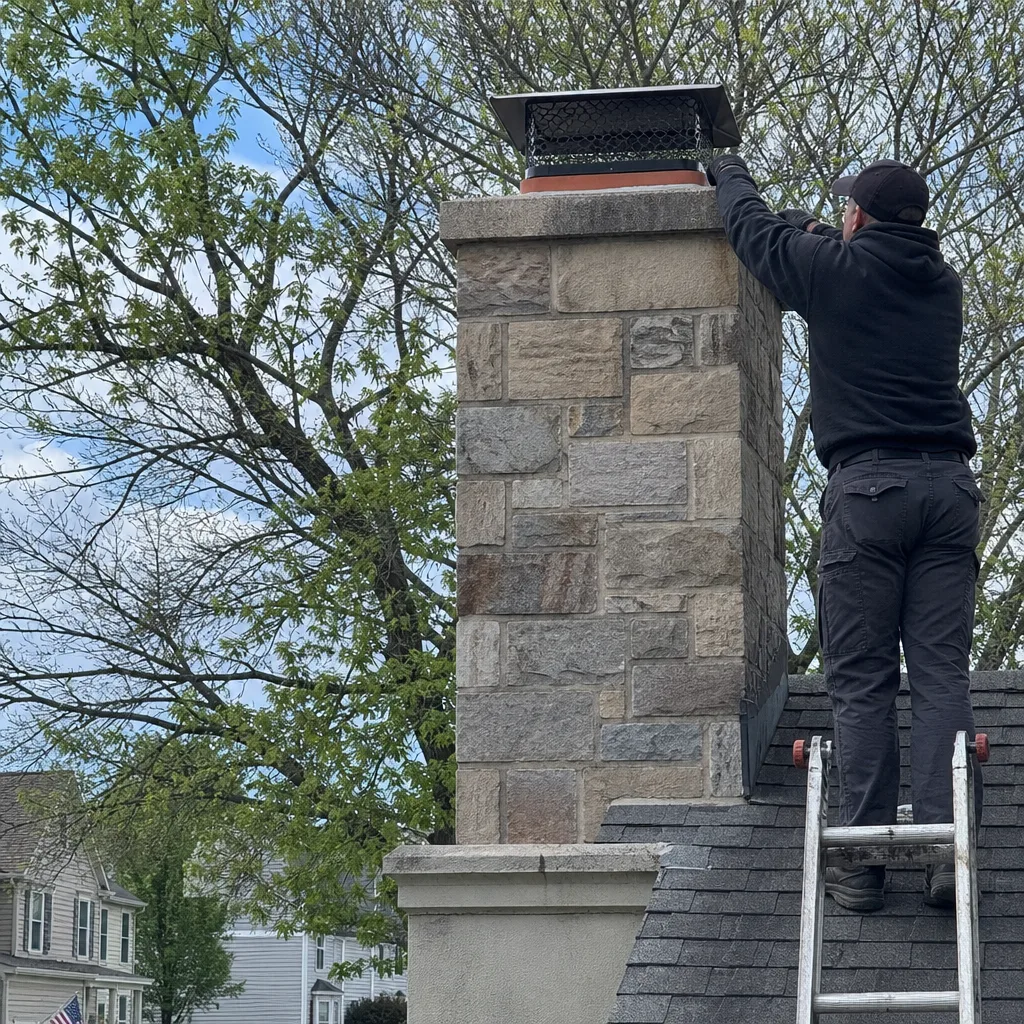 After
AfterChimney Cleaning Permits, Codes & Inspections in NJ: What You Need to Know
Most chimney cleaning jobs in New Jersey don’t require a permit. But liner replacements, firebox rebuilds, and appliance connections often do, and a contractor who doesn’t mention that is either uninformed or uninterested in your liability. In Trenton, we’ve watched homeowners discover too late that unpermitted work voided their insurance claim after a chimney fire, or that a skipped inspection meant their $4,000 liner installation had to be partially dismantled for the building inspector to verify clearance to combustibles. This guide - alongside our Complete Guide to Chimney Cleaning in Trenton - gives you the plain facts about when permits matter, which codes actually apply, and how to protect yourself from contractors who treat permits as optional or as a scare tactic.
Quick Answer
Routine chimney sweeping and cleaning in New Jersey requires no permit. Work that alters the structure, changes the appliance type, or replaces a liner typically triggers a permit under the New Jersey Uniform Construction Code (UCC), enforced locally in Trenton by the City of Trenton Division of Inspections. A Level-2 camera inspection per NFPA 211 is the standard for real estate transactions and appliance changes, and carbon monoxide detectors are required on every level of NJ homes with fuel-burning equipment.
Table of Contents
- Routine Cleaning vs. Permitted Work: The Real Divide
- How NJ’s Uniform Construction Code and NFPA 211 Actually Work Together
- Mercer County and City of Trenton Permit Requirements
- Carbon Monoxide Detectors and Chimney Inspection Obligations
- How to Verify a Contractor Pulled the Right Permit
- What Trenton Inspectors Actually Check During Chimney Inspections
- Your Exposure When Work Is Done Without a Permit
- Chimney Requirements When Selling a Home in Trenton
Routine Cleaning vs. Permitted Work: The Real Divide
The first thing to understand is that New Jersey draws a sharp line between maintenance and modification. This distinction matters because it determines whether you’re writing a check for a permit fee and waiting for an inspection, or simply scheduling a routine service call.
No permit required: Annual sweeping, creosote removal, basic firebox cleaning, damper adjustment, and standard chimney cap or crown repairs that don’t alter dimensions or materials. These are classified as maintenance under the UCC. A chimney cleaning and sweep in Trenton falls squarely in this category. We’ve performed thousands of these over 42 years without a single permit.
Permit typically required:
- Chimney liner replacement or relining (stainless steel, aluminum, or cast-in-place)
- Firebox rebuild or reconstruction
- Installation of a wood-burning, pellet, or gas insert into an existing fireplace
- Construction of a new chimney or significant structural modification
- Conversion from one fuel type to another (e.g., wood to gas)
- Repair or replacement of chimney structure below the roofline affecting load-bearing elements
The confusion arises because some contractors blur this line. We’ve encountered competitors in the Trenton market who tell homeowners that any “repair” needs a permit, inflating their bid with permit fees for work that doesn’t require one. Conversely, we’ve seen one-truck operators replace liners without permits entirely, leaving the homeowner with no documentation that the work meets code.
In our experience, the tell is specificity. A legitimate contractor will cite the specific code section triggering the permit requirement, not speak in generalities about “city requirements.” If you’re unsure, the City of Trenton Division of Inspections at 319 East State Street will confirm whether your specific scope needs a permit. We encourage our customers to verify independently. A company with nothing to hide doesn’t fear questions.
How NJ’s Uniform Construction Code and NFPA 211 Actually Work Together
New Jersey adopted the Uniform Construction Code (UCC) in 1975, making it one of the first states to standardize building regulations across all municipalities. The UCC references NFPA 211 (Standard for Chimneys, Fireplaces, Vents, and Solid Fuel-Burning Appliances) as the technical standard for chimney construction and maintenance. But the relationship between these two documents is where contractors often mislead homeowners.
The UCC is law. NFPA 211 is a standard incorporated by reference. This means NFPA 211’s provisions become enforceable in New Jersey only to the extent the UCC adopts them. The current UCC, updated through the New Jersey Department of Community Affairs, adopts NFPA 211 in its entirety for new construction and substantial alterations. For existing chimneys, the UCC enforcement focuses on unsafe conditions rather than full retroactive compliance with every NFPA 211 provision.
What this means practically for Trenton homeowners:
- New liner installation: Must comply with current NFPA 211 clearances, material specifications, and connection requirements. The permit process ensures this compliance is verified by inspection.
- Existing chimney in continued use: Must be maintained in safe condition. Annual sweeping per NFPA 211.1 is recommended practice but not a permit-triggering event. However, if a Level-2 inspection reveals a hazardous condition (spalling tile, deteriorated mortar, improper clearance), the UCC gives the local inspector authority to require remediation.
- Real estate transaction: No state law mandates a chimney inspection for home sales. But mortgage lenders and insurers increasingly require documentation of chimney condition, and the NFPA 211 Level-2 inspection has become the de facto standard. In Trenton’s older neighborhoods like Mill Hill and Berkeley Square, where chimneys often date to the 1920s, we’ve seen sales delayed because no inspection documentation existed.
The brands we install - HeatShield for cerfractory flue repair, Gelco for caps and spark arrestors, Olympia Chimney for stainless steel liners - are specified in our proposals with their NFPA 211 compliance certifications. This matters because substandard materials can fail inspection even when installation technique is correct. A contractor who won’t specify brands or provide material data sheets is cutting a corner you’ll pay for later.
Mercer County and City of Trenton Permit Requirements
Mercer County does not operate a county-level building department. All permits for chimney work in Trenton are issued by the City of Trenton Division of Inspections, which enforces the UCC as the local authority having jurisdiction (AHJ). This is important because permit requirements and fees vary across New Jersey municipalities, and advice from a contractor based in Princeton or Hamilton may not apply to your Trenton property.
Permit fees in Trenton (subject to change - verify current rates):
- Mechanical permit for appliance connection/insert installation: typically $75-$150 base fee plus plan review if required
- Building permit for structural chimney work, rebuild, or new construction: based on project valuation, often $200-$500 for residential scope
- Electrical permit if running new power to a gas insert or fan system: separate trade permit, typically $50-$100
The permit process for chimney work in Trenton:
- Contractor or homeowner submits application with scope description, materials list, and often manufacturer installation instructions for liners or inserts
- Plan review by Division of Inspections (timeline varies; simple mechanical permits may be same-day, structural work may take 1-2 weeks)
- Permit issuance with required inspection stages noted on the card
- Rough inspection (for concealed work like liner installation - must occur before closure)
- Final inspection after completion
- Certificate of Approval or Certificate of Completion issued
We pull permits for all work requiring them, and we schedule inspections around our work calendar so the job isn’t delayed. A permit left open because no one called for final inspection can create a cloud on title when you sell. We’ve helped Trenton homeowners close stale permits that previous contractors abandoned - an unnecessary headache that costs time and sometimes additional inspection fees.
One Trenton-specific note: Properties in the Mill Hill Historic District or other designated historic zones may have additional review requirements for exterior chimney modifications visible from the street. The Division of Inspections coordinates with the Trenton Historic Preservation Office on these. Always ask if your property is in a historic district before planning exterior work.
Carbon Monoxide Detectors and Chimney Inspection Obligations
New Jersey’s Carbon Monoxide Detector Law (N.J.S.A. 55:184A-1 et seq., effective 2010, amended 2018) requires CO detectors on every level of single-family and two-family homes with fuel-burning appliances, attached garages, or fireplaces. This law intersects with chimney safety in ways many homeowners don’t realize.
The law doesn’t explicitly require chimney inspection. But the mechanism of CO poisoning from chimneys - blocked flues, cracked liners, or negative pressure pulling combustion gases into living spaces - means a functioning CO detector is your last line of defense after proper chimney construction and maintenance. In Trenton’s older housing stock, particularly in neighborhoods like Chambersburg and Villa Park where original construction may have unlined chimneys or degraded terra cotta flues, this intersection is critical. See our Chimney Cleaning Warning Signs: A Trenton Homeowner’s Reference Guide for what to watch for.
When CO detector requirements trigger chimney inspection obligations:
- Adding any fuel-burning appliance: NJ UCC requires permit and inspection. The inspection includes verification of chimney adequacy for the appliance, which may reveal that a Level-2 camera inspection is needed to document flue condition.
- Home sale: While no state law mandates chimney inspection, the NJ Seller’s Disclosure Statement asks about known defects in heating systems and fireplaces. A seller who knows of chimney damage and doesn’t disclose it faces liability. A documented Level-2 inspection protects both parties.
- Insurance requirements: Some homeowner policies now require proof of annual chimney maintenance for wood-burning systems, and CO detector compliance is often a condition of coverage for fuel-burning equipment.
- After any CO alarm: If your detector alarms and the source is traced to a chimney or venting issue, the fire department or utility may red-tag the appliance. Resolution requires documented repair and often reinspection.
We install Famco chimney caps and draft-inducing products that help prevent the downdraft conditions that contribute to CO spillage in tight modern homes. But no cap replaces a sound flue and proper draft. Our Level-2 inspections end with photos you can see and a plain-English verdict on whether your chimney system meets the safety margin that makes CO alarms a backup, not a primary defense.
How to Verify a Contractor Pulled the Right Permit
A permit pulled is not necessarily a permit pulled correctly. We’ve seen three common failures in the Trenton market that leave homeowners exposed despite paying for “permitted work.”
First, the wrong permit type. A mechanical permit for an appliance installation doesn’t cover structural chimney rebuilding. If your contractor pulls only a mechanical permit for work that includes firebox reconstruction, the structural elements were never inspected. Verify by checking the permit description against the actual scope. The permit card should list all trade categories involved.
Second, permit in the contractor’s name without homeowner notification. New Jersey allows permits to be issued to licensed contractors as agents for the property owner. But you should receive a copy of the permit application with your property address, scope description, and permit number. If the contractor won’t provide this, call the Trenton Division of Inspections directly with your address and ask what permits are active or recently completed.
Third, permit pulled but inspection never called. An open permit is worse than no permit in some respects - it signals work was started but not completed to code, and it can block future permits on the same property. Here’s how to verify completion:
- Obtain the permit number from your contractor or the Division of Inspections
- Request a copy of the inspection record - in Trenton, this may require an Open Public Records Act (OPRA) request, but most building departments will confirm inspection status informally
- Verify the Certificate of Approval or Completion was issued
- For liner installations, confirm the inspection included verification of the liner listing (UL 1777 for stainless steel) and proper sizing per NFPA 211
A legitimate contractor has no objection to this verification. We provide permit numbers proactively and explain what each inspection covered. The 90-Day Done Right Promise covers our work regardless, but proper permitting is what protects you from the contractor who disappears.
What Trenton Inspectors Actually Check During Chimney Inspections
Understanding what an inspector verifies helps you evaluate whether your contractor’s work will pass and what documentation you should retain. Trenton building inspectors, like those throughout New Jersey, follow the International Code Council (ICC) certification standards and the specific UCC amendments adopted by the state.
Rough inspection (for concealed work):
- Liner material and listing label visible (stainless steel gauges, alloy type)
- Clearance to combustibles at the chimney pass-through (typically 2 inches for listed liners, 9 inches for unlined masonry in older construction where grandfathered)
- Proper support and connection at the appliance and chimney top
- Termination height and clearance above roof per NFPA 211
Final inspection:
- Visual confirmation of completed installation matching approved plans
- Operational test of appliance (gas) or draft verification (solid fuel)
- CO detector presence and location verification for fuel-burning installations
- Spark arrestor/cap installation for solid fuel
What a passed inspection certifies: That the work, as visible to the inspector at the time of inspection, complies with the code provisions enforced at the time of permit issuance. It does not certify future performance, guarantee the absence of concealed defects, or extend to portions of the chimney system not included in the permit scope.
What it does not certify: The condition of the entire chimney above and below the work area, the adequacy of the original construction for current use, or the absence of pre-existing damage. This is why we recommend - and many Trenton homeowners request - a Level-2 camera inspection even when no permit is required. The inspector’s mandate is code compliance for the permitted scope. Our mandate is your complete system safety.
In Trenton’s climate, with freeze-thaw cycles that accelerate masonry deterioration and summer humidity that promotes creosote buildup, a passed inspection on new work doesn’t mean your 1920s chimney crown isn’t cracked. We document what we see, permit or no permit, because photos you can see and a plain-English verdict are how you make informed decisions.
Your Exposure When Work Is Done Without a Permit
The risks of unpermitted chimney work are concrete, not theoretical. We’ve encountered each of these scenarios in our 42 years serving Mercer County homeowners.
Insurance claim denial: Homeowner’s insurance policies contain provisions excluding coverage for damage resulting from work done without required permits. After a chimney fire, the insurer’s investigator will request permit records. If a liner was installed without permit and inspection, and that liner is implicated in the fire’s spread, coverage for structural damage may be denied. We’ve seen this twice in Trenton, both times involving contractors who are no longer in business.
Resale disclosure liability: New Jersey’s seller disclosure form asks about “any work done without required permits.” Answering falsely exposes you to post-sale litigation. Answering truthfully may require retroactive permitting, which in Trenton can mean opening walls or dismantling work for inspector access - at your expense.
Municipal enforcement: The UCC grants inspectors authority to issue violation notices and require removal or correction of unpermitted work. In practice, this is often triggered by a complaint (neighbor, subsequent contractor, or insurance event) rather than proactive inspection. But the penalty includes not just permit fees but potential fines and the cost of corrective work.
Liability in fire or injury: If unpermitted chimney work contributes to a fire that damages neighboring property or injures occupants, the absence of permit and inspection documentation weakens your defense in civil litigation. The contractor’s liability insurance may also exclude claims arising from unpermitted work.
The contractor who skips permits to save you money is saving himself time and accountability. At Hearthstone Chimney Co. home, we pull permits for everything requiring them, build the cost into our upfront pricing with no surprises on the bill, and deliver the documentation you need for your records. Done right - and we stand behind it.
Chimney Requirements When Selling a Home in Trenton
Trenton’s real estate market includes significant inventory of pre-war homes with original masonry chimneys. Buyers, lenders, and insurers have grown more attentive to chimney condition, particularly after several high-profile chimney fires in Mercer County made regional news.
No New Jersey law mandates a pre-sale chimney inspection. But practical requirements have emerged:
- Mortgage lenders: May require evidence of chimney safety for wood-burning fireplaces, particularly in homes without recent service records
- Home insurers: Increasingly require inspection documentation before binding coverage on homes with active fireplaces or solid fuel appliances
- Buyer inspection contingencies: Often include chimney evaluation; a pre-listing Level-2 inspection with documentation can prevent last-minute negotiation surprises
- Condominium and townhouse associations: May have specific maintenance and inspection requirements for shared chimney structures
In neighborhoods like Berkeley Square and Hillcrest, where homes from the 1910s-1930s dominate, we recommend sellers obtain a Level-2 inspection before listing. This allows time to address issues without the pressure of a closing timeline, and provides documentation that can be presented to buyers as evidence of maintenance. The $250-$400 inspection cost often prevents $2,000-$5,000 in last-minute credits or lost deals.
Our fireplace services in Trenton include pre-sale inspections with written reports suitable for disclosure packages. We note what requires immediate attention, what can be monitored, and what represents normal aging - no upsell, just the facts a buyer’s inspector will find anyway.
Common Mistakes to Avoid
- Assuming all chimney work needs a permit. Routine sweeping doesn’t, and a contractor who claims otherwise may be padding the bill or deflecting from their lack of proper licensing for actual permit-required work.
- Accepting “the homeowner pulls the permit” without explanation. In New Jersey, homeowners can pull their own permits, but this makes you the responsible party for code compliance. A licensed contractor should handle permitting for work they perform.
- Neglecting to verify permit closure. An open permit can block future work and create title issues. Always confirm final inspection and certificate issuance.
- Confusing a home inspector’s visual review with a Level-2 chimney inspection. General home inspectors in Trenton typically don’t run camera equipment or access the full flue length. Their “chimney looks fine” doesn’t substitute for NFPA 211-compliant evaluation.
- Ignoring CO detector requirements when adding or converting appliances. The detector installation is often a separate trade permit, and its absence can fail your final inspection even if chimney work is perfect.
- Hiring based on lowest bid without permit verification. A bid $500 below competitors may reflect skipped permitting, inferior materials, or uninsured labor. The number on our estimate is the number on the invoice - and it includes everything required to do the job correctly.
When to Call a Professional
Call a sweep when your annual maintenance is due, when you notice draft problems or odor, or before the burning season begins. For year-round guidance, explore more guides & resources on our blog. Call a qualified chimney contractor - one who discusses permits openly, specifies materials by brand, and documents with photos - when you’re considering liner replacement, appliance conversion, structural repair, or any work that alters your chimney system.
Hearthstone Chimney Co. offers free estimates in Trenton. We’ll tell you honestly whether your scope requires a permit, what the inspection process involves, and what your options are if work can safely wait. No pressure, no surprises. Call (856) 519-0832 - a live person answers, every hour of every day.
Frequently Asked Questions
No. Routine chimney sweeping, creosote removal, and basic maintenance do not require a permit under New Jersey’s Uniform Construction Code. Permits are required for structural modifications, liner replacements, and appliance installations or conversions. If a contractor insists on permit fees for standard sweeping, ask which code section applies and verify with the City of Trenton Division of Inspections.
A stainless steel liner replacement in the Trenton market typically ranges from $2,800 to $5,500 depending on flue count, height, appliance type, and whether the installation requires firebox modification or new connector pipe. Permit fees add $150-$400. We provide no-hassle upfront pricing that includes all materials, labor, permit costs, and inspection scheduling - the number on the estimate is the number on the invoice. Call (856) 519-0832 for an exact quote; estimates are free.
A Level-2 inspection is a camera-assisted evaluation of the entire flue interior, accessible exterior, and connection points, performed per NFPA 211. You need one when buying or selling a home, after a chimney fire or seismic event, when changing appliance type, or when a Level-1 visual inspection suggests concealed damage. In Trenton’s older neighborhoods, we recommend Level-2 inspection before any liner decision - the camera reveals what eyes cannot.
Legally, yes - New Jersey does not mandate pre-sale chimney inspection. Practically, you risk buyer negotiation, insurance binding delays, or post-sale disclosure liability if defects exist. A documented Level-2 inspection before listing lets you address issues on your timeline and present buyers with confidence. Call (856) 519-0832 to schedule; the cost is modest compared to a delayed closing.
You may face insurance claim denial if damage occurs, municipal enforcement requiring corrective work or fines, and liability exposure in fire or injury cases. For resale, you’ll need to disclose the unpermitted work or obtain retroactive permitting, which may require exposing concealed work for inspector access. If you discover this situation, contact the Trenton Division of Inspections to discuss voluntary compliance options before a complaint forces the issue.
NFPA 211 recommends annual inspection and sweeping as needed based on use. In Trenton, with our humid summers that promote creosote hydration and freeze-thaw winters that stress masonry, annual sweeping for wood-burning systems is prudent maintenance. Gas systems should be inspected annually for venting integrity and debris obstruction. The 90-Day Done Right Promise covers our work, but regular maintenance prevents the conditions that require major repair.
The Bottom Line
Permits and codes exist to create a verifiable standard of safety, not to complicate your life or enrich municipal coffers. The distinction between routine maintenance and permit-required work is clear in New Jersey law, though some contractors obscure it. In Trenton, the City of Trenton Division of Inspections enforces the UCC with reasonable processes - the challenge is contractor compliance, not bureaucratic obstruction.
Protect yourself by asking specific questions, verifying permit status independently, and retaining documentation. A sound chimney system, properly permitted and inspected, protects your home value, your insurance coverage, and your family’s safety. We’ve been doing this work correctly for over 42 years, and we plan to be here when you need us again.
Written by Russell Haines, Owner at Hearthstone Chimney Co., serving Trenton since 2014.