
Last updated September 10, 2026
Level 1 sweep and inspection to the NFPA 211 annual standard - flue, crown, cap, and flashing checked and photographed
Chimney sweep logs do not sweep chimneys. They loosen some creosote - which then falls where a brush and vacuum still have to collect it.
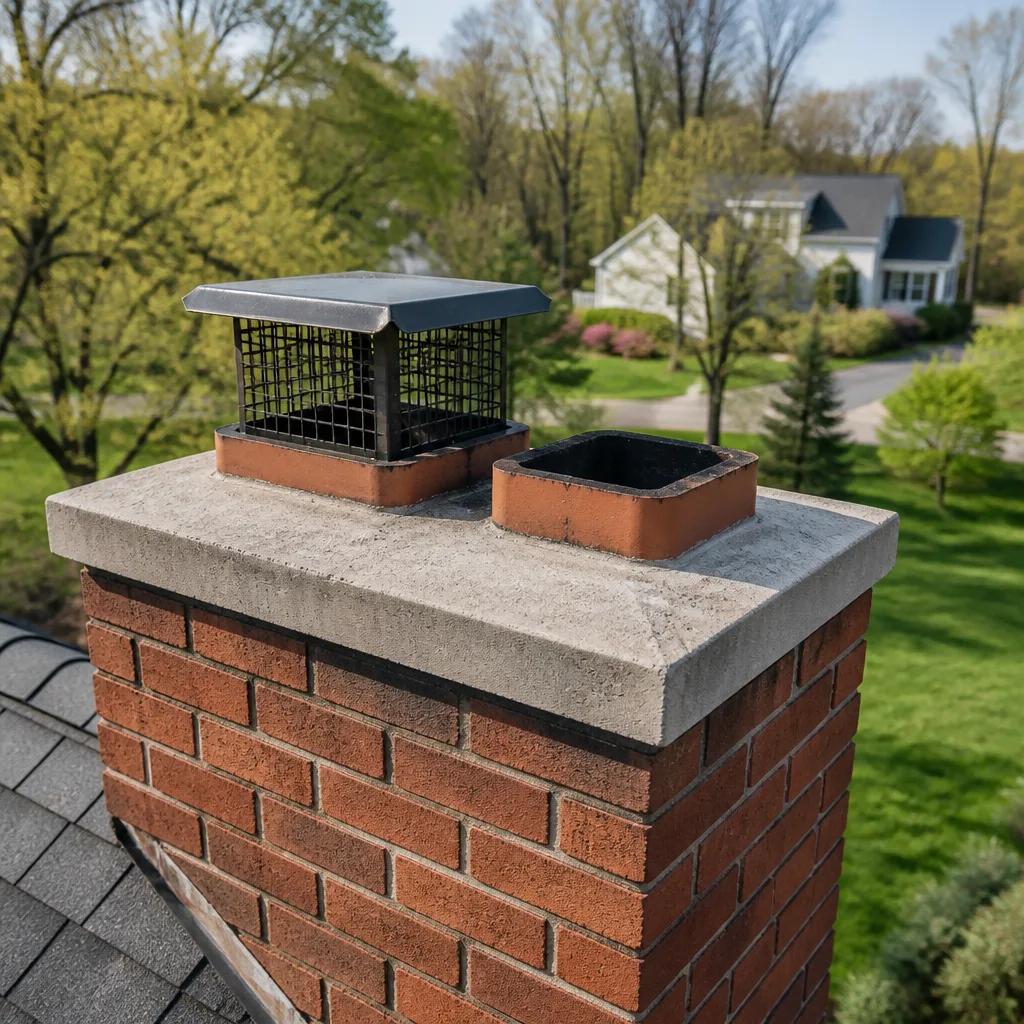
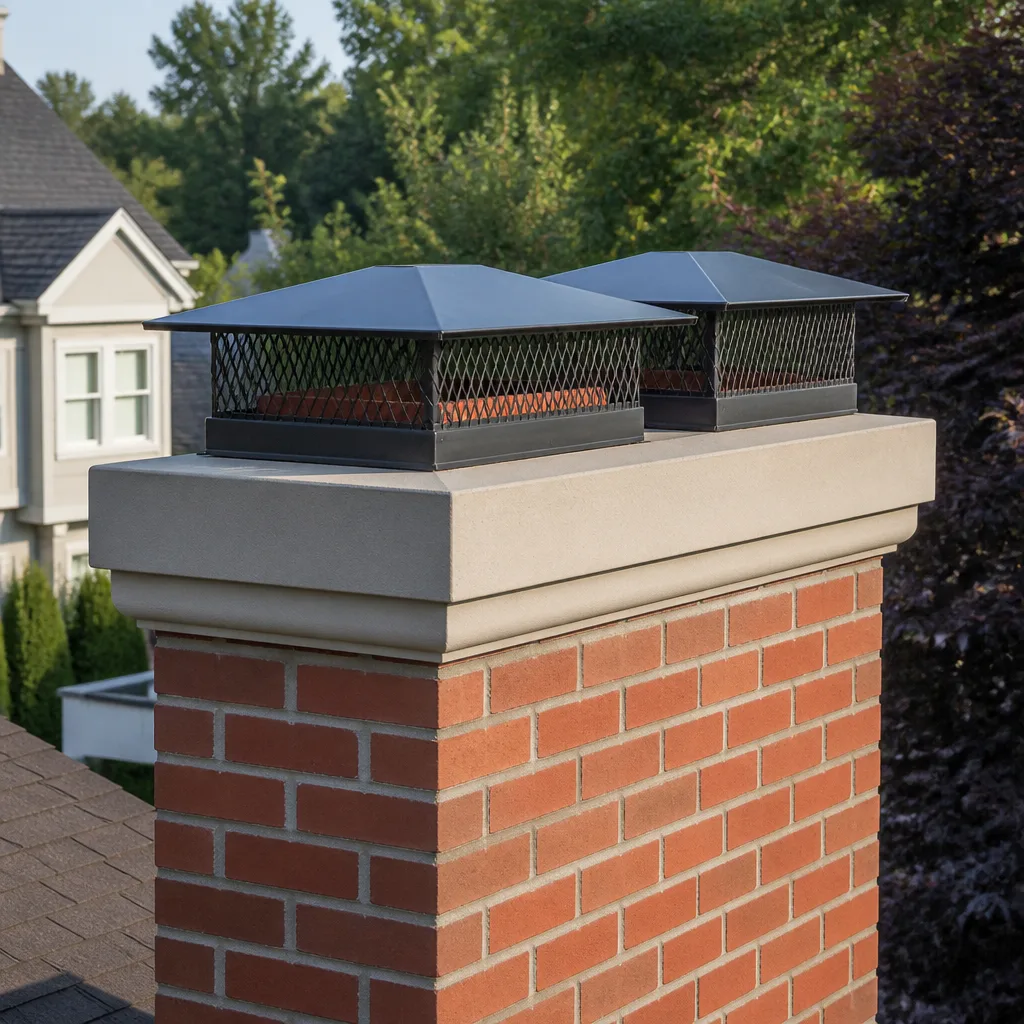
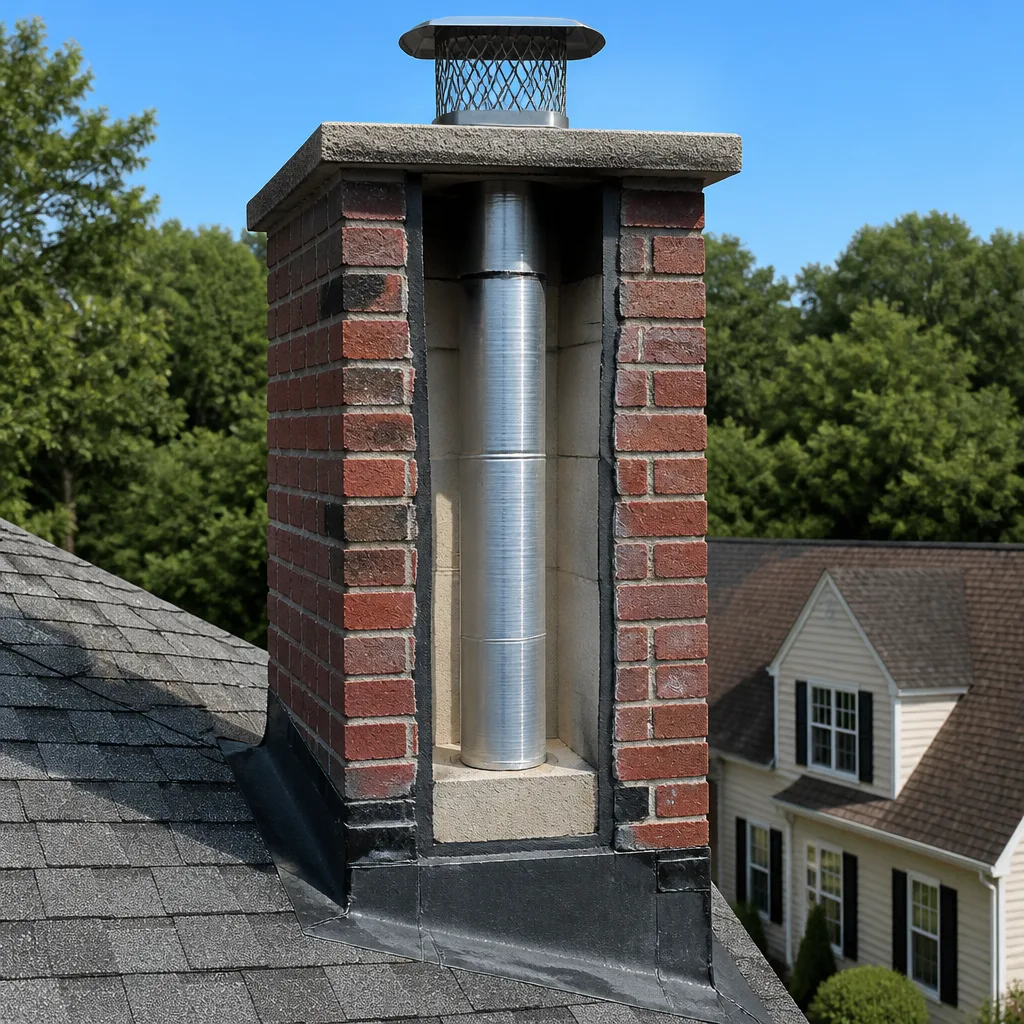
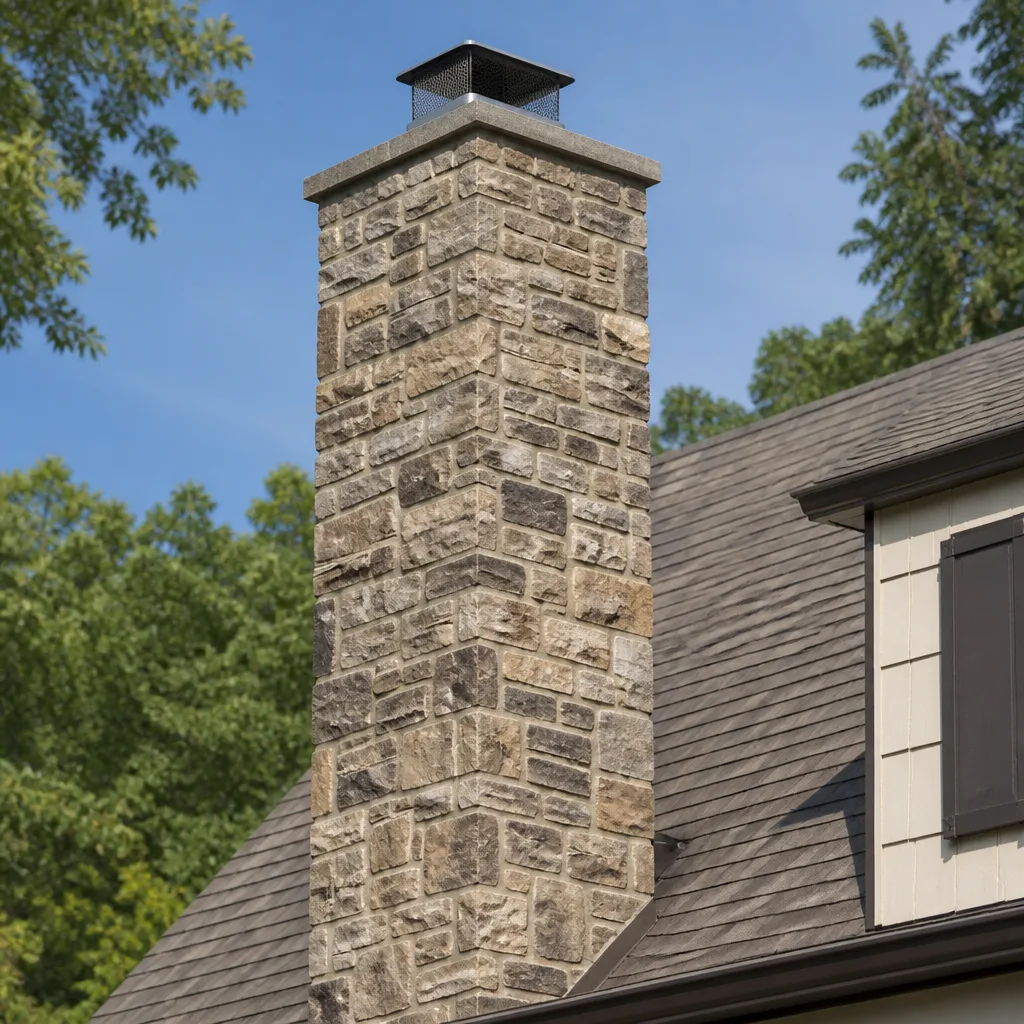
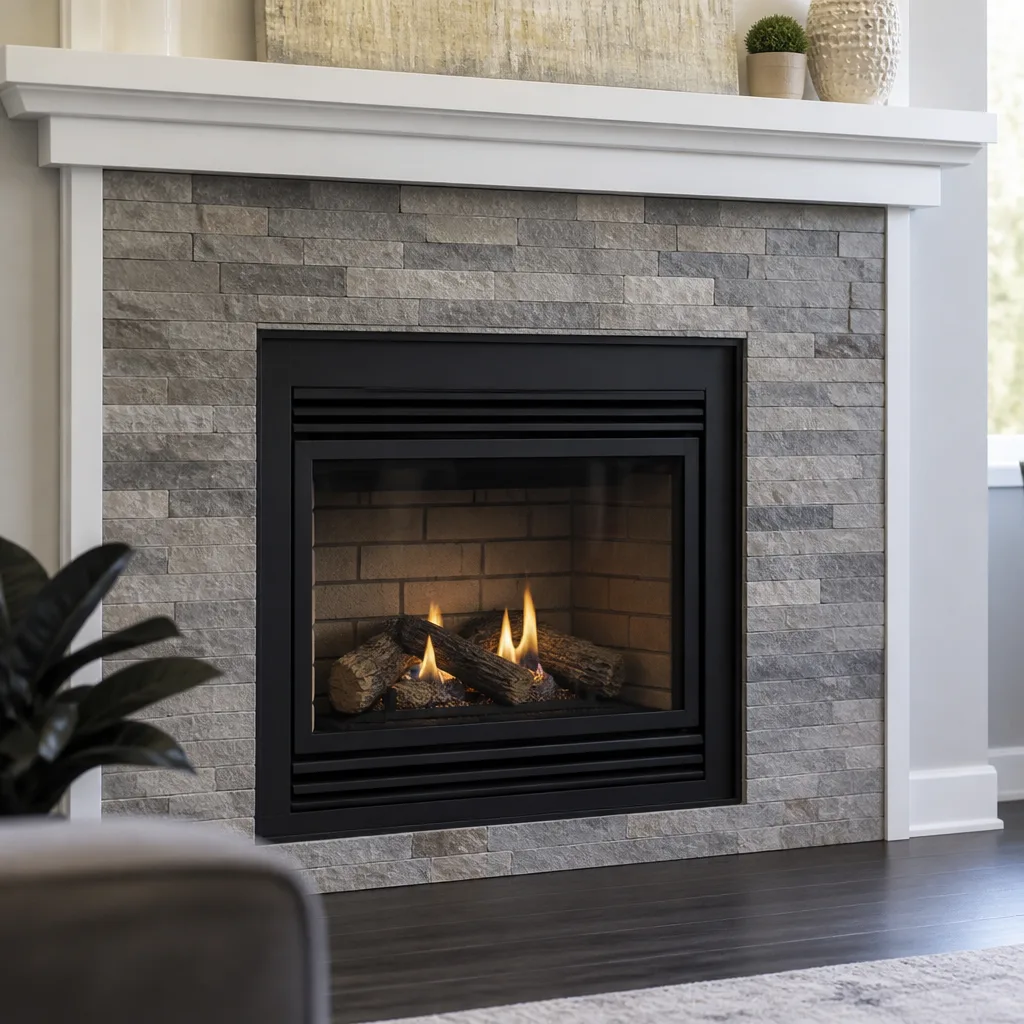
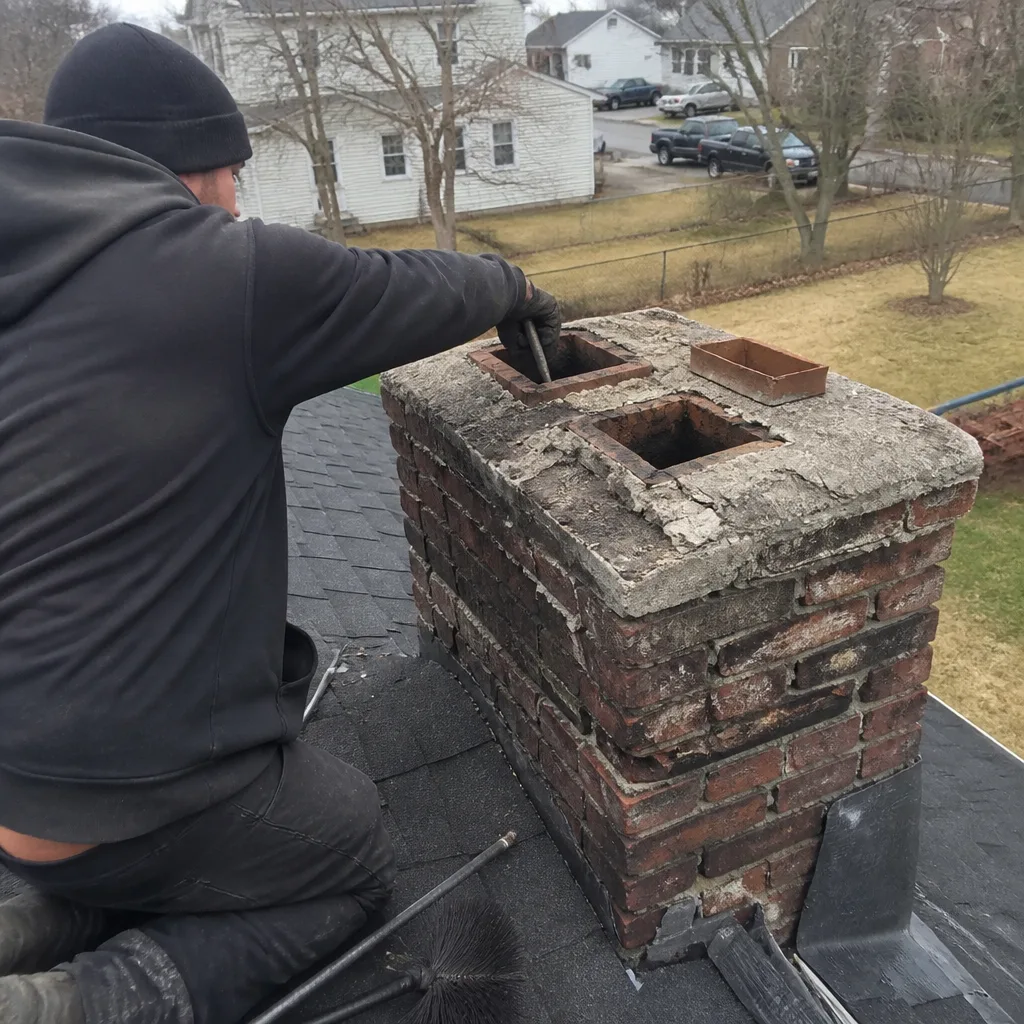 Before
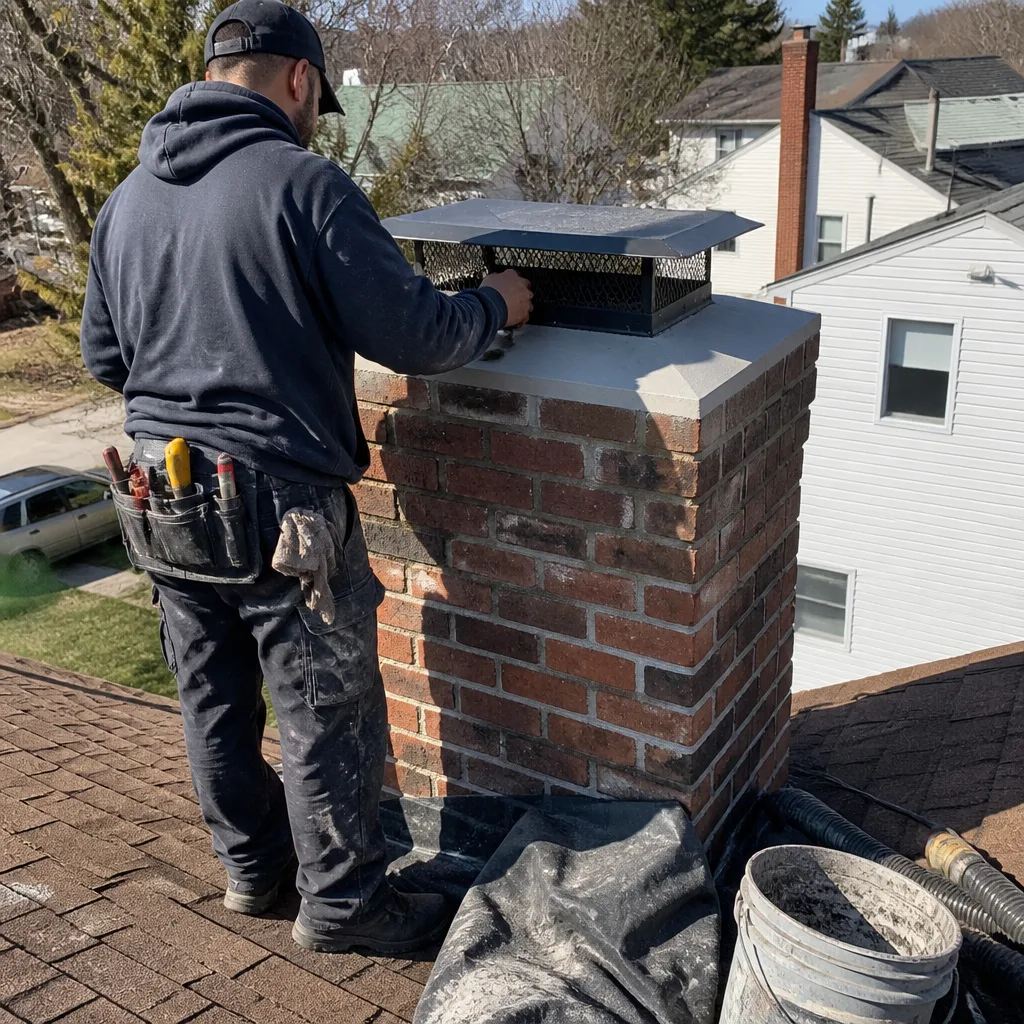 After
After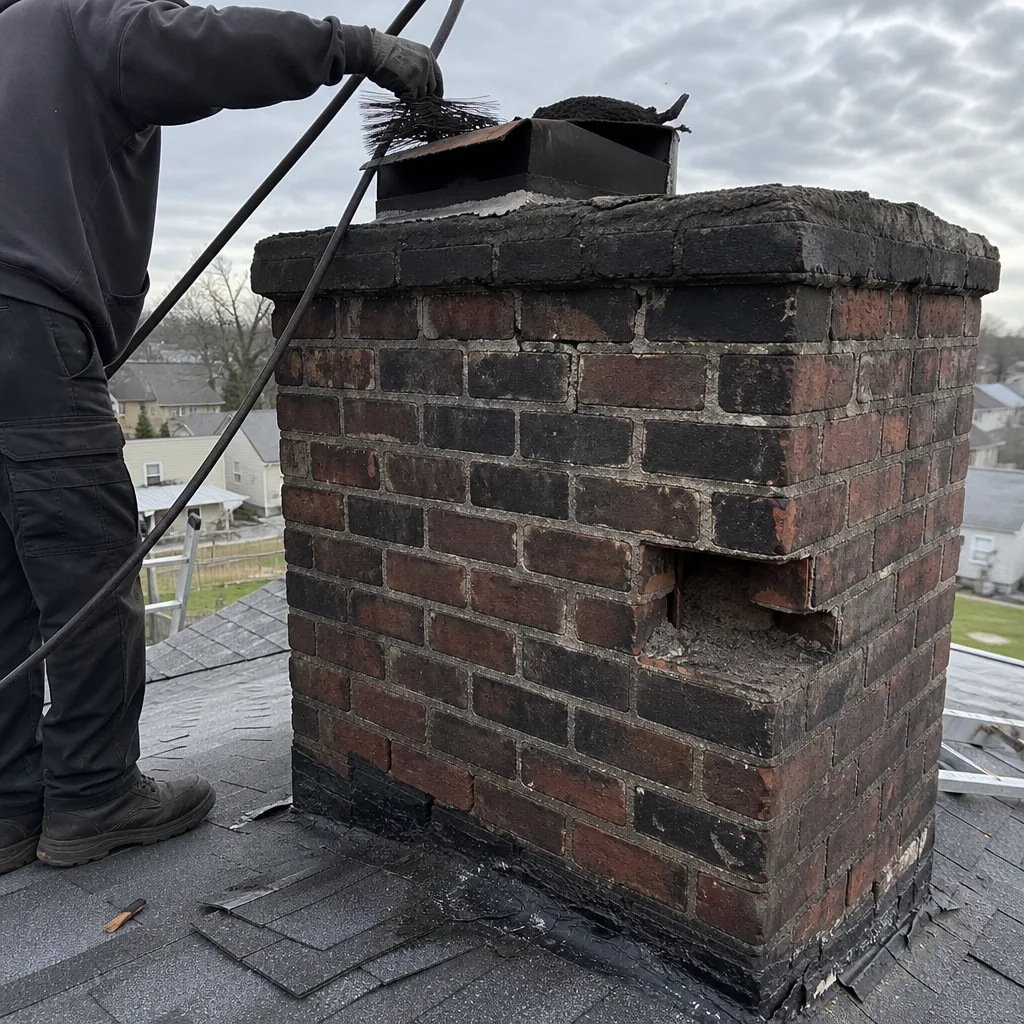 Before
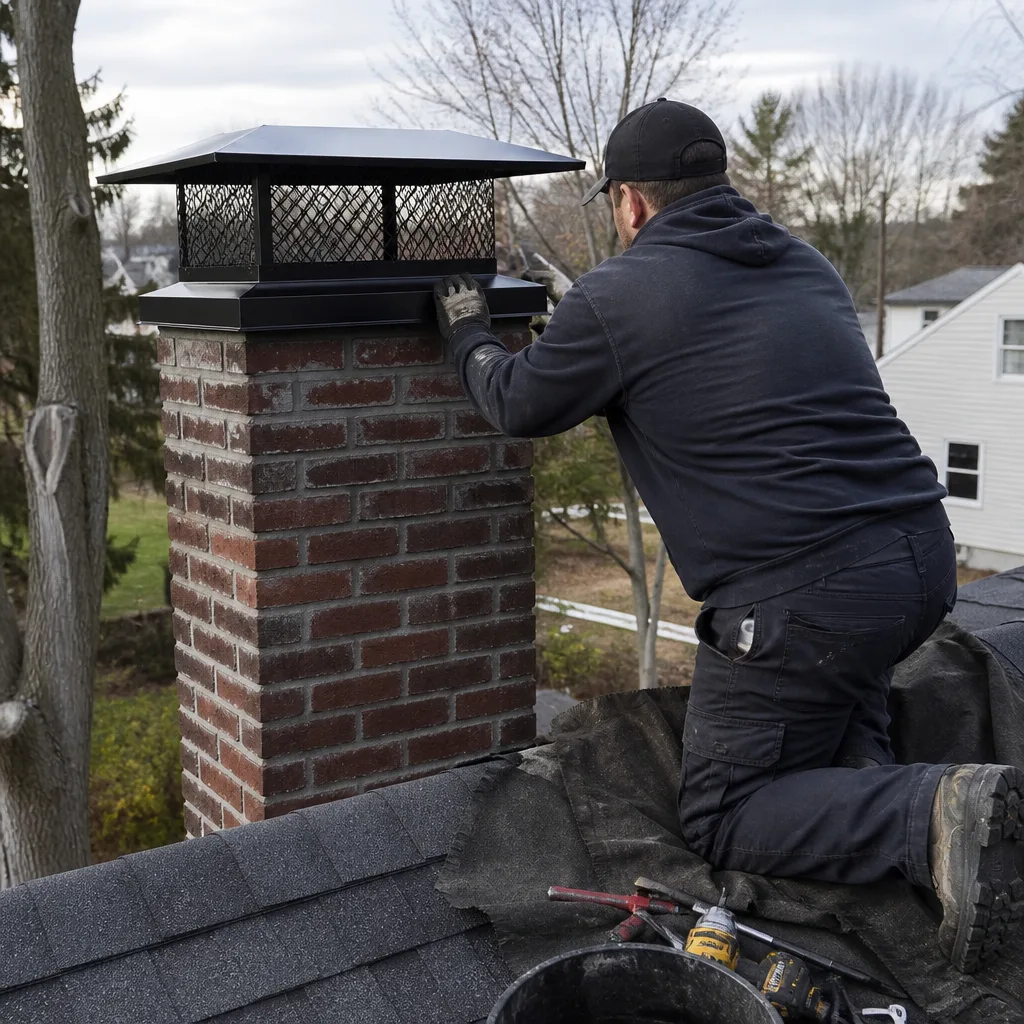 After
After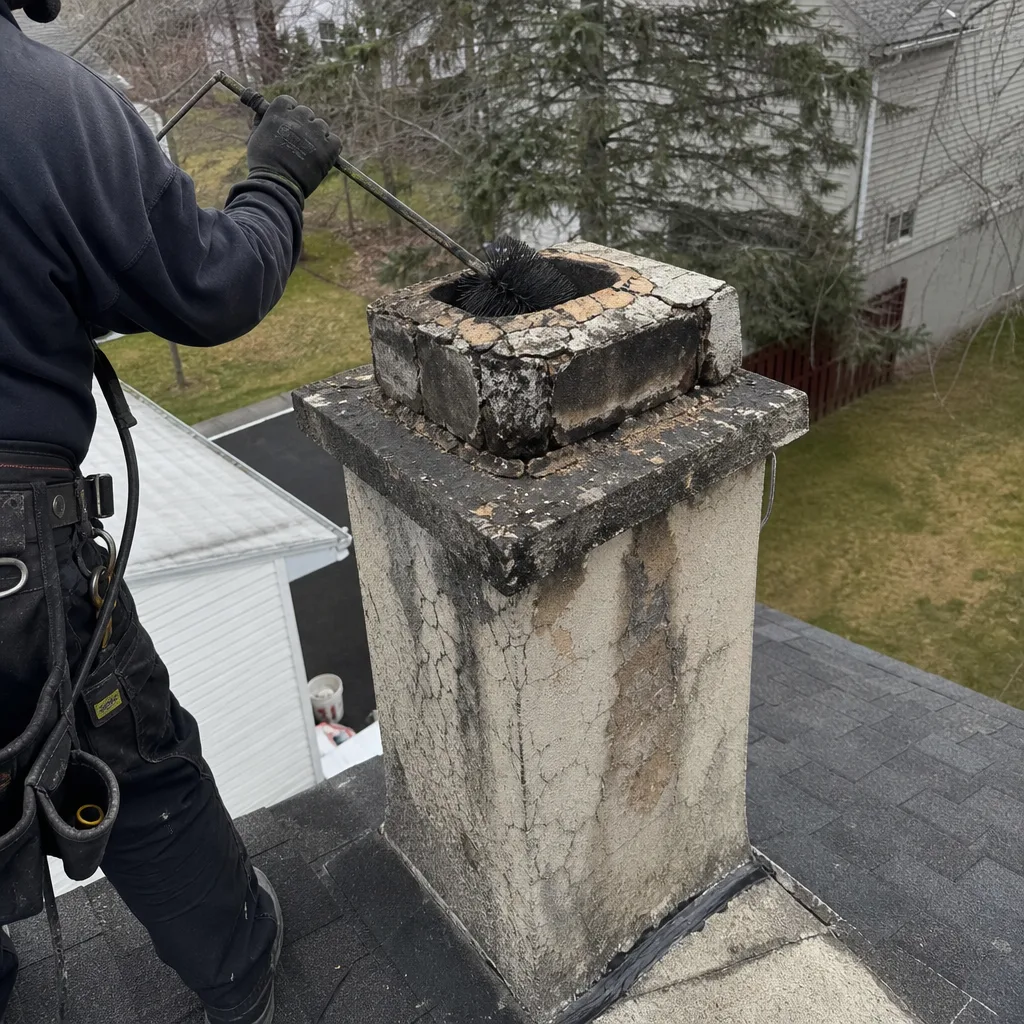 Before
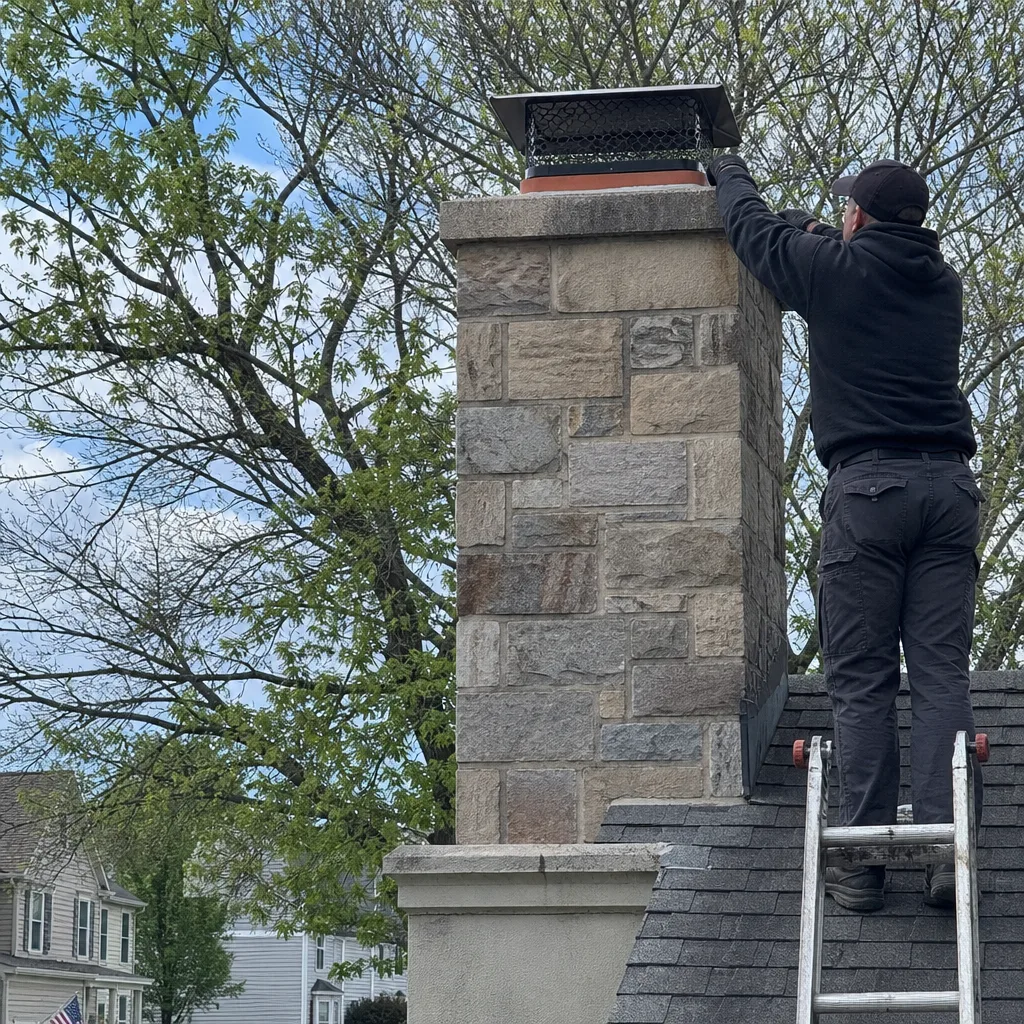 After
AfterThe Complete Guide to Chimney Cleaning in Trenton
A gas-fireplace owner in Trenton who burns twice a week has a fundamentally different chimney than a wood-burning neighbor who lights three fires a year - yet most guides hand both homeowners the identical advice. That mismatch costs money and creates blind spots. In our 42 years serving Mercer County, we’ve seen clay flue liners cracked by Trenton’s freeze-thaw cycles that a standard sweep would miss entirely, and oil flues in Mill Hill row homes choked with sulfuric glaze that wood-burning formulas won’t touch. This guide explains what your specific chimney type, fuel source, and usage pattern actually demand, so you stop treating annual cleaning like a one-size ritual and start treating it like a maintenance decision with real variables.
Quick Answer
Chimney cleaning in Trenton typically costs between $150 and $400 for a standard sweep with Level 1 inspection, while a Level 2 camera inspection runs $250 to $550 - figures we update alongside more guides & resources on local home maintenance. Most wood-burning chimneys need cleaning after every cord of seasoned hardwood or at least annually, gas and oil flues require different schedules and chemistry, and Trenton’s clay-heavy soil and freeze-thaw cycles make the inspection itself at least as important as the sweeping.
Table of Contents
- What Happens During a Professional Chimney Cleaning
- How Trenton’s Climate and Soil Affect Your Chimney
- NFPA 211 Inspection Levels: Which One Do You Need
- Fuel Type Matters: Wood, Gas, and Oil Flue Differences
- Reading Creosote Stages and What Each Costs to Fix
- Photo-Documented Reports vs. Receipt-Only Sweeps
- Choosing a Chimney Sweep in Trenton
- Chimney Cleaning Costs in Trenton
What Happens During a Professional Chimney Cleaning
A proper chimney cleaning is not a vacuum job. It is a systematic removal of combustible deposits combined with a structural assessment of the flue, smoke chamber, damper, and accessible exterior masonry. Here’s what happens when we arrive at a Trenton home:
- Containment setup. We lay protective sheeting from the hearth across the floor and seal the firebox opening to prevent soot migration into your living space.
- Flue sweeping. Using rotary brushes sized to your flue diameter - 6-inch for most modern systems, 8-inch or larger for older masonry - we mechanically dislodge creosote and debris. For clay tile flues, we use polypropylene bristles; for stainless steel liners like DuraFlex, we match the brush to the alloy.
- Smoke chamber and firebox cleaning. The area above the damper collects the most dangerous deposits. We hand-scrape this space and vacuum all loose material.
- Exterior examination. We check the crown, cap, and visible brickwork for water intrusion or freeze-thaw damage.
- Documentation. Every Hearthstone sweep includes written findings. If you’ve booked a Level 2 inspection, this includes dated photos and a plain-English verdict.
The entire process takes 45 minutes to 90 minutes for a standard cleaning, longer if we find conditions requiring immediate attention. We complete most jobs in a single visit, with no-hassle upfront pricing agreed before we start.
What separates a diagnostic cleaning from a janitorial one is what happens after the brushes come out. In Chambersburg and South Trenton, where many homes date to the 1920s, we’ve found flue tiles shifted by decades of thermal cycling that a sweep-only contractor would never flag. The cleaning creates access for the inspection. The inspection determines whether the cleaning was sufficient or whether you’re burning in a compromised system.
How Trenton’s Climate and Soil Affect Your Chimney
Trenton sits on the fall line between the Piedmont and Coastal Plain, with soils heavy in clay and silt that expand when wet and contract when dry. That geological fact reaches your chimney in ways that matter for maintenance scheduling.
Freeze-thaw damage to masonry. Trenton averages 20 to 30 freeze-thaw cycles annually, with January lows regularly dipping below 20°F. Water enters hairline cracks in the crown or mortar joints, expands when it freezes, and widens those cracks incrementally. By spring, a 1/16-inch crack can become a 1/4-inch channel. We’ve replaced crowns in Wilbur that were intact in October and crumbling by March. Cleaning appointments in early fall let us catch this progression before heating season concentrates stress on the structure.
Clay soil and foundation movement. The same expansive clay that cracks basement walls shifts chimney foundations, particularly on older homes with shallow footings. In our experience, homes north of Hamilton Avenue show more vertical cracking in exterior masonry than comparable structures in sandy-soil towns. A cleaning visit includes visual assessment of these patterns. If we see stair-step cracks or separation from the building envelope, we document it and explain what it means for flue integrity.
Humidity and creosote formation. Trenton’s summer humidity, regularly above 70%, means unseasoned firewood absorbs atmospheric moisture even before burning. Wet wood burns cooler, and cooler fires produce more incomplete combustion. The result is accelerated first-degree creosote that can advance to glazed second-degree deposits in a single burning season. We see this most in homes near the Delaware, where prevailing winds drive moisture inland.
The practical implication: a Trenton chimney cleaned annually in a dry climate might need fall inspection and possible mid-season evaluation here, particularly for wood-burning systems in older homes with marginal draft.
NFPA 211 Inspection Levels: Which One Do You Need
The National Fire Protection Association defines three inspection levels, and choosing the wrong one is like bringing a stethoscope to a surgery. Here’s when each applies in Trenton specifically.
Level 1 - Routine maintenance. This is a visual examination of readily accessible portions of the chimney exterior, interior, and connecting appliances, performed without specialized tools. Appropriate when your appliance and venting system are unchanged and you’ve used it as intended. Most annual cleanings include a Level 1. Cost in Trenton: typically included in the sweep price or $100 to $150 standalone.
Level 2 - Real estate transactions, storms, and appliance changes. Required when any of these trigger events occur:
- Sale or transfer of property - Mercer County buyers increasingly request this explicitly
- Chimney fire, lightning strike, or seismic event (the 2011 Virginia earthquake damaged flues as far north as Trenton)
- Installation of new appliance or change of fuel type
- Structural damage to the building
A Level 2 includes everything in Level 1 plus camera inspection of the flue interior, accessible portions of attics and crawl spaces, and written documentation. This is where we use our camera system to photograph every flue section, identify liner degradation, and provide the dated photo report that becomes part of your home’s maintenance record. Cost in Trenton: $250 to $550 depending on accessibility and number of flues.
Level 3 - Suspected hidden hazard. Required when a Level 1 or 2 inspection indicates a concealed hazard that cannot be evaluated without demolition. This is rare - we perform perhaps two Level 3 inspections annually in Trenton - and involves removing portions of the chimney structure to access concealed damage. We only recommend this when we can articulate the specific hazard we suspect and why lesser inspection won’t suffice.
For Trenton homeowners in historic districts like Mill Hill or Berkeley Square, where chimney modifications over 150 years create labyrinthine flue configurations, we often recommend Level 2 even for routine maintenance until we’ve established a baseline. The camera reveals what eyes cannot.
Fuel Type Matters: Wood, Gas, and Oil Flue Differences
The chemistry of combustion residue varies dramatically by fuel, and treating all flues identically is a recipe for missed diagnosis or unnecessary work.
Wood-burning systems. Produce creosote - a tar-like condensation of unburned hydrocarbons that stages from fluffy first-degree (brush-removable) to glazed third-degree (requires chemical treatment or mechanical removal). The creosote section below covers remediation costs. Wood flues need annual inspection if used regularly, and cleaning after every cord of properly seasoned hardwood. Green or unseasoned wood can accelerate buildup by a factor of three.
Gas appliances. Burn cleaner but produce corrosive condensate, particularly in high-efficiency units with cooler flue temperatures. The residue is primarily water vapor with dissolved nitrogen and sulfur compounds. In Trenton’s older homes with orphaned water heaters vented into oversized masonry chimneys, the cool, slow-moving exhaust condenses on flue walls and attacks mortar. We’ve relined dozens of these systems with DuraFlex or HeatShield because the original clay could not withstand the new chemistry. Gas flues need inspection every two to three years, cleaning when deposits measure 1/8 inch or more.
Oil-burning systems. Common in Trenton’s row homes and pre-war stock, particularly in neighborhoods like Chambersburg and North Trenton. Oil combustion produces sulfur dioxide, which combines with moisture to form sulfuric acid. The residue is granular, porous, and highly acidic - different chemistry entirely from wood creosote. Standard wire brushes can polish oil glaze into a glassy surface that impedes draft. We use specialized stainless brushes and, for heavy buildup, mild alkaline cleaners formulated for oil residue. Oil flues should be inspected and cleaned annually - the acid attacks metal connectors and clay liners aggressively, and we’ve replaced connectors in Ewing that failed in under five years from sulfuric corrosion.
The inspection protocol differs too. A gas flue inspection emphasizes condensate patterns and liner corrosion. An oil flue inspection focuses on connector integrity and base corrosion. A wood flue inspection prioritizes creosote staging and combustion air supply. One checklist does not fit all.
Reading Creosote Stages and What Each Costs to Fix
Not all creosote is equal, and understanding the stages helps you see cleaning as prevention with a price curve rather than a flat expense.
First-degree creosote. Fluffy, sooty, black. Forms from dry, seasoned wood burned with adequate air supply. Brush-removable in a standard cleaning. If this is what we find, you’re doing most things right. Remediation: included in standard sweep, $150 to $250 in Trenton.
Second-degree creosote. Crunchy, porous flakes or tar droplets. Indicates cooler fires, marginal draft, or slightly wet wood. Requires more aggressive mechanical removal - harder brushing, possibly chain-flail tools for stubborn sections. Remediation: $200 to $350, sometimes requiring chemical pretreatment if glazed.
Third-degree creosote. Shiny, hardened glaze, often described as “tar baked to the flue.” Forms from prolonged smoldering, unseasoned wood, or restricted air supply. This is the stage that fuels chimney fires - it has low ignition temperature and high fuel value. Removal requires chemical treatment (powdered magnesium catalyst applied over multiple heating cycles to break down the glaze) or mechanical removal with specialized equipment. In severe cases, we recommend HeatShield resurfacing or DuraFlex liner installation if the underlying clay is damaged. Remediation: $400 to $900 for chemical treatment and removal; $1,500 to $4,000 if liner work is needed.
The cost progression is not linear - it’s exponential. A homeowner who addresses first-degree buildup annually spends perhaps $200 yearly. One who waits until third-degree glaze forms faces a single bill that could equal a decade of maintenance, plus the risk of a chimney fire that damages the structure.
In Trenton specifically, we see accelerated progression in homes with exterior chimneys on north-facing walls, where cold exterior temperatures keep flue surfaces below the condensation point for longer. The same burning habits produce worse buildup in these configurations.
Photo-Documented Reports vs. Receipt-Only Sweeps
After the work is done, you receive either evidence or a receipt. The difference matters for your safety, your wallet, and your home’s resale value.
A receipt-only sweep gives you a line item - “Chimney swept, $175” - and perhaps a checkbox form with generic categories. You have no dated record of flue condition, no baseline for comparison next year, and no independent verification if a future contractor claims urgent work is needed. In a dispute with a buyer’s inspector, you have nothing.
A photo-documented Level 2 inspection report contains:
- Date-stamped images of the flue interior at multiple elevations, showing liner condition, joint alignment, and deposit patterns
- Close-ups of any anomalies - cracks, spalling, glaze buildup, mortar loss
- Smoke chamber and damper photographs
- Exterior crown, cap, and visible masonry documentation
- Written narrative in plain English, not coded jargon, explaining what was found and what it means
- Recommendations prioritized by urgency: immediate safety concern, schedule within season, monitor annually, or cosmetic only
We’ve had Trenton homeowners bring us reports from other sweeps that state “recommend liner” with no supporting evidence. Our response is to offer our Free Second Opinion on any written estimate - we’ll camera-inspect and show you what we see. If the liner is needed, you’ll see why. If it isn’t, you’ll have documentation to negotiate or decline.
For resale, a documented inspection history from a recognized sweep adds value. Mercer County buyers increasingly request chimney inspection reports, and sellers with a five-year photo history can demonstrate proactive maintenance. Those with receipts cannot.
Our reports are governed by the K.E.Y.S. values code: Krafted right, Every time, Your home first, Standing behind it. That means no recommendation without evidence you can see yourself, and no pressure to proceed with work that can safely wait.
Choosing a Chimney Sweep in Trenton
The chimney service market in Mercer County includes national franchises, single-truck operators, and established local companies. Here’s how to distinguish them.
Verify credentials, not just claims. New Jersey requires chimney sweeps to hold a home improvement contractor registration. Ask for the HIC number and verify it through the New Jersey Division of Consumer Affairs. Insurance and bonding should be verifiable, not merely claimed. Hearthstone Chimney Co. maintains both, and we provide documentation on request.
Ask about inspection protocol. Does the quoted price include camera inspection, or is that extra? Will you receive photos? How are findings communicated? A sweep who cannot articulate their inspection process is likely performing minimal assessment.
Understand the guarantee. Our 90-Day Done Right Promise - the Keystone Standard - is in writing with no arguing. If it’s not right, we come back. Period. We’ve honored this for 42 years. Ask competitors what their written guarantee specifies, and whether it requires you to initiate dispute procedures or fill out claim forms.
Consider availability and accountability. Calls to Hearthstone are answered by a live person, 24 hours a day, 7 days a week - not voicemail, not a callback queue. Our technicians are background-checked, uniformed, and most jobs are completed in a single visit. We’ve served Trenton since 2014 and plan to be here in thirty more years. That changes how we treat every customer interaction.
Evaluate material quality. We work exclusively with professional-grade brands: DuraFlex for stainless liners, HeatShield for resurfacing, Gelco for caps, Olympia Chimney for components, Famco for ventilation products, and Copperfield for specialty items. No builder-grade substitutes. Ask any sweep what specific brands they install and why.
In neighborhoods like Hiltonia and Hillcrest, where homes represent decades of family investment, the difference between a craftsman sweep and a fast-service operator shows up five years later in liner condition and masonry integrity. The cheapest bid is rarely the least expensive over time.
Chimney Cleaning Costs in Trenton
Pricing varies by chimney type, accessibility, and inspection level. The table below reflects our current Trenton market ranges for standard configurations:
| Service | Typical Range | What’s Included |
|---|---|---|
| Standard sweep with Level 1 inspection | $150 - $250 | Flue brushing, smoke chamber cleaning, firebox vacuum, basic visual assessment, written summary |
| Level 2 camera inspection | $250 - $400 | Everything in Level 1 plus full flue camera survey, attic/crawl space examination, dated photo report with plain-English findings |
| Level 2 with multiple flues | $350 - $550 | Camera inspection of each flue system, comprehensive documentation for all |
| Second-degree creosote removal | $200 - $350 | Enhanced mechanical removal, chemical pretreatment if needed |
| Third-degree glaze treatment | $400 - $900 | Chemical application cycles, mechanical removal, follow-up inspection |
| Oil flue cleaning | $175 - $275 | Specialized brushes and chemistry for sulfuric residue, connector inspection |
| Gas flue inspection and cleaning | $150 - $225 | Condensate assessment, corrosion check, draft verification |
Our standing offers include $50 off any repair over $250, a Free Second Opinion on any written estimate, an $89 Seasonal Tune-Up, and a permanent 5% Senior and Veteran discount. We provide no-hassle upfront pricing - the number on the estimate is the number on the invoice. No surprises.
Factors that increase cost: steep roof pitch requiring ladder work instead of standard roof access; buried cleanout doors requiring excavation in finished basements; heavy third-degree creosote requiring multiple treatment visits; and historic chimneys with non-standard dimensions requiring custom brush fabrication.
Factors that do not affect our pricing: your ZIP code within our service area, your home’s assessed value, or whether you sound likely to accept additional services. A square deal means the same price for the same work, every time.
Common Mistakes to Avoid
- Treating gas flues as maintenance-free. We’ve found condensate-damaged liners in Trenton gas chimneys that homeowners assumed needed no attention. The damage was advanced enough to require relining. Gas burns cleaner, not harmlessly.
- Burning unseasoned wood to save money. Green firewood is often free or cheap, but it produces three times the creosote of properly seasoned hardwood. The savings evaporate in accelerated cleaning costs or, worse, a chimney fire. In Trenton’s humid summers, even purchased “seasoned” wood may need additional drying.
- Hiring based on coupon price alone. The $99 sweep special often excludes inspection, excludes the smoke chamber, or becomes a sales platform for inflated repair quotes. We’ve been called to second-opinion appointments where the “sweep” never removed the damper assembly and missed obvious liner damage.
- Ignoring exterior masonry between cleanings. A cracked crown lets water into the flue system year-round. By the time you notice interior staining, the freeze-thaw damage is established. We recommend visual exterior checks each spring, particularly after hard winters.
- Assuming new appliances mean new flue compatibility. High-efficiency gas inserts vent cooler exhaust into chimneys sized for hotter draft. Without proper liner sizing or modification, the result is chronic condensation and premature failure. Always verify appliance-flue compatibility with a Level 2 inspection when changing equipment.
- Skipping inspection before home sale. Mercer County buyers are increasingly savvy about chimney condition. A pre-listing Level 2 inspection with documentation lets you address issues on your timeline or price accordingly. A buyer-discovered defect mid-contract costs leverage and sometimes the sale.
When to Call a Professional
Call for inspection if you notice any of these: visible creosote flakes falling into the firebox; smoke entering the room during operation; a persistent smoky odor when the fireplace is not in use; white or orange staining on exterior masonry; or any change in draft performance after a storm or earthquake. These are not necessarily emergencies, but they are not self-resolving either.
If you’ve had a chimney fire - indicated by a loud roaring sound, dense smoke, or visible flames in the flue - do not use the system until a Level 2 or 3 inspection confirms integrity. The thermal shock can crack liners and open pathways to combustible framing.
New homeowners in Trenton should schedule Level 2 inspection before first use, regardless of what the seller represented. We’ve found unlined flues, blocked passages, and deteriorated connectors in homes with “recently serviced” chimneys.
Hearthstone Chimney Co. offers free estimates in Trenton. Call (856) 519-0832 and a live person will answer, any hour, any day. We’ll discuss what you’re seeing, recommend the appropriate inspection level, and give you upfront pricing before we book. No pressure, no surprises - just the thing done correctly.
Frequently Asked Questions
A standard chimney sweep with Level 1 inspection in Trenton typically costs between $150 and $250, while a Level 2 camera inspection with photo documentation runs $250 to $550 depending on the number of flues and accessibility. Heavy creosote removal, oil flue chemistry, or steep roof access can increase the total. Call (856) 519-0832 for an exact quote - estimates are free.
Wood-burning chimneys should be inspected annually and cleaned after every cord of seasoned hardwood or when creosote reaches 1/8 inch thickness. Oil flues need annual cleaning due to sulfuric residue. Gas flues can go two to three years between inspections if performance is stable, though Trenton’s older homes with orphaned water heaters in oversized chimneys may need more frequent monitoring. The specific interval depends on your fuel, usage pattern, and what previous inspections established.
You should never accept a liner recommendation without photographic evidence of the specific defect and a plain-English explanation of why repair is insufficient. Common legitimate reasons for relining include: cracked or missing clay tiles visible on camera; flue misalignment or gaps between tile sections; sulfuric corrosion thinning metal connectors; or sizing incompatibility with a new appliance. Hearthstone provides dated photos and a written verdict for every recommendation. Our Free Second Opinion offer exists precisely because not every liner recommendation is equally justified. If work can safely wait, we’ll say so.
Skipped maintenance allows creosote accumulation to progress from brush-removable first-degree to hardened third-degree glaze, which ignites at lower temperatures and burns with greater intensity. Chimney fires can crack liners, damage masonry, and spread to combustible framing. For oil and gas systems, deferred cleaning permits corrosive residue to attack metal components and mortar, leading to carbon monoxide leakage or structural failure. The cost of prevention is always lower than the cost of remediation or reconstruction.
Cleaning removes combustible deposits and obstructions. Inspection assesses structural condition, liner integrity, and system compatibility. They often occur together, but they are distinct services. A sweep without meaningful inspection is janitorial work that misses developing hazards. An inspection without cleaning may be compromised if deposits obscure the flue surface. For most Trenton homeowners, the combined service provides proper value.
New Jersey adopts the International Residential Code with state amendments, requiring chimneys to be “safe, structurally sound, and in good repair.” Mercer County enforces these standards and may require inspection certificates for certain real estate transactions or insurance claims. Historic district properties in Mill Hill or Berkeley Square may face additional review for exterior modifications. While routine cleaning does not require permitting, liner installation, crown reconstruction, or structural rebuilds typically do. We handle permit coordination as part of our project management for qualifying work.
The Bottom Line
Chimney cleaning in Trenton is not a ritual to check off - it is a maintenance decision shaped by your fuel type, burning habits, chimney construction, and the specific stresses of Mercer County’s climate and soil. Wood, gas, and oil systems demand different chemistry and frequency. Clay-heavy soils and freeze-thaw cycles make the inspection as consequential as the sweeping. Creosote progresses in stages with sharply escalating costs, and photo-documented reports separate genuine needs from sales pressure. The right sweep combines technical specificity with plain communication, stands behind work in writing, and plans to be in town long enough for that guarantee to matter. Done right - and we stand behind it.
Written by Russell Haines, Owner at Hearthstone Chimney Co., serving Trenton since 2014.