
Last updated September 10, 2026
Level 1 sweep and inspection to the NFPA 211 annual standard - flue, crown, cap, and flashing checked and photographed
Chimney sweep logs do not sweep chimneys. They loosen some creosote - which then falls where a brush and vacuum still have to collect it.
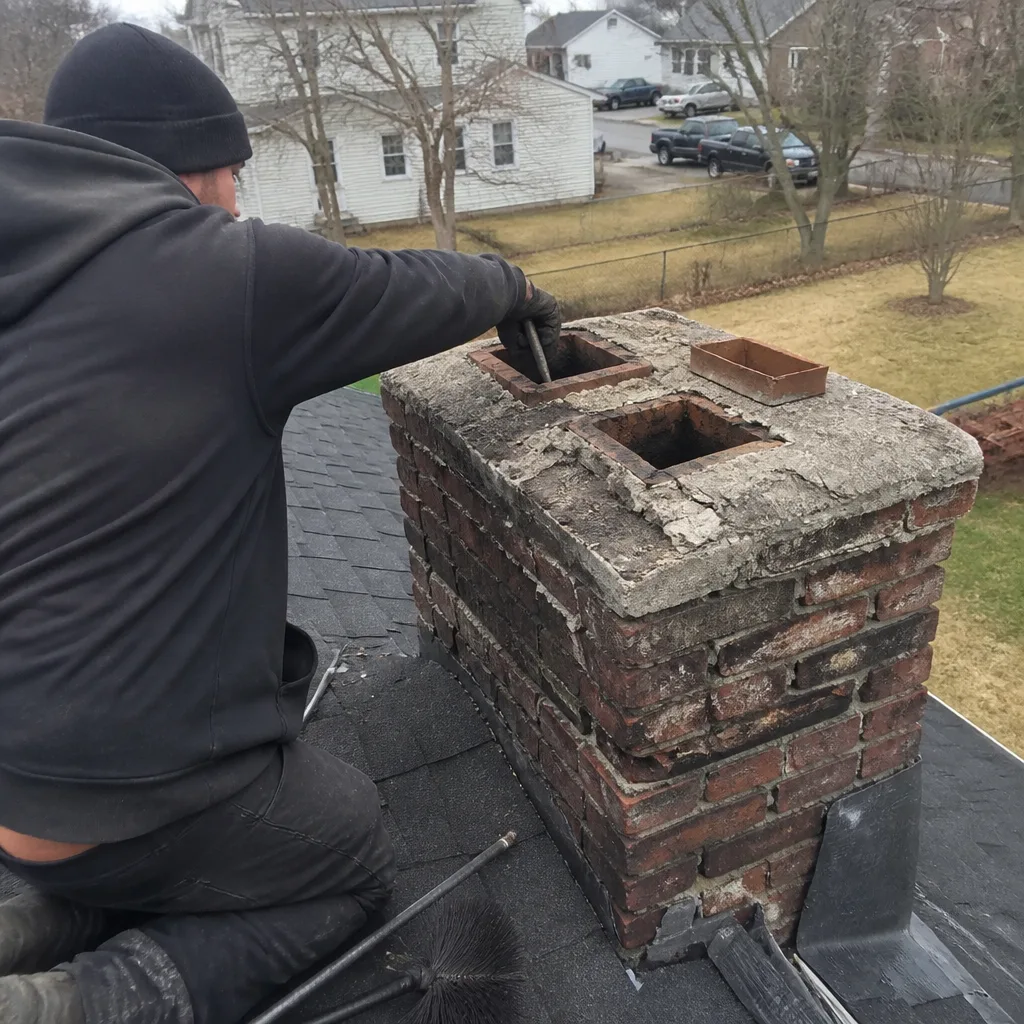 Before
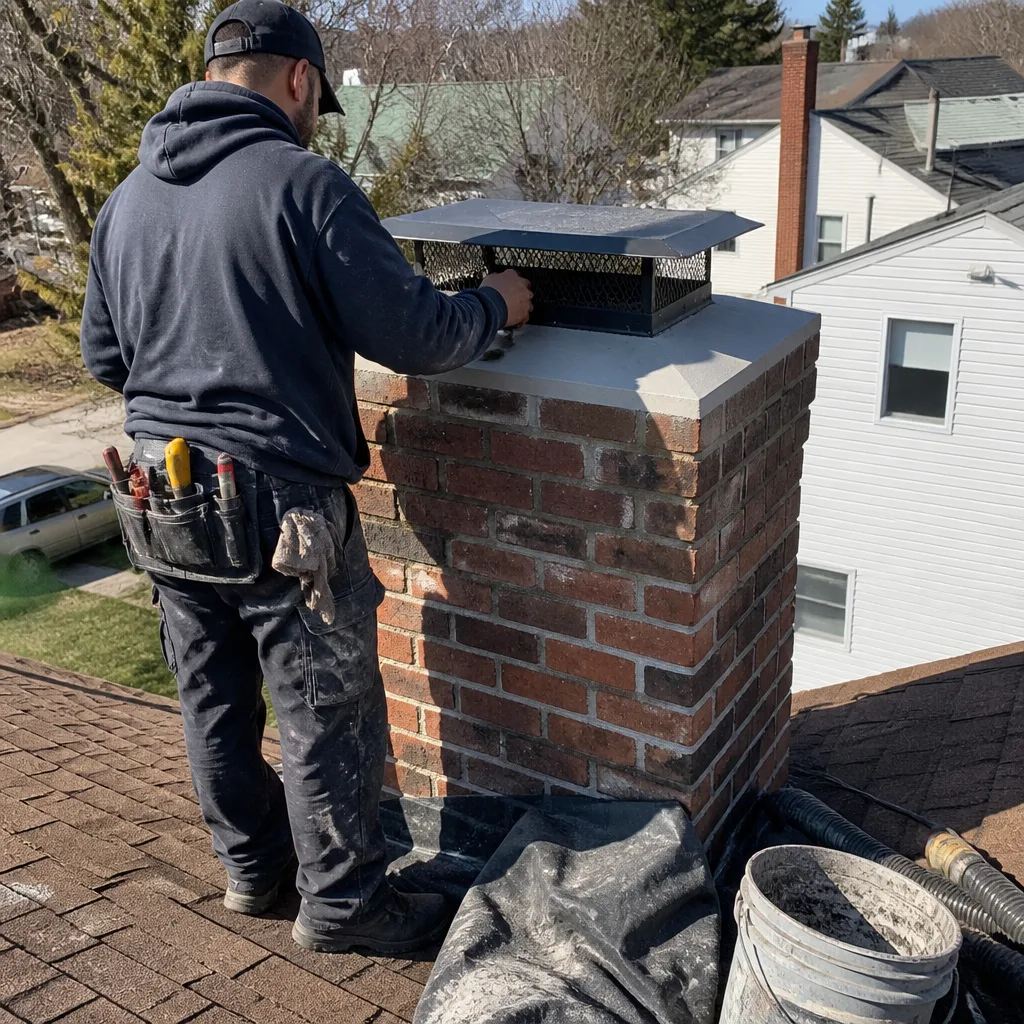 After
After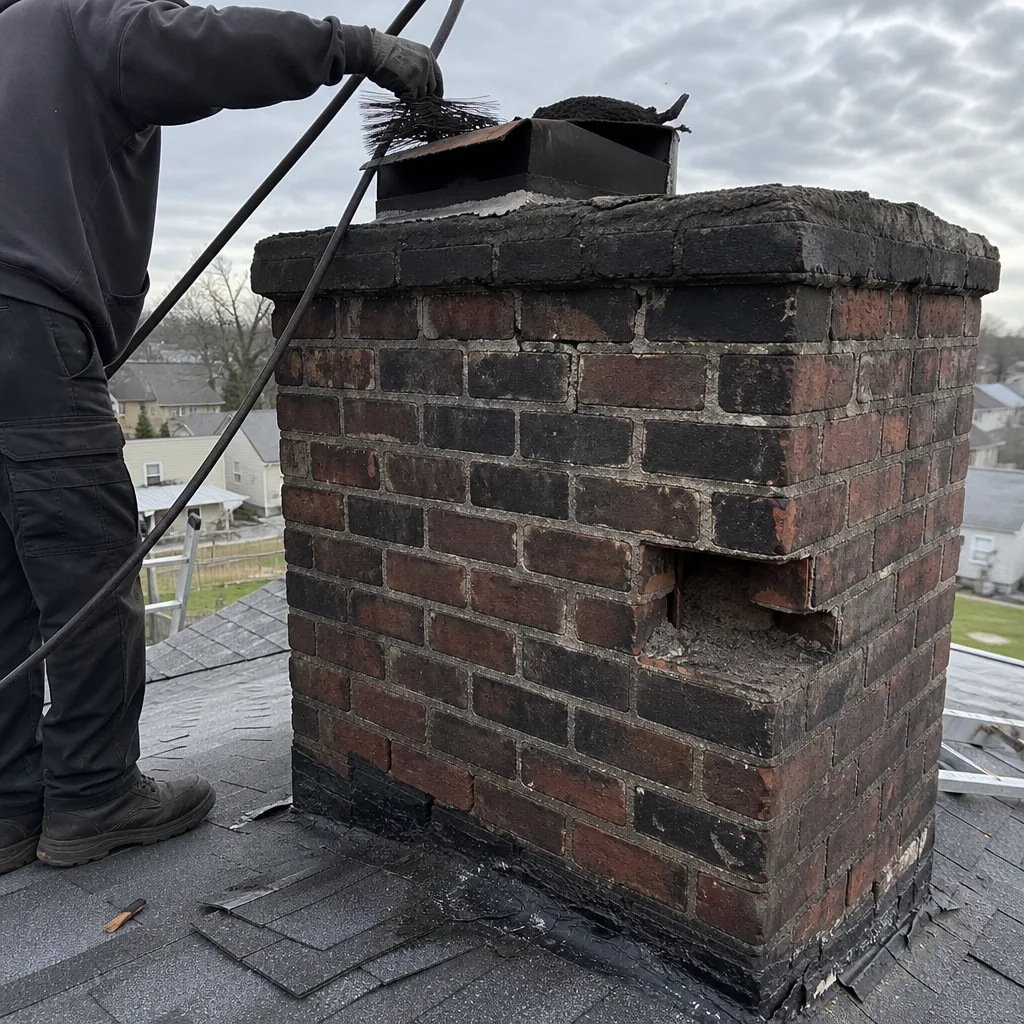 Before
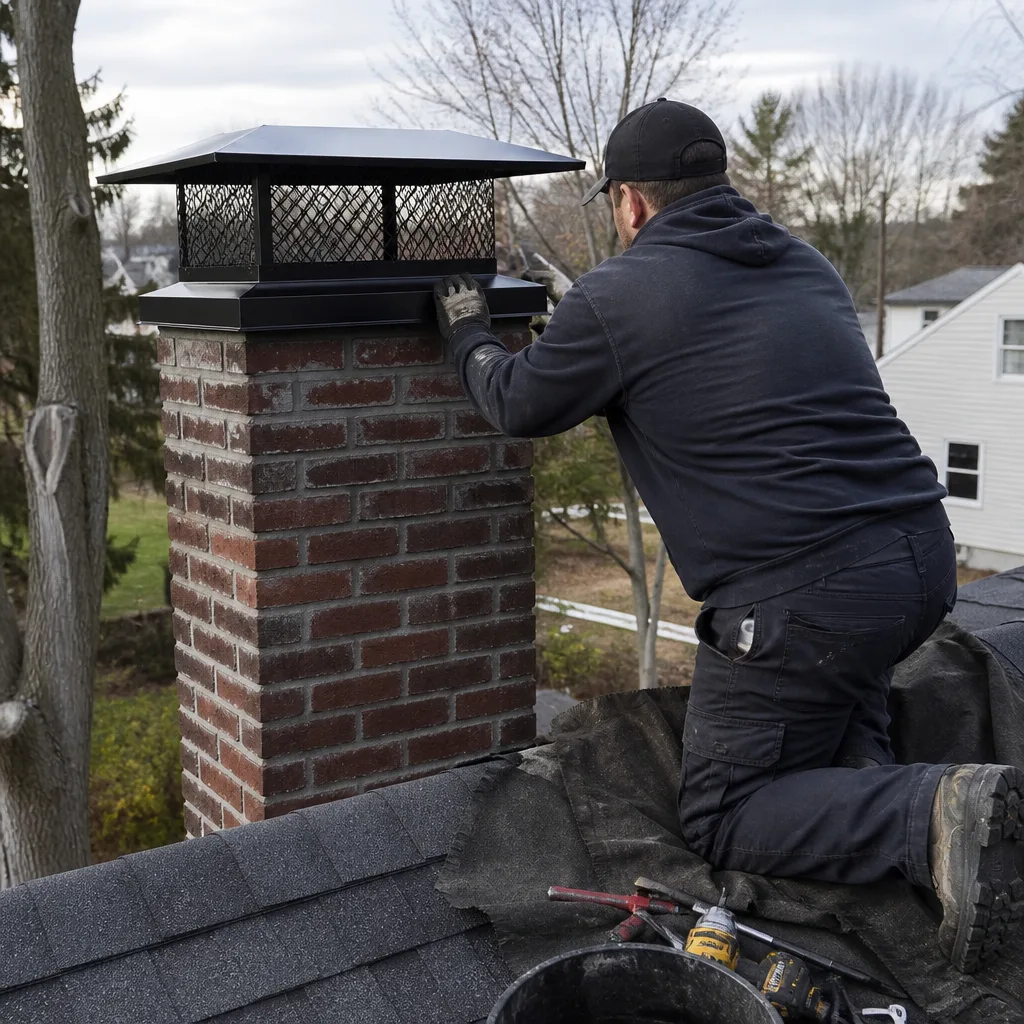 After
After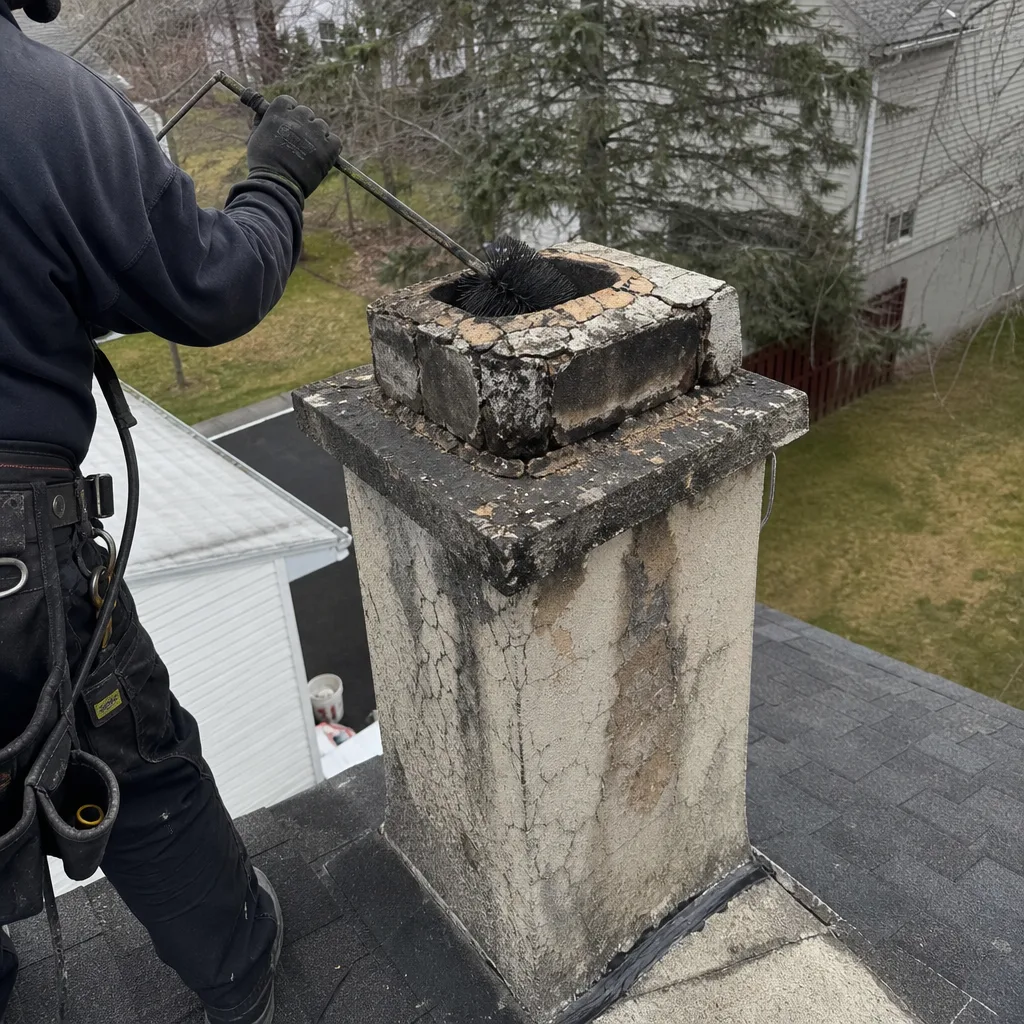 Before
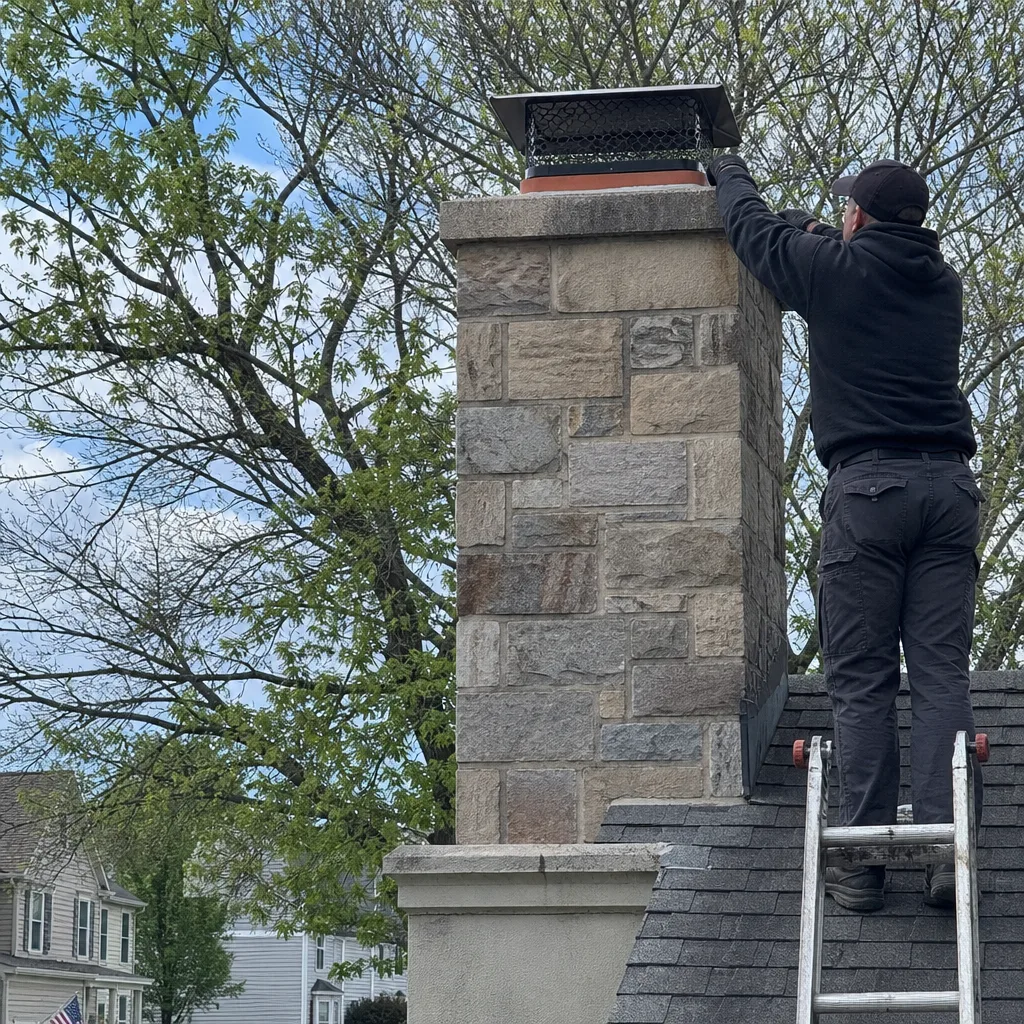 After
AfterChimney Cleaning & Sweep Maintenance Checklist for Trenton Homeowners
Most Trenton homeowners schedule a chimney sweep the way they schedule an oil change: show up, hand over the keys, wait for the bill. That’s a mistake. The three things homeowners forget to mention - a sharp odor after rain, a damper that needs two hands to open, a brown stain spreading on the ceiling near the flue - are often the three things that turn a routine sweep into a repair that saves the house. In our 42 years serving Mercer County, we’ve seen too many $200 maintenance calls become $3,000 rebuilds because nobody asked the right questions at the right time. This guide gives you a room-by-room pre-appointment checklist so you arrive informed, not passive.
Quick Answer
Trenton homeowners should inspect their firebox, damper, exterior crown, and roofline before every sweep appointment, noting odors, smoke rollback, and visible damage in a running maintenance log. A proper Chimney Cleaning & Sweep in Trenton includes debris removal, flue evaluation, and a Level-2 camera inspection with photo documentation - schedule annually for wood-burning systems and biennially for gas inserts, with additional checks after Trenton’s freeze-thaw cycles and humid summers.
Table of Contents
- The Three Things Homeowners Forget to Mention
- Room-by-Room Pre-Appointment Checklist
- Observations Only a Homeowner Can Report
- Trenton Seasonal Checkpoints
- How to Document Your Chimney’s History
- What You Can Monitor vs. What Requires a Certified Sweep
- What a Professional Sweep Actually Includes
- Common Mistakes to Avoid
- When to Call a Professional
- Frequently Asked Questions
The Three Things Homeowners Forget to Mention
The appointment starts with a question: “Any problems?” Most homeowners say no. Then we climb the roof and find a cracked crown that’s been leaking for two seasons, or we drop the camera and see glazed creosote that explains the bedroom smell every October.
Here are the three signals that change the scope of a sweep, and why they matter.
1. The Odor That Arrives With Weather
A sharp, acrid smell after rain or during humid August days in Trenton usually means moisture has entered the flue and activated accumulated creosote. This isn’t a housekeeping issue. It’s early-stage flue deterioration. In the Chimney Repair in Trenton work we do, we regularly find that odor reports from Hamilton Township and Lawrenceville homes correlate with spalling brick and compromised mortar joints that started as “just a smell.” Tell your sweep when the odor started, what weather triggers it, and which room you notice it in.
2. The Damper That Doesn’t Travel
A damper should open fully with moderate pressure and seat cleanly when closed. If you’re using two hands, or if it sticks at three-quarters open, that’s not age. That’s distortion from heat cycling, creosote buildup on the throat, or frame rust. A stuck damper in a Trenton rowhouse or a Broad Street Victorian often means the firebox has been running inefficiently for years, depositing creosote higher in the flue than a standard brush will reach. Mention this before the sweep starts, not after.
3. The Brown Stain Near the Flue
Any discoloration on the ceiling or wall near the chimney chase is water intrusion. Period. It might be the crown, the flashing, or the chimney shoulder where brick meets siding in a Trenton duplex. What it is not: “probably nothing.” We’ve replaced ceilings in Mill Hill and Greenwood Avenue homes where a quarter-sized stain became a collapsed plaster section because nobody mentioned it during the sweep appointment.
Room-by-Room Pre-Appointment Checklist
Walk your house the day before your sweep. Bring a flashlight, a notepad, and your phone for photos. Here’s what to check.
The Firebox (Living Room, Basement, or Kitchen)
- Check the refractory panels for cracks wider than a dime or gaps at the seams. Hairline cracks are normal; anything you can fit a credit card edge into is not.
- Look at the firebrick for spalling (surface flaking) or mortar loss. Tap gently with a screwdriver handle; a hollow sound means the bond behind the brick is failing.
- Note the ash bed depth if you burn wood. More than two inches of ash insulates the firebox floor and causes uneven heat distribution.
- Photograph any rust on the grate, the andirons, or the firebox floor. Rust means moisture, and moisture in a firebox always has a source above.
The Damper Assembly
- Operate the damper fully - open, closed, and any intermediate position. Note sticking points.
- Look up the throat with a flashlight while the damper is open. You should see straight flue walls. Bulging, narrowing, or irregular shadows mean buildup or damage.
- Check the damper seal when closed. Daylight visible around the edges means heated air escapes all winter.
The Exterior: Ground to Roof
- Walk the perimeter. Look for brick spalling, mortar erosion, or white efflorescence (salt deposits) that signals water migration through the masonry.
- Examine the chimney shoulder where brick meets siding or roof. Gaps here are common in Trenton’s pre-war housing stock and are rarely caught from inside.
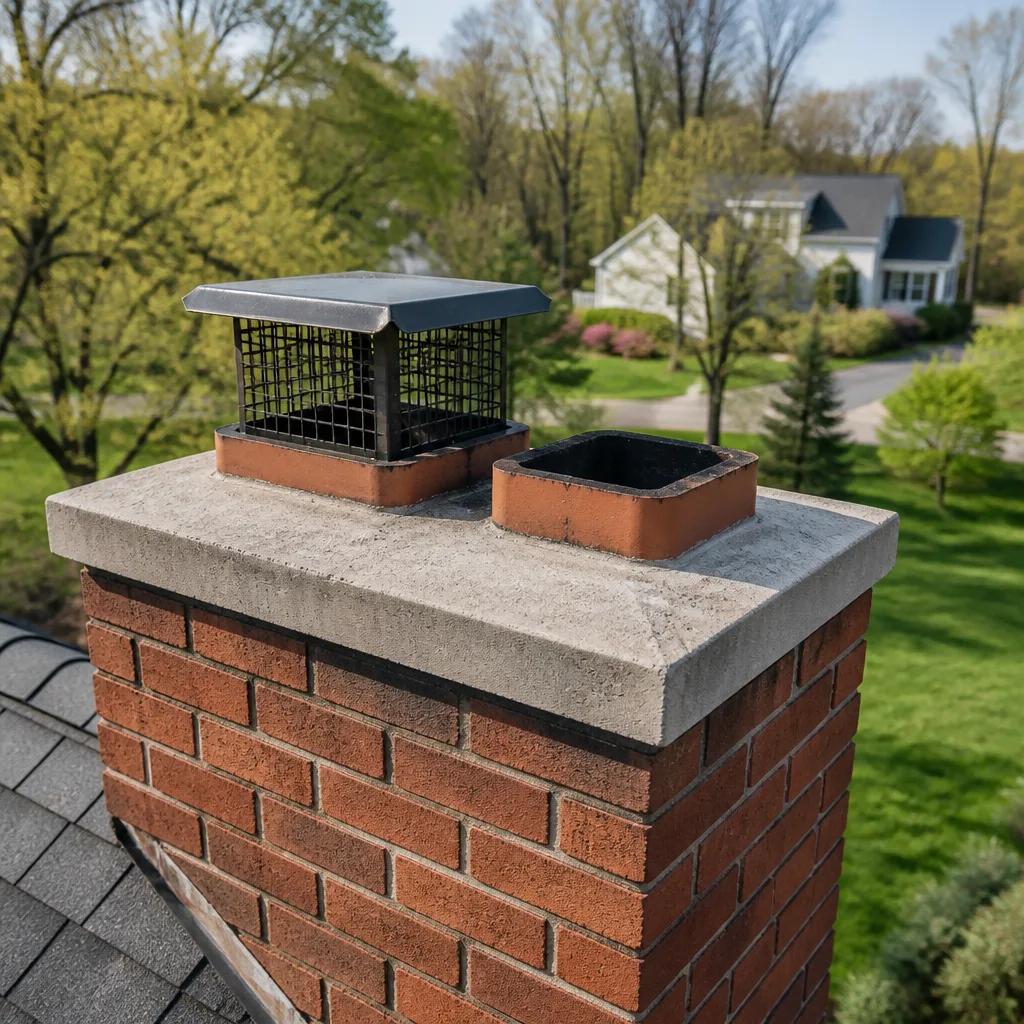
- Check the crown from the ground with binoculars. A proper crown overhangs the brick by at least two inches and has no visible cracks.
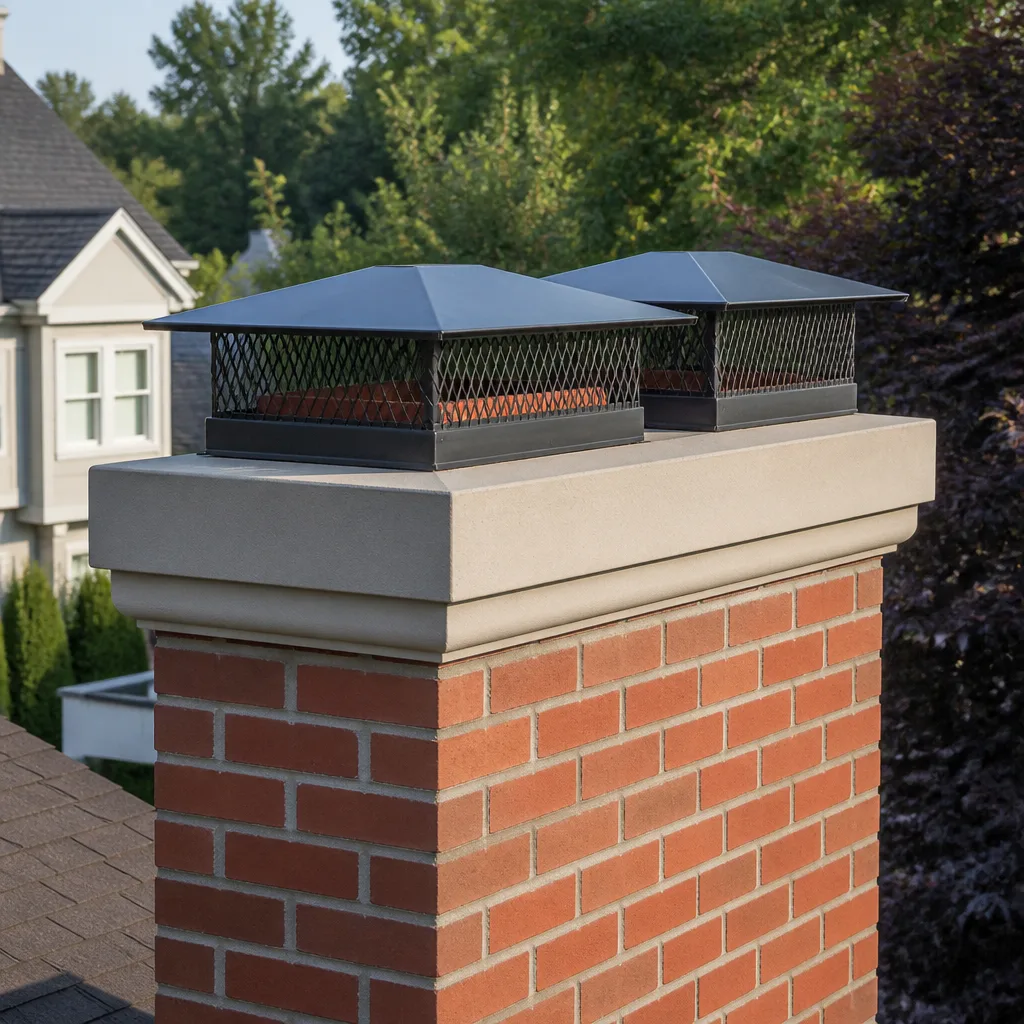
- Note the cap condition. Mesh should be intact, not rusted through. The cap should sit level. A tilted cap often means the flue tile beneath has shifted.
The Attic (If Accessible)
This is the most skipped inspection point, and the most valuable. Look for:
- Water stains on the chimney chase or surrounding framing
- Daylight visible around the chimney where it passes through the roof
- Insulation displacement or compression near the flue
- Any sign of animal entry: nesting material, droppings, or gnaw marks
In Trenton’s older homes, particularly in the Chambersburg and Villa Park neighborhoods, we’ve found attic framing damage from long-term slow leaks that the homeowner never suspected because the ceiling below looked fine.
Observations Only a Homeowner Can Report
A sweep visits for two hours on one day. You live with your chimney through four seasons. Some data is impossible to reconstruct in a single appointment.
Seasonal Odor Patterns
Does the smell intensify in spring, when Trenton’s humidity climbs? Does it arrive with the first furnace cycle in October? Does it disappear when the damper is closed? These patterns tell us whether the issue is flue moisture, negative pressure from your HVAC system, or downdrafting from a nearby tree or building. We can’t smell your house in February from a June appointment.
Smoke Rollback Incidents
Smoke entering the room - even briefly, even once - is a serious event. Note the date, the weather (wind direction and speed matter enormously in Trenton’s flat river-valley terrain), what was burning, and whether the damper was fully open. A single rollback during a northeast storm suggests a different diagnosis than occasional puffing on calm days.
Sounds During Wind
Howling, whistling, or rhythmic tapping in the flue during wind usually means cap damage, loose flashing, or a partially detached liner. These sounds rarely occur during a calm appointment day. Record them on your phone if possible.
Performance Changes
Has the draft weakened over seasons? Does the fire require more tending than it used to? Does kindling ignite more slowly? These gradual changes indicate flue narrowing from creosote glaze, liner deterioration, or house pressure changes from new windows, doors, or HVAC equipment.
Trenton Seasonal Checkpoints
Trenton’s climate puts specific stresses on chimney systems. Mark your calendar for these inspections.
After the First Hard Freeze (Usually Late November)
Freeze-thaw cycles destroy masonry. Water enters micro-cracks, expands, and widens them. After the first sustained freeze in the Trenton area:
- Walk the exterior and look for new mortar loss or fresh spalling
- Check the attic for any new stains
- Operate the damper; cold temperatures can cause binding in poorly maintained assemblies
We see the highest volume of crown and mortar repair calls in early December from homeowners who skipped this check.
After Spring Thaw (March-April)
Snow load and melt patterns reveal flashing problems. Check:
- Interior ceiling stains near the chimney
- Exterior staining or efflorescence that wasn’t visible in fall
- Firebox floor for rust or standing water (indicates a serious crown or cap failure)
The spring appointment is also when we recommend scheduling your annual sweep if you burn wood. Beat the fall rush, and you’ll have time for any needed Chimney Repair in Trenton before the next burning season.
After Summer Humidity (August-September)
Trenton’s August humidity activates creosote odors and accelerates rust on metal components. This is the ideal time for:
- A damper lubrication check
- Cap and crown evaluation before fall rains
- Fireplace Services in Trenton
scheduling for gas insert maintenance before heating season demand peaks
How to Document Your Chimney’s History
A running maintenance log follows the house, not the owner. It matters to buyers, insurance adjusters, and future sweeps who need to know what’s been done and when. Create a single-page document that lives in your firebox or with your home files, and browse more guides & resources on our site for additional maintenance tips.
The Log Format
| Date | Service Performed | Provider | Findings | Recommended Follow-Up |
|---|---|---|---|---|
| 11/15/2023 | Level-2 inspection & sweep | Hearthstone Chimney Co. | 1/4″ creosote buildup, crown hairline crack | Re-crown in 2 seasons |
| 3/10/2024 | Cap replacement | Hearthstone Chimney Co. | Previous cap rusted through, replaced with Gelco stainless | Annual inspection |
Include photos of the firebox, damper, crown, and cap with each entry. Date them. Store digital copies in cloud backup. When you sell, this documentation demonstrates due diligence. When you file an insurance claim, it establishes maintenance history. When a new sweep arrives, they know what they’re working with.
We’ve been called to homes in Ewing and Hopewell where the previous owner “had it swept every year” but left no records. We start from zero, and so does your wallet. A log prevents redundant inspections and catches pattern deterioration that single visits miss.
What You Can Monitor vs. What Requires a Certified Sweep
Some maintenance is homeowner territory. Some is not. The line is safety, not skill.
Homeowner Monitoring (Safe to Observe, Report, and Document)
- Cap condition: rust, tilt, mesh integrity, animal entry signs
- Crown visibility: cracks, overhang integrity, drainage slope
- Damper travel: sticking, incomplete closure, seal gaps
- Firebox panel and brick condition: cracks, spalling, mortar loss
- Exterior masonry: efflorescence, spalling, mortar erosion
- Interior stains: ceiling discoloration, wall moisture, odor patterns
Certified Sweep Assessment Required (Do Not Attempt)
- Flue interior evaluation: Creosote glazing, liner cracks, and tile displacement require a Level-2 camera inspection. The flue is a confined space with toxic residue and fall risk.
- Crown repair or replacement: Working at roof height with proper crown-forming materials and curing conditions is not DIY work.
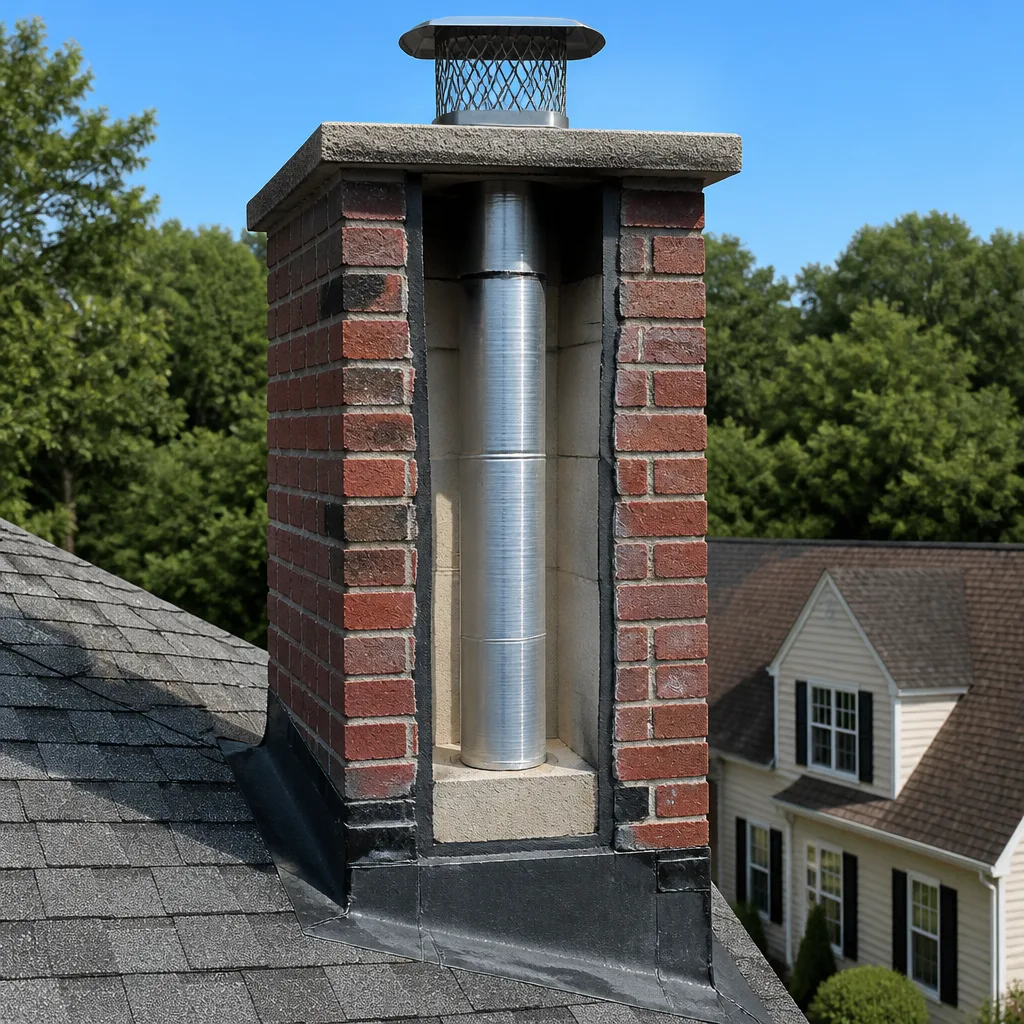
- Liner installation or repair: This involves combustion engineering, proper sizing, and code compliance. We use DuraFlex and HeatShield materials installed to manufacturer specification.
- Structural masonry repair: Tuckpointing above roofline, brick replacement, and rebuilds require scaffolding, mortar matching, and load-bearing knowledge.
- Gas line and insert work: Any fuel connection modification requires licensed qualification.
The rule is simple: if it requires a ladder above single-story height, a tool that penetrates masonry, or any disassembly of the flue system, call a professional. We’ve treated injuries from homeowners who tried to “just knock off some loose brick” or “run a brush up there myself.” The brush detached. The retrieval cost more than the sweep would have.
What a Professional Sweep Actually Includes
Not all sweeps are equal. A proper appointment from Chimney Cleaning & Sweep in Trenton should include:
- Pre-inspection interview: We ask about odors, smoke incidents, damper function, and your burning habits before we touch equipment.
- Interior protection: Drop cloths, HEPA vacuum setup, and furniture coverage.
- Firebox and damper cleaning: Removal of ash, debris, and accessible creosote; damper mechanism cleaning and function test.
- Flue sweeping: Rotary or manual brushing appropriate to your flue material and creosote stage, with debris containment.
- Level-2 camera inspection: Full flue visualization with photo documentation. You see what we see. No verdict without evidence.
- Exterior evaluation: Crown, cap, flashing, and visible masonry from roof or ladder.
- Written report: Photos, findings, recommendations prioritized by urgency, and plain-English explanation.
Our Hearthstone Chimney Co. home appointments end with a single-page summary, not a stack of upsell brochures. The 90-Day Done Right Promise applies to everything we recommend and perform: in writing, no arguing, if it’s not right we come back.
Common Mistakes to Avoid
- Assuming gas fireplaces need no maintenance. Gas inserts accumulate debris, suffer liner deterioration, and develop draft issues. They require biennial inspection minimum, annual if heavily used.
- Waiting for visible damage. By the time you see a ceiling stain or exterior spalling, water has been migrating for multiple seasons. The cheap fix was last year.
- Hiring based on coupon price alone. A $79 sweep that skips the camera, rushes the interview, and leaves no documentation is not a deal. It’s a missed diagnosis.
- Ignoring neighborhood-specific risks. Trenton’s older housing stock, particularly in Mill Hill and Chambersburg, has unlined chimneys, altered flues from decades of retrofit, and proximity to mature trees that deposit debris and restrict airflow. Generic sweep protocols miss these.
- Failing to mention recent home improvements. New windows, doors, roofing, or HVAC equipment change house pressure and draft dynamics. Always tell your sweep what changed.
- Skipping the attic check. The most expensive chimney damage we’ve seen in Lawrenceville and Ewing started in attics where slow leaks rotted framing for years.
- Not keeping records. Without documentation, every new sweep starts blind, and you pay for redundant baseline inspections.
When to Call a Professional
Call when you smell odor you can’t source, see any stain near the flue, experience smoke rollback, hear wind-driven sounds, or find firebox damage beyond hairline cracks. Call before burning season if your last sweep was over a year ago for wood, two years for gas. Call after any chimney fire event, even “small” ones - thermal shock damages liners in ways visible only by camera.
Hearthstone Chimney Co. offers free estimates in Trenton. A live person answers every call, 24 hours a day, 7 days a week - not a voicemail, not a callback queue. We’ll schedule a time that works, arrive when we say, and give you photos you can see with a plain-English verdict. Call (856) 519-0832.
Frequently Asked Questions
A standard chimney cleaning and inspection in Trenton typically ranges from $200 to $350 for a Level-1 service, and $300 to $500 for a Level-2 inspection with camera documentation. Factors that affect price include flue accessibility, creosote stage, number of appliances served, and whether repairs are identified during the visit. Hearthstone Chimney Co. provides no-hassle upfront pricing - the number on the estimate is the number on the invoice. Call (856) 519-0832 for an exact quote; estimates are free.
The National Fire Protection Association recommends annual inspection for all chimney systems, with sweeping as needed based on creosote accumulation. For wood-burning fireplaces in regular use, that means annual sweeping. For gas inserts, biennial inspection is standard unless manufacturer specifications require more frequent service. Trenton’s freeze-thaw cycles and humid summers accelerate masonry and metal deterioration, so we recommend not exceeding these intervals. Call (856) 519-0832 to schedule.
You need a new liner when the existing one is damaged, improperly sized, or absent - and only when camera inspection confirms it. Cracked clay tiles, gaps between tile sections, or heavy creosote glazing that can’t be safely removed are definitive indicators. We use HeatShield and DuraFlex materials, and we show you the camera footage before recommending replacement. If a sweep recommends a liner without photo evidence you can see, get a second opinion. Hearthstone Chimney Co. offers free second opinions on any written estimate.
Skipped maintenance leads to creosote accumulation, which increases chimney fire risk; moisture intrusion, which destroys masonry from within; and liner deterioration, which can allow combustion gases including carbon monoxide to enter living spaces. In Trenton’s older housing stock, we’ve seen unlined or damaged flues contribute to elevated CO levels that homeowners detected only because of detector alarms. The cost of prevention is always lower than the cost of remediation or tragedy. Call (856) 519-0832 to schedule before burning season.
You can remove ash and debris from the firebox, operate and observe the damper, and monitor exterior conditions from the ground. You cannot safely evaluate the flue interior, work at roof height, or assess liner condition without proper equipment and training. The Chimney Safety Institute of America certifies sweeps for a reason: flue evaluation involves confined space hazards, toxic residue exposure, and fall risk. We document every inspection with photos and a written report; DIY cleaning provides no documentation and may miss critical deterioration.
The Seasonal Tune-Up includes a Level-1 inspection, firebox and damper cleaning, basic flue brushing, and operational testing of all accessible components. It’s designed for well-maintained systems between comprehensive Level-2 inspections. If we find conditions requiring camera evaluation or repair, we’ll explain what we see and provide upfront pricing before proceeding. The $89 applies to standard single-flue systems; complex configurations may require additional assessment. Call (856) 519-0832 to confirm eligibility and schedule.
The Bottom Line
A chimney sweep is not a service you passively receive. The homeowners who get the most value - and avoid the biggest bills - arrive at appointment day with observations, questions, and documentation. Walk your firebox, damper, exterior, and attic before every sweep. Note odors, sounds, and performance changes that no inspector can reconstruct. Keep a running log that follows your house. Know what you can monitor and what requires certified assessment. And schedule maintenance by the calendar, not by the crisis. In Trenton’s climate, with its freeze-thaw cycles and humid summers, prevention isn’t just cheaper. It’s the only way to keep a 42-year-old chimney system serving for 42 more.
Written by Russell Haines, Owner at Hearthstone Chimney Co., serving Trenton since 2014.